Why the elite clubs of 1920s Ghana gave birth to a national musical icon
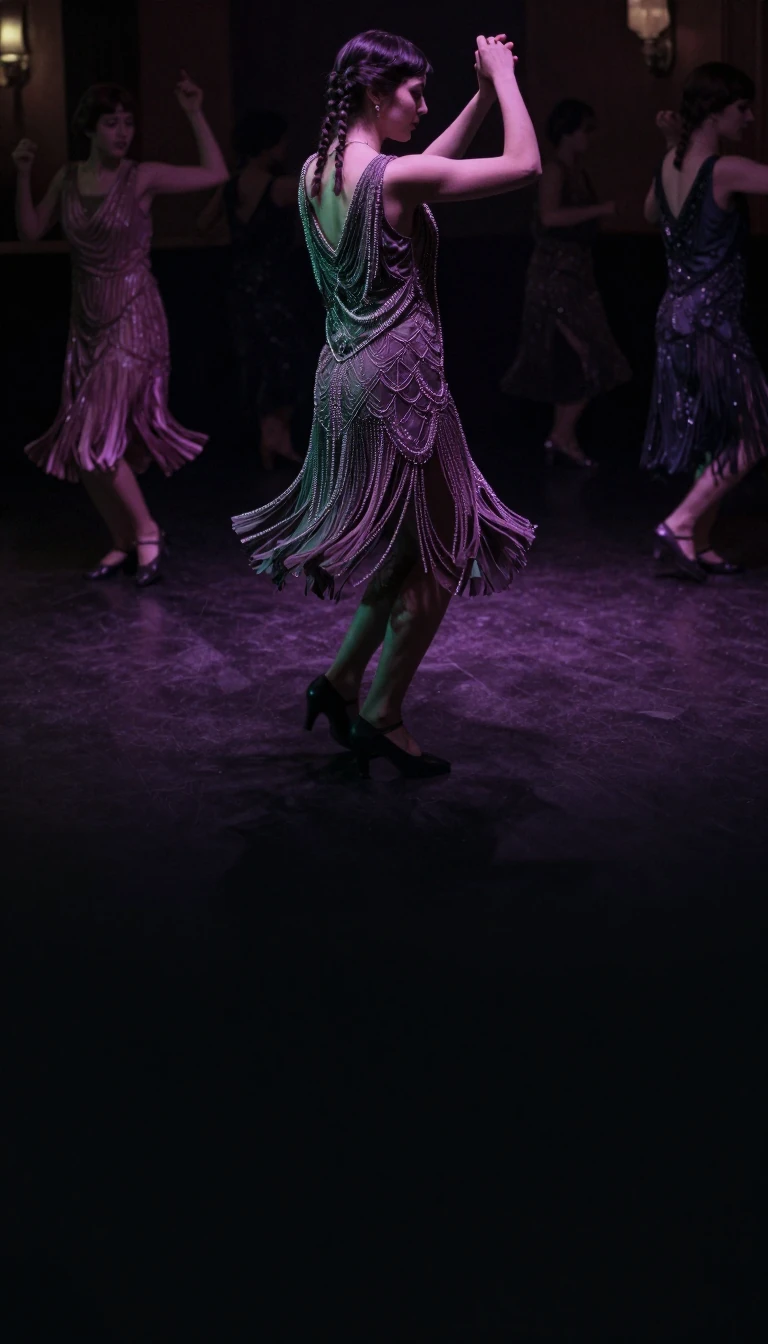
In short: Highlife emerged in the 1920s as a derisive label for the exclusive, high-priced dance music enjoyed by the Ghanaian elite. Today, it is a celebrated cultural pillar, having evolved from colonial-era ballroom orchestras into a global sound that blends traditional African rhythms with jazz, funk, and modern electronic synthesis.
The term 'highlife' originated in the 1920s as a catchphrase for the music played at exclusive, high-entrance-fee clubs in coastal Ghana. Patrons of these venues, such as the Jazz Kings and the Accra Orchestra, were required to wear formal evening dress, including top hats. Those unable to afford the entry price—roughly seven shillings and sixpence—coined the name to describe the 'high life' enjoyed by the wealthy couples inside.
Musically, the genre is a sophisticated fusion of traditional African structures and Western instrumentation. Early pioneers like Jacob Asare, who recorded the foundational 'Yaa Amponsah' in 1928, blended local rhythms with foreign influences like the foxtrot and calypso. By the 1940s, the genre split into two streams: dance band highlife, which thrived in urban settings under leaders like E.T. Mensah, and guitar band highlife, which utilized a distinctive two-finger picking style inspired by Kru sailors.
As Ghanaians migrated abroad due to economic and political instability in the 1970s and 1980s, the music evolved further. In Germany, particularly Hamburg, migrants developed 'burger highlife,' a secular, synth-heavy style that eventually transitioned into fully electronic production. Meanwhile, gospel highlife emerged as a dominant force by blurring the lines between pop culture and Charismatic Christianity, providing essential social infrastructure for the diaspora. In 2025, UNESCO recognized highlife as intangible cultural heritage, cementing its status as a vital link between Ghana's colonial past and its global future.
The genre's influence also reached the United States, where musicians like Guy Warren sought to reconnect African-American artists with their musical roots. This cross-pollination saw jazz luminaries like Randy Weston and Pharoah Sanders engaging with highlife rhythms, proving that the genre's syncopated 4/4 and 12/8 polyrhythms possess a universal appeal that transcends its humble, coastal origins.
Opens the Intellect+ feed with this card first. Swipe up for the next one.
Sources
- Summary by Intellect · source: Highlife
To cite this card, link to https://intellectplus.co.uk/app/music-highlife.
How we source, check and correct cards: Editorial standards.
General information, not professional advice. Spotted an error? Flag the card or see corrections and complaints.
Intellect Plus is a visual educational discovery platform for exploring fascinating facts and ideas. Brain Food, Not Brain Rot. What is Intellect Plus?
Related
More in Music · More in Music · Latest · A–Z · All topics
