The rowdy, misunderstood history of the American honky-tonk
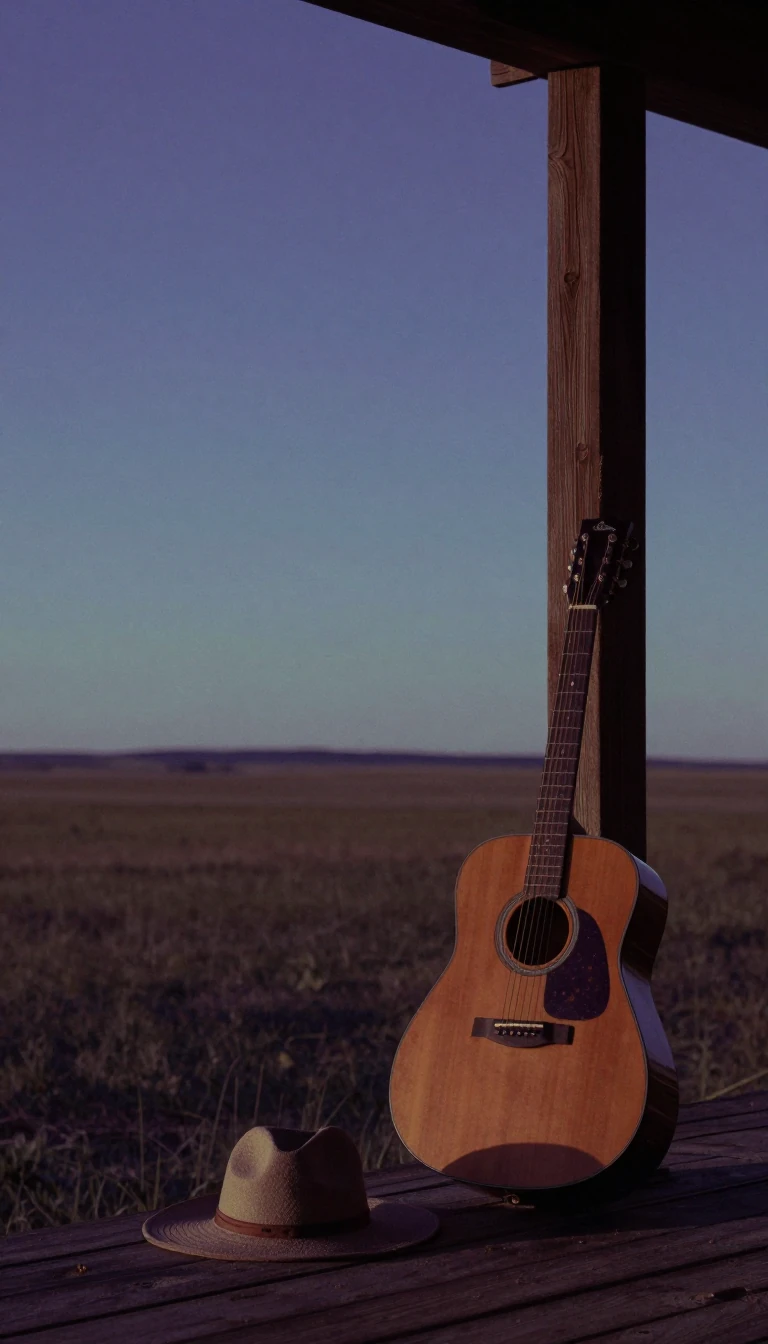
In short: Born in the rough-and-tumble frontier of the Old West, the honky-tonk evolved from a bawdy variety theater into the beating heart of country music. Whether defined by out-of-tune pianos or the electric twang of a steel guitar, these establishments shaped the sound of working-class life for over a century.
The origins of the term honky-tonk remain shrouded in mystery, with the earliest print reference appearing in an 1874 Peoria Journal report on police raids. Initially, the name described rowdy variety theaters across Texas, Oklahoma, and the Indian Territories. These venues were notorious for their rough atmosphere, featuring gambling, alcohol, and entertainment of questionable quality. While some theories suggest the name is onomatopoeic, mimicking the boisterous noise of the crowds, others point to the Tonk Bros. Manufacturing Company, though their pianos were not produced until 1889, after the term was already in circulation.
Musically, the genre began as a piano style related to ragtime, adapted for poorly maintained instruments with nonfunctioning keys. This rhythmic, percussive sound eventually influenced boogie-woogie. By the mid-20th century, the honky-tonk sound had transformed into a staple of country music, characterized by a crisp backbeat, steel guitars, and fiddles. Artists like Ernest Tubb helped define this era, famously becoming the first to play electric guitar on the Grand Ole Opry. The lyrics of these songs frequently explored the harsh realities of working-class existence, including themes of loneliness, adultery, and lost love.
Regional variations flourished as the genre spread. In California, the Bakersfield Sound emerged in the 1960s as a gritty, stripped-down reaction to the more commercial Nashville Sound. Meanwhile, iconic venues like Tootsie’s in Nashville and the massive Billy Bob’s Texas in Fort Worth became cultural landmarks, hosting legends from Willie Nelson to George Strait. Despite the rise of rockabilly and slicker pop-country, the honky-tonk remains a vital symbol of American musical heritage, bridging the gap between the frontier dance halls of the 1870s and the modern tourist-friendly clubs of today.
Opens the Intellect+ feed with this card first. Swipe up for the next one.
Sources
- Summary by Intellect · source: Honky-tonk
- Also: Critical Studies in Media Communication — Hick-Hop Hooray? “Honky Tonk Badonkadonk,” Musical Genre, and the Misrecognitions of Hybridity · CC0 (metadata)
To cite this card, link to https://intellectplus.co.uk/app/music-honky-tonk.
How we source, check and correct cards: Editorial standards.
General information, not professional advice. Spotted an error? Flag the card or see corrections and complaints.
Intellect Plus is a visual educational discovery platform for exploring fascinating facts and ideas. Brain Food, Not Brain Rot. What is Intellect Plus?
Related
More in UK & Ireland: music · More in Music · Latest · A–Z · All topics
