How a 1920s Radio Barn Dance Became the Heartbeat of American Country Music
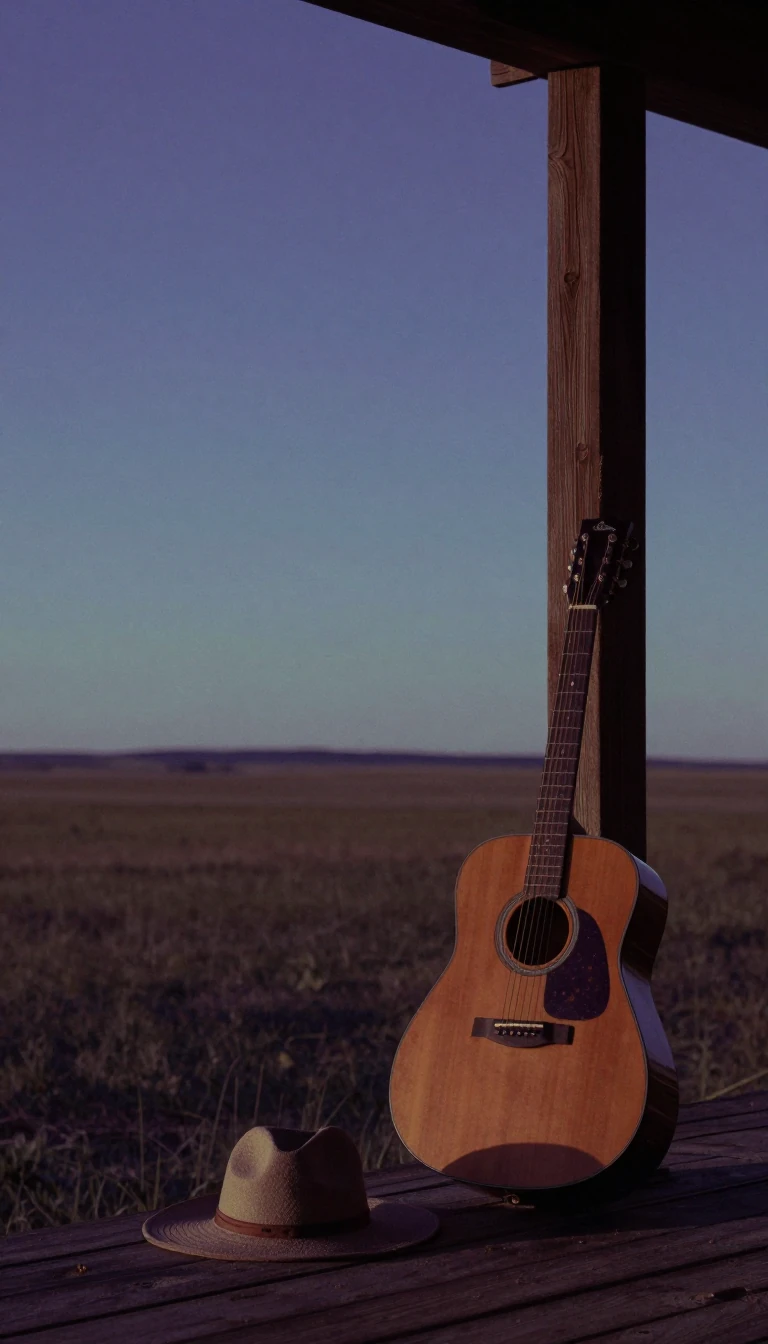
In short: Founded in 1925 as a simple radio broadcast, the Grand Ole Opry evolved into the ultimate stage for country music. From its humble beginnings in a Nashville insurance studio to its current status as a global cultural institution, it remains the longest-running radio show in the history of the United States.
The Grand Ole Opry began on November 28, 1925, when George D. Hay, a 29-year-old radio pioneer, launched the WSM Barn Dance. Featuring 77-year-old fiddler Uncle Jimmy Thompson, the program was designed to showcase traditional music. By 1927, it adopted its iconic name after Hay introduced a segment by contrasting it with the preceding classical opera broadcast. The show’s influence grew rapidly, moving through various Nashville venues, including the Ryman Auditorium in 1943, before settling into its purpose-built home in 1974.
Membership in the Opry is widely considered the highest honor in country music. Throughout its century-long history, only about 225 acts have been inducted, with approximately 75 members active as of 2024. The institution has historically maintained a conservative image, famously clashing with artists like Jerry Lee Lewis and The Byrds over performance standards and dress codes. Despite these tensions, the Opry has proven remarkably resilient, surviving urban decay, the 2010 Nashville floods, and the global disruptions of the COVID-19 pandemic.
Today, the Opry serves as both a live venue and a multimedia powerhouse. While it continues its traditional Saturday night radio broadcasts on WSM, it also reaches millions through digital platforms and television specials. The stage itself carries deep symbolic weight; a six-foot circle of oak, salvaged from the Ryman Auditorium’s original stage, remains inlaid at the center of the current Opry House. This physical connection to the past ensures that every performer, from bluegrass legends to contemporary chart-toppers, stands on the same ground as the pioneers who built the genre.
Opens the Intellect+ feed with this card first. Swipe up for the next one.
Sources
- Summary by Intellect · source: Grand Ole Opry
- Also: Wikidata — Grand Ole Opry · CC0
- Also: Wikidata — Grand Ole Opry House · CC0
To cite this card, link to https://intellectplus.co.uk/app/places-grand-ole-opry.
How we source, check and correct cards: Editorial standards.
General information, not professional advice. Spotted an error? Flag the card or see corrections and complaints.
Intellect Plus is a visual educational discovery platform for exploring fascinating facts and ideas. Brain Food, Not Brain Rot. What is Intellect Plus?
Related
More in Cities · More in Countries & Cities · Latest · A–Z · All topics
