Johannes Brahms turned his youthful struggle in dockside taverns into his most profitable music.
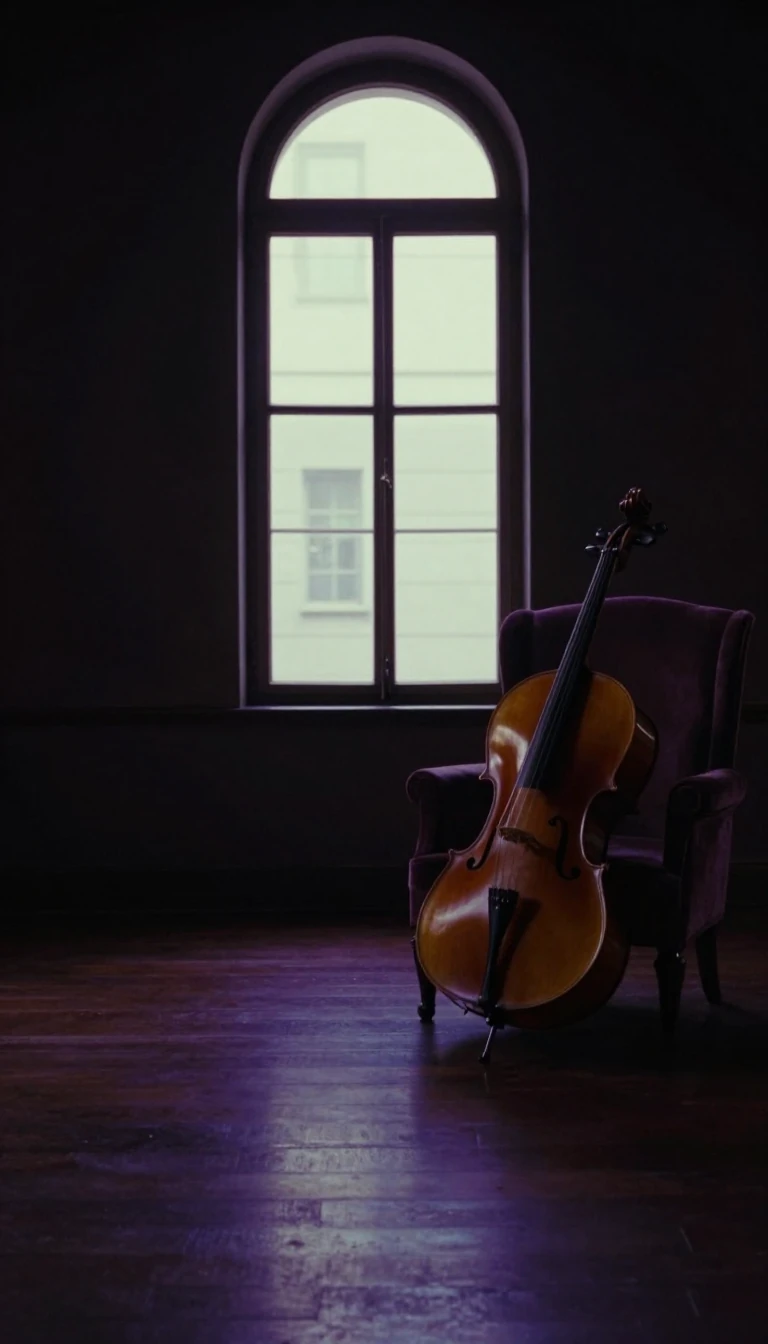
In short: Before he became a titan of the Romantic era, a teenage Brahms played piano in rough Hamburg inns to support his family. This gritty experience introduced him to Roma music, which eventually inspired his 21 Hungarian Dances—a set of works that became his most lucrative and enduringly popular compositions.
The Hungarian Dances, a collection of 21 pieces, emerged from Brahms’s early exposure to the violin playing of Eduard Reményi. Meeting in 1850, the two toured together, and the Hungarian violinist introduced the young German composer to the vibrant, improvisational world of Roma music. This influence remained with Brahms throughout his life, eventually forming the foundation for these dances, which were published in two sets in 1869 and 1880.
While Brahms originally conceived the dances for piano four hands, their immense popularity led to a wide array of arrangements. Brahms himself orchestrated some of the set, but he also relied on colleagues to expand the works for larger ensembles. Notably, Antonín Dvořák orchestrated the final five dances, numbers 17 through 21. This collaborative spirit extended to solo piano arrangements as well, with Brahms handling the first ten and Theodor Kirchner completing the rest.
Though often associated with traditional folk melodies, the dances are a blend of original and borrowed material. Brahms mistakenly believed the theme for his famous fifth dance was a traditional folksong, though it was actually a csárdás by the Hungarian composer Béla Kéler. In fact, only three of the 21 dances—numbers 11, 14, and 16—are entirely original compositions. Despite these origins, the set remains a testament to Brahms's ability to synthesize diverse influences into a cohesive, high-energy style that captivated audiences across Europe.
The legacy of the dances extends far beyond the concert hall. They have been recorded by legendary conductors like Leopold Stokowski and featured in cinema, such as the 1970 film The Twelve Chairs. From their humble beginnings as piano duets to their status as orchestral staples, the Hungarian Dances highlight a lighter, more spirited side of a composer otherwise known for his intense, symphonic rigor and profound inner reserve.
Opens the Intellect+ feed with this card first. Swipe up for the next one.
Sources
- Summary by Intellect · source: Hungarian Dances | Romantic Era, Orchestral, Piano Duets | Britannica
- Also: Hungarian Dances (Brahms)
To cite this card, link to https://intellectplus.co.uk/app/music-hungarian-dances-brahms.
How we source, check and correct cards: Editorial standards.
General information, not professional advice. Spotted an error? Flag the card or see corrections and complaints.
Intellect Plus is a visual educational discovery platform for exploring fascinating facts and ideas. Brain Food, Not Brain Rot. What is Intellect Plus?
Related
More in Music · More in Music · Latest · A–Z · All topics
