The symphony that felt like a beating from two intelligent people
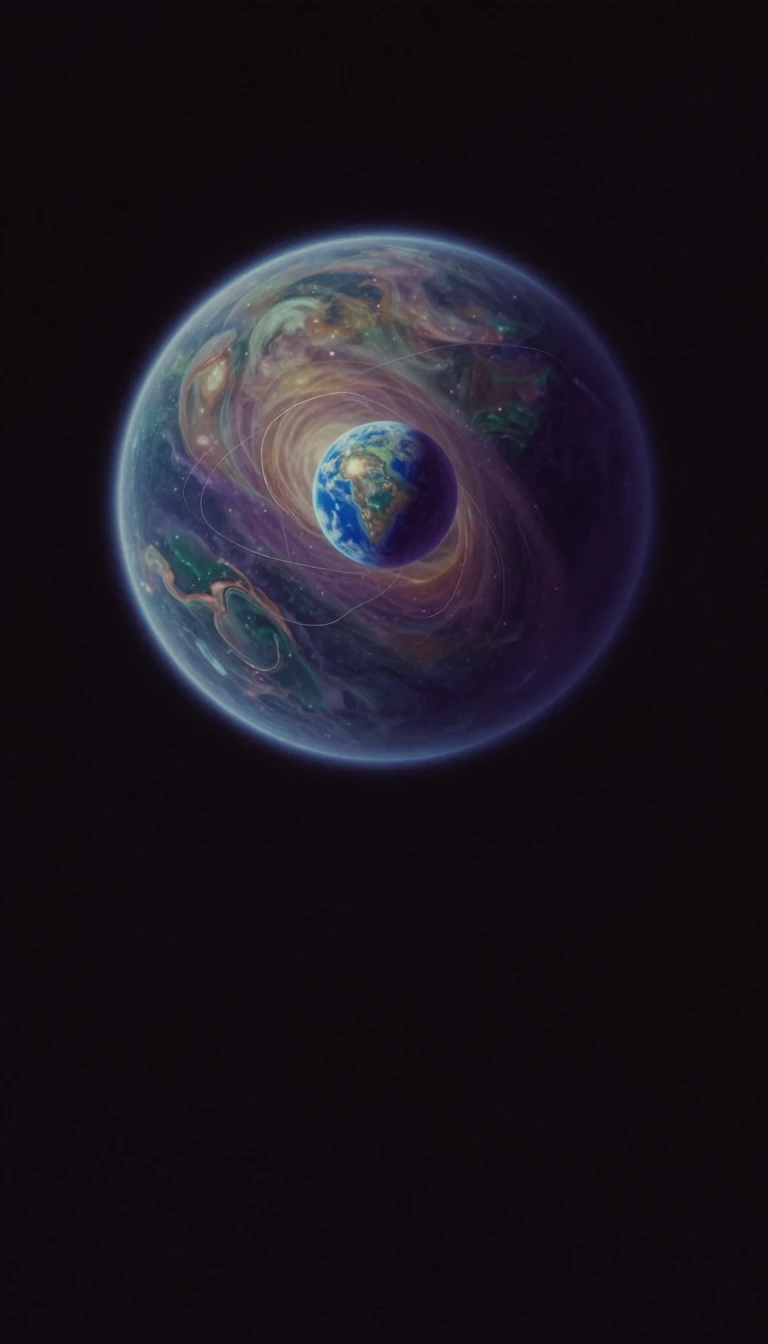
In short: Johannes Brahms' final symphony is a masterpiece of architectural tension and musical irony. It avoids the standard repeats of classical form to create a sense of continuous, organic unfolding. For some critics, it was an intellectual assault; for others, a dark well where the deeper you look, the brighter the stars shine.
Completed in 1885 after Brahms began work in Mürzzuschlag, Symphony No. 4 in E minor stands as his final symphonic statement. It is unique among his four works for ending in a minor key and for its rigorous structural innovations. For example, the first movement eschews the traditional repeat of the exposition—a move musicologist Malcolm MacDonald argues was necessary to maintain the work's 'powerfully organic' forward momentum.
The work is deeply rooted in musical lineage and allusion. The opening theme draws on a chain of descending thirds associated with J.S. Bach’s cantata BWV 140, while the finale utilizes a symphonic passacaglia based on a chaconne theme from another Bach cantata (BWV 150). These aren't just echoes; Brahms weaves them into a complex web where themes from the first movement reappear in counterpoint during the final variations of the fourth.
Brahms also broke his own symphonic conventions here. The third movement is the only one in his cycle to feature scherzo-like characteristics and additional percussion like the triangle. Furthermore, its modified sonata form lacks a traditional development section entirely. These choices reflect a composer balancing late-Romantic expression with a profound respect for historical structures like the passacaglia and the tragedies of Sophocles.
The premiere on October 25, 1885, in Meiningen was met with polarized reactions. Critic Eduard Hanslick famously remarked that hearing the first movement felt like being 'beaten by two incredibly intelligent people.' Yet, he simultaneously praised its depth as a subject for study. Today, it remains a cornerstone of the repertoire, cited by musicologists as one of the greatest orchestral achievements since Beethoven.
Opens the Intellect+ feed with this card first. Swipe up for the next one.
Sources
- Summary by Intellect · source: Symphony No. 4 (Brahms)
To cite this card, link to https://intellectplus.co.uk/app/music-symphony-no-4-brahms.
How we source, check and correct cards: Editorial standards.
General information, not professional advice. Spotted an error? Flag the card or see corrections and complaints.
Intellect Plus is a visual educational discovery platform for exploring fascinating facts and ideas. Brain Food, Not Brain Rot. What is Intellect Plus?
Related
More in Music · More in Music · Latest · A–Z · All topics
