Jean-Philippe Rameau: The Secretive Theorist Who Revolutionized French Opera at Fifty
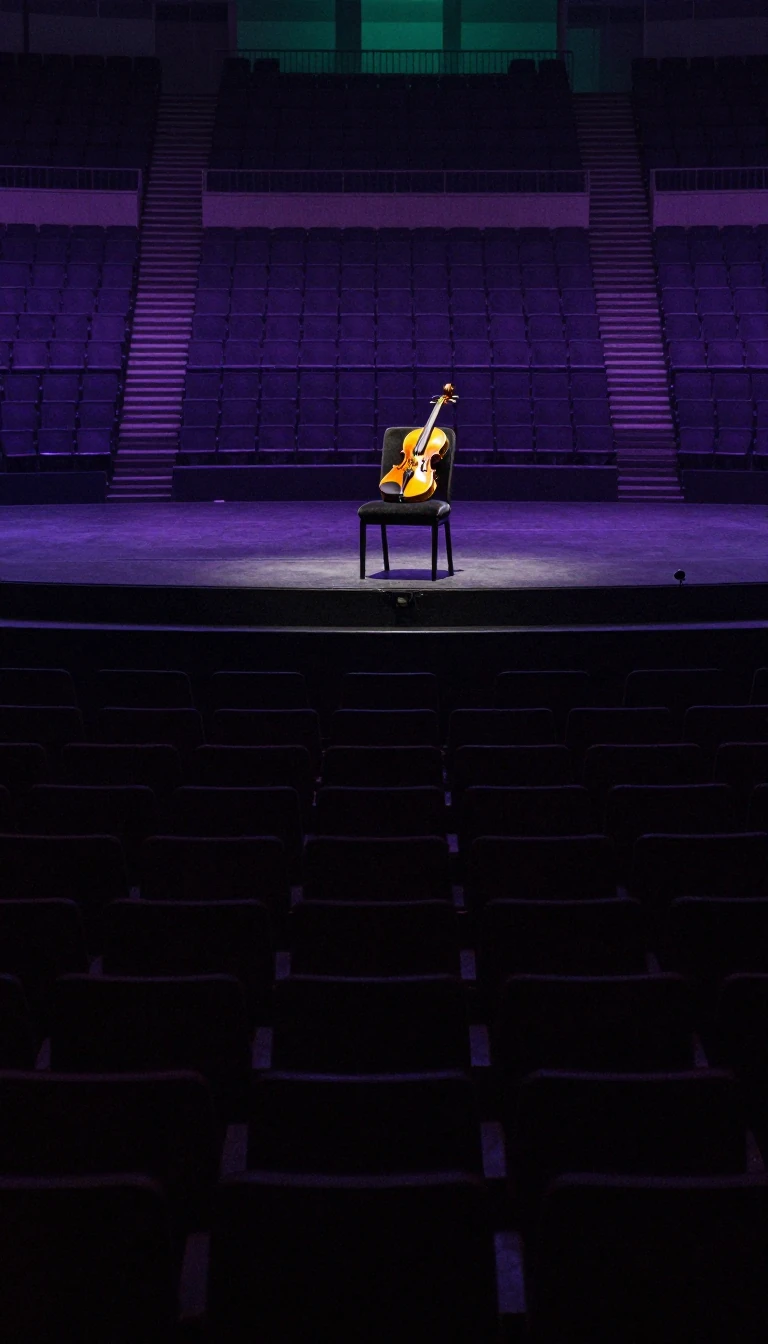
In short: Jean-Philippe Rameau was a late bloomer who spent his first fifty years in obscurity before transforming French music. A brilliant, irritable, and secretive man, he was a master theorist who treated composition like a science, yet his operas remain some of the most vibrant and rhythmically inventive works ever written.
Born in Dijon in 1683, Rameau’s early life remains largely a mystery, even to his own family. He was a difficult student who preferred singing to his studies, eventually abandoning a legal career for music. After years working as a provincial organist and violinist, he moved to Paris, where he gained fame not as a composer, but as a music theorist with his 1722 Treatise on Harmony. He was nearly 50 before he finally turned his attention to the stage, debuting with Hippolyte et Aricie in 1733.
His entry into opera sparked a decades-long conflict. Traditionalists, the Lullyistes, were horrified by his revolutionary harmonic complexity, while later critics, including Jean-Jacques Rousseau, accused him of being an out-of-date establishment figure during the 1750s Querelle des Bouffons. Rameau, a man of intense focus whom biographer Philippe Beaussant called a 'monomaniac,' was often brusque and socially awkward. Despite his fame, he lived a remarkably thrifty life, keeping his old furniture and worn clothes, only for his heirs to discover a hidden fortune of 1691 gold louis after his death in 1764.
Rameau’s musical legacy is defined by his dual nature as a scientist of sound and a master of dance. He elevated the role of the orchestra and integrated choruses and dances with a sophistication that prefigured later dramatic forms. Whether composing for the harpsichord or the stage, he sought to 'conceal art with art,' creating works that were technically rigorous yet deeply expressive. While his reputation faded by the end of the 18th century, the 20th century saw a major revival of his work, finally securing his place as one of the most significant composers of the Baroque era.
Opens the Intellect+ feed with this card first. Swipe up for the next one.
Sources
- Summary by Intellect · source: Jean-Philippe Rameau
To cite this card, link to https://intellectplus.co.uk/app/music-jean-philippe-rameau.
How we source, check and correct cards: Editorial standards.
General information, not professional advice. Spotted an error? Flag the card or see corrections and complaints.
Intellect Plus is a visual educational discovery platform for exploring fascinating facts and ideas. Brain Food, Not Brain Rot. What is Intellect Plus?
Related
More in Music · More in Music · Latest · A–Z · All topics
