The ruthless Italian immigrant who seized total control of French Baroque music
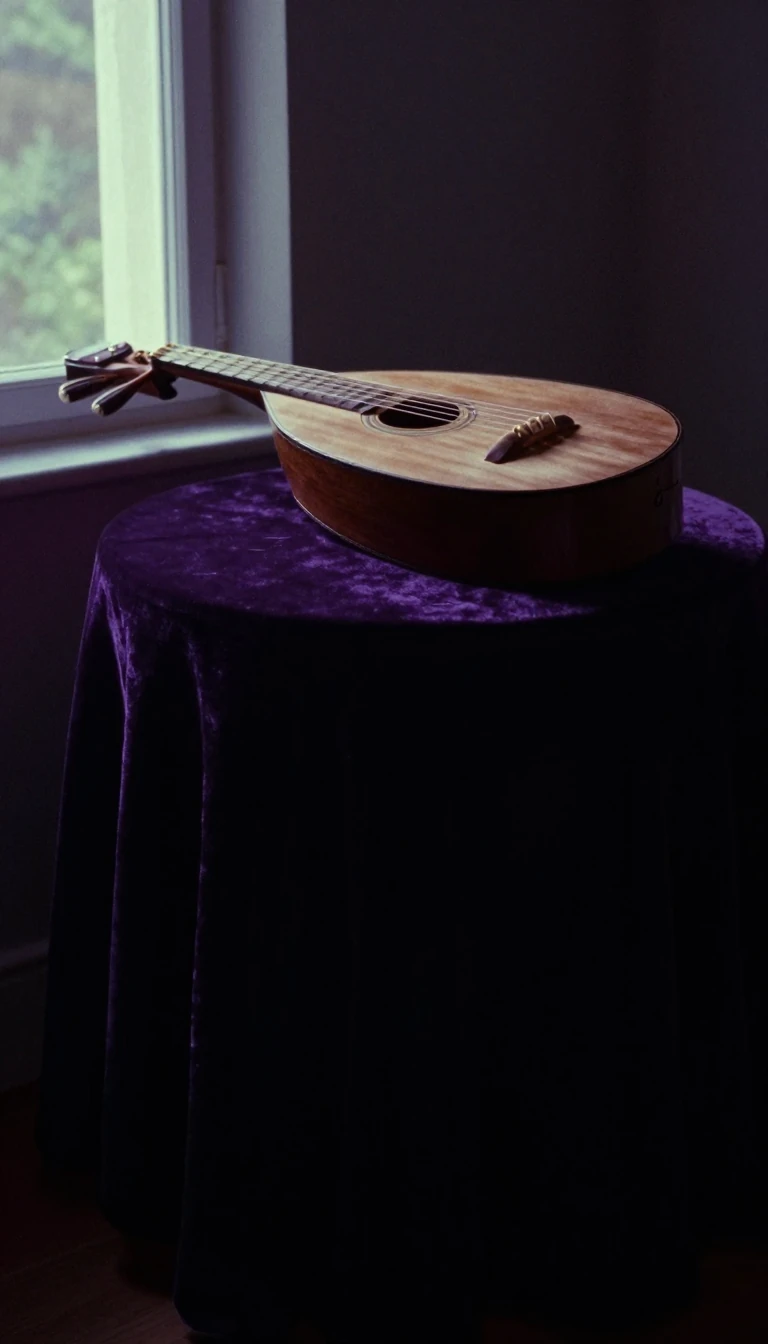
In short: Jean-Baptiste Lully rose from a street-performing violinist to the absolute dictator of French music under Louis XIV. Through brazen intrigue and a royal monopoly, he silenced all operatic competition in France. His legacy is a dramatic, rhythmic style that defined the era, ending only with his bizarre, self-inflicted death.
Born Giovanni Battista Lulli in Florence in 1632, the future composer arrived in France as a teenager after catching the eye of the Duke de Guise. His ascent was meteoric and marked by a lack of scruples. After serving in the household of Mlle de Montpensier, he joined the court of Louis XIV in the early 1650s. By 1661, he was the king’s musical composer, and by 1662, he had secured total control over the French court’s musical output. His ambition was matched by his ruthlessness; he famously acquired operatic production patents from Pierre Perrin and Robert Cambert, effectively making it illegal for any other opera to be performed in France without his express permission by 1674.
Lully’s influence on the sound of the Baroque was profound. He moved away from the Italian recitativo secco style, favoring an accompanied recitative that prioritized the natural declamation of the French language. This innovation created a seamless continuity between recitative and aria, a hallmark of his 'tragedies set to music.' He also revolutionized the stage by introducing women dancers and popularizing quicker dance forms like the bourrée, gavotte, and gigue. His collaboration with Molière between 1664 and 1670 produced iconic works like Le Bourgeois Gentilhomme, cementing his status as the architect of the French operatic tradition.
Despite his professional success, Lully’s personal life was volatile and often violent. He was known for a brutal temper, and his career was shadowed by scandal, including accusations of improper relations with a page boy in 1685. His end was as dramatic as his life: he died in 1687 from an infected wound in his foot, caused by accidentally striking himself with the heavy, long conducting stick he used to beat time. His influence, however, persisted long after his death, with composers like Jean-Philippe Rameau and Christoph Gluck adopting his signature chaconne movements.
Opens the Intellect+ feed with this card first. Swipe up for the next one.
Sources
- Summary by Intellect · source: Jean-Baptiste Lully | French Composer & Baroque Music Pioneer | Britannica
- Also: Jean-Baptiste Lully
To cite this card, link to https://intellectplus.co.uk/app/music-jean-baptiste-lully.
How we source, check and correct cards: Editorial standards.
General information, not professional advice. Spotted an error? Flag the card or see corrections and complaints.
Intellect Plus is a visual educational discovery platform for exploring fascinating facts and ideas. Brain Food, Not Brain Rot. What is Intellect Plus?
Related
More in Musicians and composers · More in Music · Latest · A–Z · All topics
