How a folk-rock experiment became the definitive voice of the 1960s counterculture movement
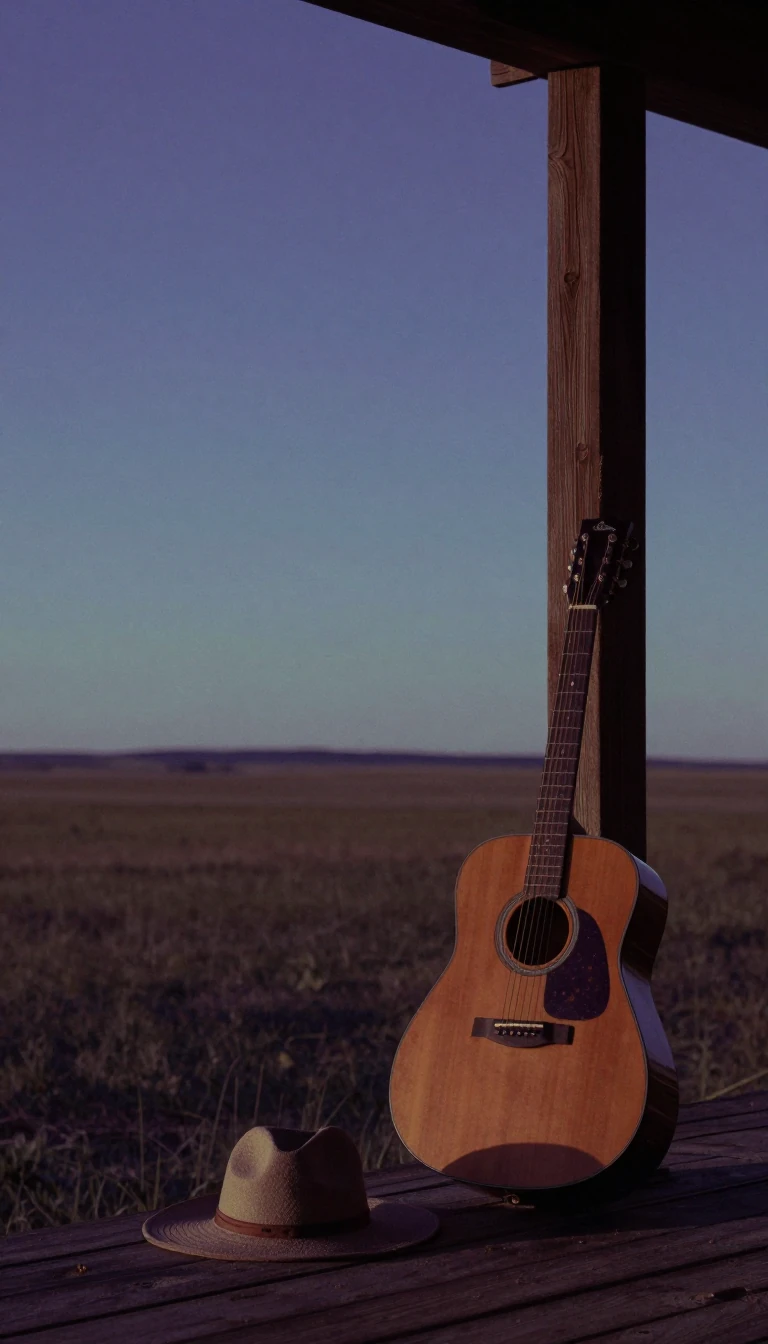
In short: Jefferson Airplane emerged from a San Francisco pizza parlor to define the psychedelic sound of the 1960s. By blending biting political lyrics with soaring, hallucinogenic harmonies, they became the first Bay Area band to secure a major label contract, eventually serving as the standard-bearer for an entire generation of youth.
Formed in 1965 by Marty Balin and Paul Kantner, the band began as a folk-oriented group playing at The Matrix, a club Balin helped establish in a former San Francisco pizza parlor. The group’s trajectory shifted dramatically in late 1966 when the arrival of Grace Slick, an edgy-voiced former model, transformed their sound. Alongside the driving, rhythmic foundation provided by bassist Jack Casady and drummer Spencer Dryden, the band evolved into a potent psychedelic force. This lineup became the first from San Francisco to achieve major label success, capturing the spirit of the Summer of Love with their 1967 breakout album, Surrealistic Pillow.
The band’s influence extended far beyond their chart success. They pioneered the improvisational jamming style that became synonymous with the San Francisco sound, frequently performing at iconic venues like the Fillmore Auditorium. Their music often served as a vehicle for social commentary; the 1969 album Volunteers, for instance, functioned as a direct response to the police riots during the 1968 Democratic National Convention in Chicago. Songs like the postapocalyptic 'Wooden Ships' and the title track solidified their reputation as a band that stood for something more than mere entertainment.
Despite their cultural impact, the band’s history was marked by constant membership shifts and eventual evolution into Jefferson Starship and Starship. While these later incarnations achieved mainstream hits in the 1970s and 1980s—such as the chart-topping 1975 album Red Octopus—the band never quite recaptured the singular intensity of their peak years. Their legacy was cemented in 1996 with an induction into the Rock and Roll Hall of Fame, and in 2024, the Library of Congress honored their contribution to history by adding Surrealistic Pillow to the National Recording Registry.
The name itself originated from a joke by guitarist Jorma Kaukonen, who suggested 'Jefferson Airplane' as a deliberately silly moniker inspired by bluesman Blind Lemon Jefferson. Yet, what began as a casual suggestion became the banner for a movement. Whether through their biting political critiques or their hallucinogenic melodies, the band remains a critical touchstone for understanding the intersection of music, politics, and the bohemian counterculture of the 1960s.
Opens the Intellect+ feed with this card first. Swipe up for the next one.
Sources
- Summary by Intellect · source: Jefferson Airplane | Members, Albums, & Songs | Britannica
- Also: Jefferson Airplane
To cite this card, link to https://intellectplus.co.uk/app/music-jefferson-airplane.
How we source, check and correct cards: Editorial standards.
General information, not professional advice. Spotted an error? Flag the card or see corrections and complaints.
Intellect Plus is a visual educational discovery platform for exploring fascinating facts and ideas. Brain Food, Not Brain Rot. What is Intellect Plus?
Related
More in Musicians and composers · More in Music · Latest · A–Z · All topics
