The song that signaled a revolution was hidden in plain sight
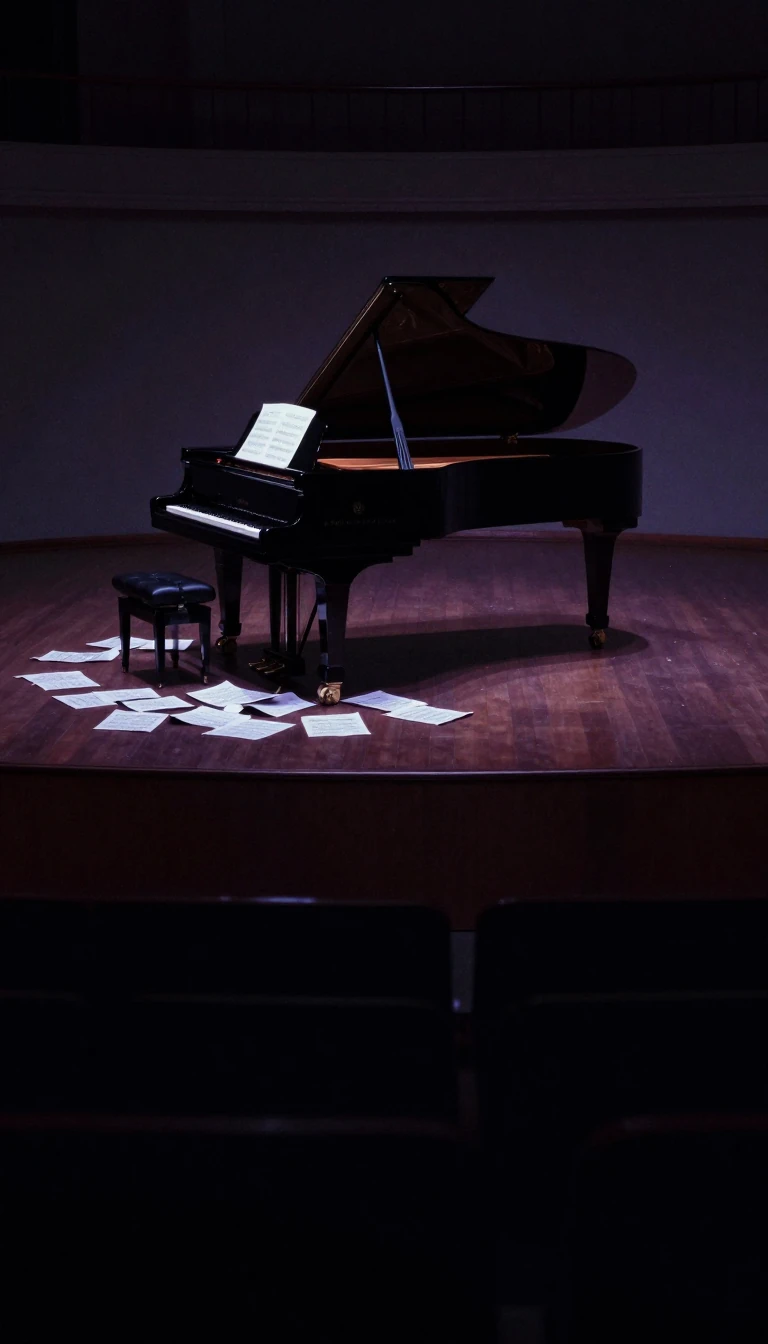
In short: How does a single folk song topple a dictatorship? For José Afonso, it wasn't just about the lyrics; it was about navigating a regime of heavy censorship. His music became the secret heartbeat of a revolution, moving from subversive underground art to the national anthem of democracy.
José Afonso, known as Zeca Afonso, became an icon of Portuguese resistance against the Estado Novo, a long-standing authoritarian regime. His journey into political music was shaped by a complex personal history: he spent years in African colonies like Angola and Mozambique, and even faced forced indoctrination in the 'Mocidade Portuguesa'—a paramilitary youth organization run by the fascist state. These experiences deeply informed his transition from a university student singing serenades to a composer of social protest.
The mechanism of his influence relied on artistic subversion. During the 1960s and 70s, Afonso toured the country, developing a trademark style that resonated with the working class. Because of strict state censorship, he often had to navigate what was permissible; for instance, at a major concert in March 1974, he was forbidden from performing his most overtly political tracks like 'Venham Mais Cinco.' However, his song 'Grândola, Vila Morena'—composed in 1964 after a performance in Grândola—was not flagged as subversive by the censors at that time.
This oversight proved pivotal. On April 25, 1974, the Armed Forces Movement used 'Grândola, Vila Morena' as a radio-broadcast signal during their military coup, known as the Carnation Revolution. The song effectively bridged the gap between underground protest and national liberation. Despite his massive influence, Afonso remained a complex figure; he refused to join the Portuguese Communist Party despite an invitation, maintaining a distinct artistic identity that prioritized folk tradition and revolutionary spirit over party doctrine.
Afonso's legacy is cemented by his prolific output during the regime's final years, including albums recorded in London and Paris. His work remains emblematic of anti-fascism and the labor movement, proving how cultural artifacts can serve as both a shield for dissent and a catalyst for systemic change.
Opens the Intellect+ feed with this card first. Swipe up for the next one.
Sources
- Summary by Intellect · source: José Afonso
To cite this card, link to https://intellectplus.co.uk/app/music-jos-afonso.
How we source, check and correct cards: Editorial standards.
General information, not professional advice. Spotted an error? Flag the card or see corrections and complaints.
Intellect Plus is a visual educational discovery platform for exploring fascinating facts and ideas. Brain Food, Not Brain Rot. What is Intellect Plus?
Related
More in Musicians and composers · More in Music · Latest · A–Z · All topics
