How a rebellious teenager turned the classical guitar into a respected concert instrument
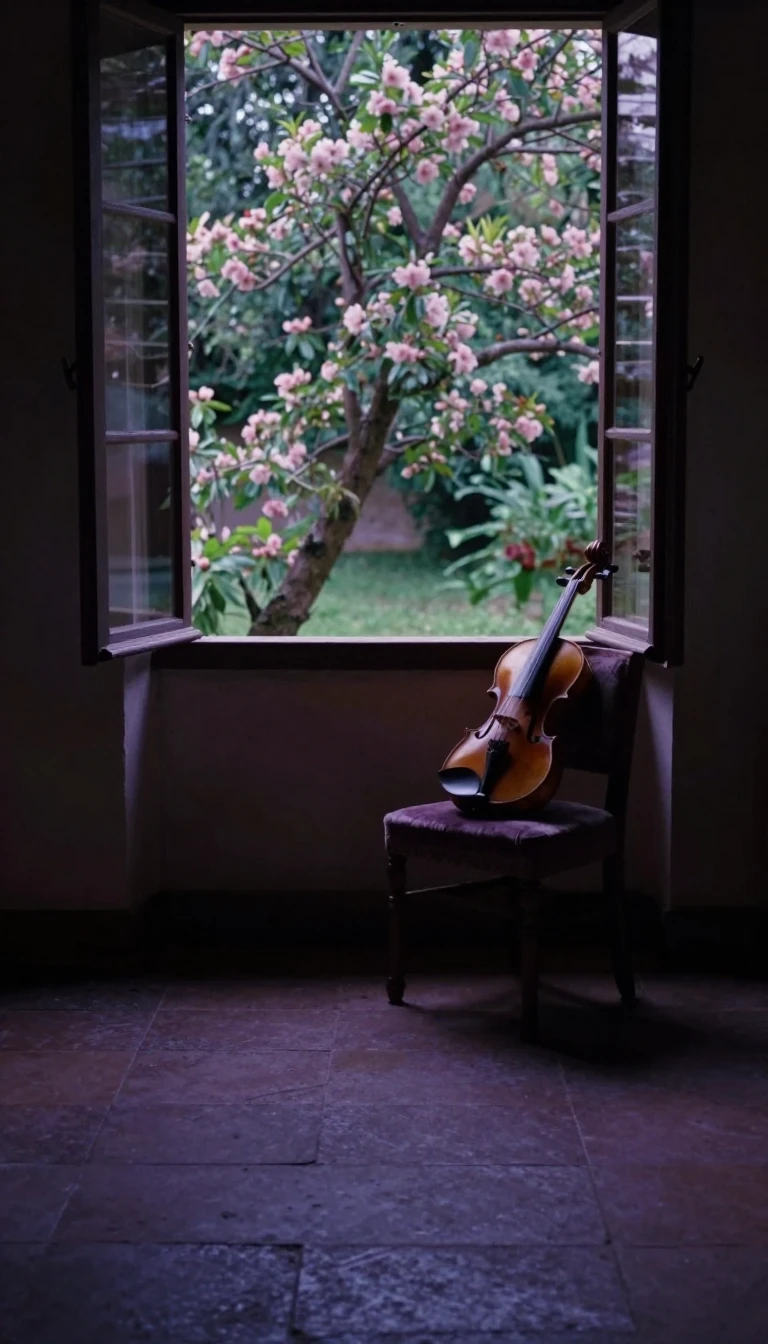
In short: Julian Bream was told to leave his guitar at home by his music college, so he left the college instead. His defiance helped elevate the classical guitar and lute to global prominence, inspiring legendary composers to write masterpieces specifically for his virtuosic, highly expressive, and unconventional playing style.
Born in 1933, Julian Bream grew up in a musical household in London, initially inspired by the jazz guitarist Django Reinhardt. Despite his father's skepticism about the career prospects of a classical guitarist, Bream remained steadfast. His early training at the Royal College of Music was marked by conflict; he was repeatedly discouraged from playing the guitar, eventually choosing his instrument over his formal education. This commitment defined his career, as he worked to prove that the guitar was a versatile, respectable instrument capable of interpreting English, French, and German music.
Bream’s influence extended beyond his solo performances. In 1960, he formed the Julian Bream Consort, a period-instrument ensemble that sparked a significant revival of interest in Elizabethan-era music. His collaborative spirit led him to work with figures like Peter Pears and John Williams, while his reputation as a virtuoso inspired a generation of composers. Many prominent artists, including Benjamin Britten, Malcolm Arnold, and William Walton, dedicated works to him. Britten’s Nocturnal, a cornerstone of the modern guitar repertoire, was written specifically with Bream’s unique, highly expressive technique in mind.
Throughout a career spanning over half a century, Bream navigated challenges ranging from national service in the Royal Artillery Band to a serious arm injury in 1984. He remained a prolific recording artist, winning four Grammy Awards for his work with RCA Victor and EMI Classics. Even after his formal retirement following a final recital in 2002, his legacy endured through extensive archival releases and documentary profiles. Bream passed away in 2020 at the age of 87, leaving behind a transformed landscape for classical guitarists worldwide.
Opens the Intellect+ feed with this card first. Swipe up for the next one.
Sources
- Summary by Intellect · source: Julian Bream
To cite this card, link to https://intellectplus.co.uk/app/music-julian-bream.
How we source, check and correct cards: Editorial standards.
General information, not professional advice. Spotted an error? Flag the card or see corrections and complaints.
Intellect Plus is a visual educational discovery platform for exploring fascinating facts and ideas. Brain Food, Not Brain Rot. What is Intellect Plus?
Related
More in Musicians and composers · More in Music · Latest · A–Z · All topics
