How Lionel Tertis transformed the viola from an orchestral afterthought into a solo powerhouse.
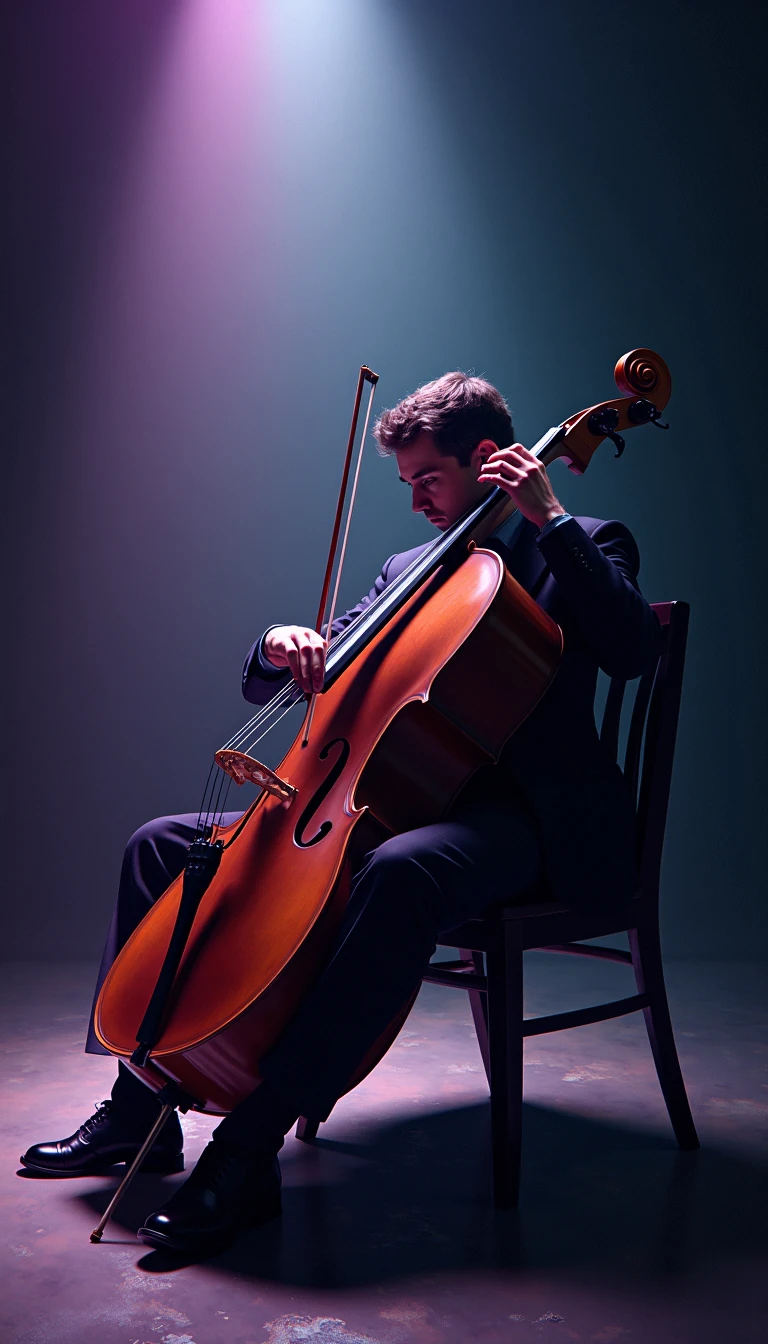
In short: Before Lionel Tertis, the viola was largely relegated to the background of the orchestra. Through sheer technical mastery and a relentless campaign to expand its repertoire, this English virtuoso elevated the instrument to international prominence, inspiring legendary composers to write concertos specifically for his unique, rich, and resonant tone.
Born in 1876 to Polish-Jewish immigrants, Lionel Tertis began his musical journey as a pianist before transitioning to the violin. It was not until 1897, while studying at the Royal Academy of Music, that he was persuaded by principal Alexander Mackenzie to switch to the viola. This pivot proved transformative for the instrument. Tertis quickly gained international fame as a soloist, touring extensively and championing a repertoire that had previously been sparse. By 1900, he became Professor of Viola at the Royal Academy, where he actively pressured his students and peers to compose new works, effectively building the modern viola canon.
Tertis was famously particular about the sound of his instrument. In 1920, he discovered a 1717 Montagnana viola in Paris, which he transported across the English Channel wrapped in his wife's waterproof coat because it lacked a case. Measuring 17 1/8 inches, the instrument was exceptionally large, a feature Tertis favored for its deep, rich tonal quality. Recognizing that such a size was impractical for many players, he later developed the 'Tertis model'—a 16 3/4-inch design that captured the tonal benefits of larger instruments in a more manageable frame.
His influence extended to the greatest composers of his era, including Ralph Vaughan Williams, Gustav Holst, and William Walton. Interestingly, Tertis famously declined to premiere Walton's Viola Concerto, finding the work difficult to comprehend at the time; the honor instead went to Paul Hindemith. Despite this, Tertis remained a central figure in contemporary music, performing with luminaries like Pablo Casals and founding influential chamber groups. By the time he retired from the concert stage in 1937, he had cemented the viola's status as a serious solo instrument, leaving behind a legacy that continues through the international competition established in his memory in 1980.
Opens the Intellect+ feed with this card first. Swipe up for the next one.
Sources
- Summary by Intellect · source: Lionel Tertis
To cite this card, link to https://intellectplus.co.uk/app/music-lionel-tertis.
How we source, check and correct cards: Editorial standards.
General information, not professional advice. Spotted an error? Flag the card or see corrections and complaints.
Intellect Plus is a visual educational discovery platform for exploring fascinating facts and ideas. Brain Food, Not Brain Rot. What is Intellect Plus?
Related
More in Musicians and composers · More in Music · Latest · A–Z · All topics
