Did America’s most influential music educator actually destroy a vibrant, homegrown musical tradition?
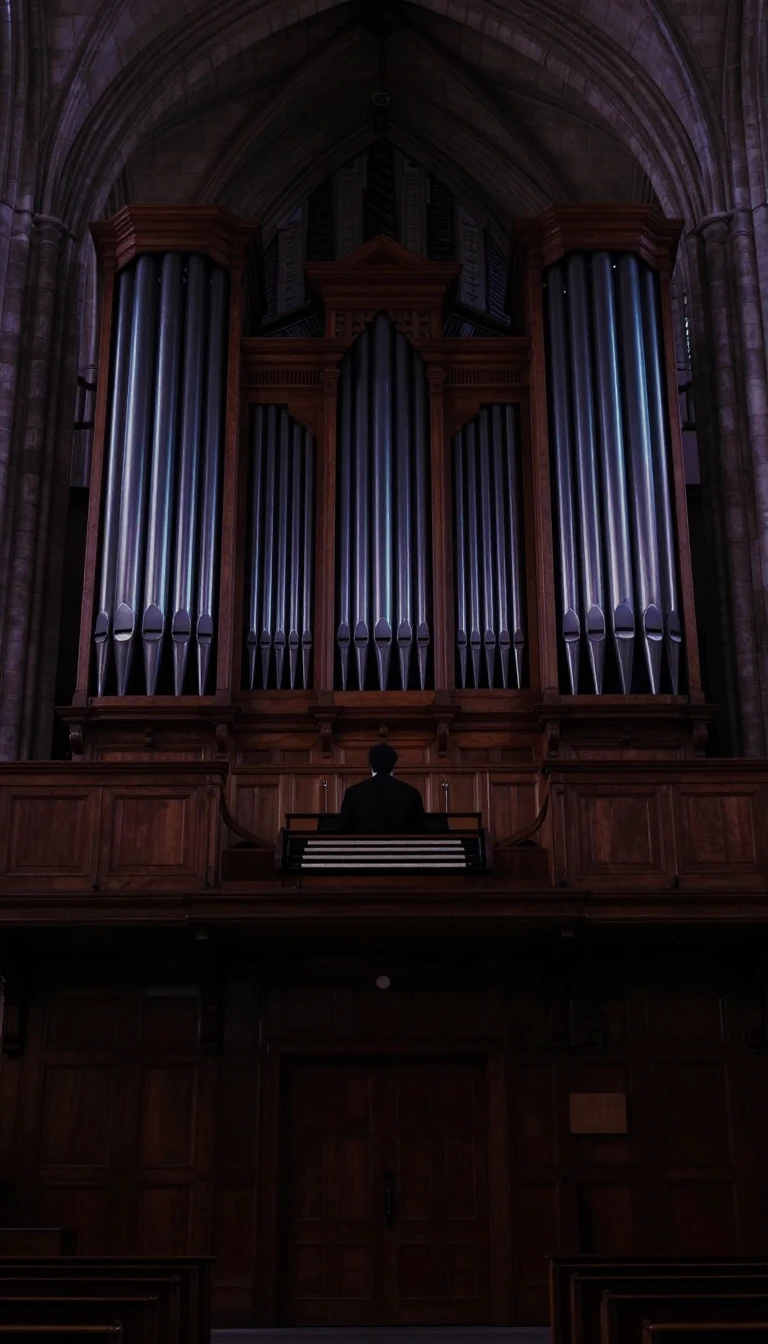
In short: Lowell Mason is celebrated as the father of American music education and a prolific hymn composer. Yet, critics argue his obsession with European classical models systematically dismantled a flourishing, participatory native tradition of sacred music, replacing it with a more homogeneous, less forceful style that favored professional organists over congregations.
Lowell Mason, born in 1792, was a central figure in 19th-century American music. While working as a banker, he rose to prominence by introducing European classical influences into American hymnody. His success with the Handel and Haydn Society in 1822 launched a career that saw him become the first important U.S. music educator, eventually leading the Boston school system's music program from 1838 to 1841. He composed over 1,600 hymn tunes, including arrangements still widely recognized today.
However, Mason’s legacy is deeply contested. Critics, including editors of the Grove Dictionary of Music and Musicians, contend that Mason and his colleagues actively suppressed the indigenous, participatory sacred music of the Second Great Awakening. By labeling this native style—which included complex fuge-tunes—as unscientific and backwoods, Mason successfully promoted a European-centric aesthetic. This shift prioritized soprano-led melodies and required organ accompaniment, a move that critics suggest alienated congregations and diminished the role of amateur singers in favor of professionalized quartet choirs.
The impact of this cultural shift was profound. While Mason’s refined, European-style hymns became the standard for American church music, the older, more robust tradition was pushed into rural isolation, surviving in pockets like the Sacred Harp movement. Today, as interest in pre-Mason American music grows, historians continue to debate whether Mason’s efforts were a necessary modernization or a destructive act of cultural elitism that stripped Americans of their unique musical identity.
Opens the Intellect+ feed with this card first. Swipe up for the next one.
Sources
- Summary by Intellect · source: Lowell Mason
To cite this card, link to https://intellectplus.co.uk/app/music-lowell-mason.
How we source, check and correct cards: Editorial standards.
General information, not professional advice. Spotted an error? Flag the card or see corrections and complaints.
Intellect Plus is a visual educational discovery platform for exploring fascinating facts and ideas. Brain Food, Not Brain Rot. What is Intellect Plus?
Related
More in Musicians and composers · More in Music · Latest · A–Z · All topics
