How Congolese rhythms and instruments shaped the sound of music across the Atlantic
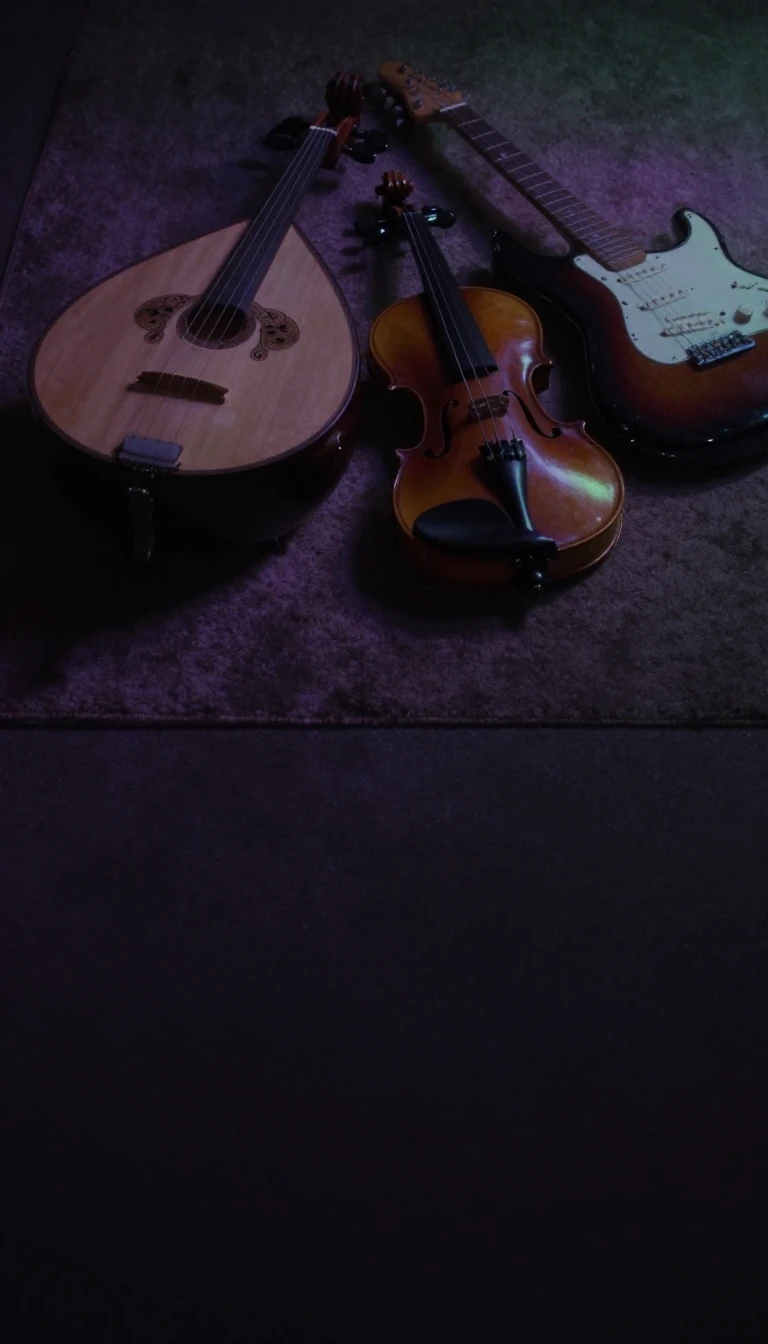
In short: Congolese music is a vast, polyrhythmic tapestry that stretches far beyond its borders. From the ancient sanza to the modern electric guitar, these traditions traveled through the transatlantic slave trade to influence genres in Cuba, Haiti, and Brazil, while simultaneously evolving into the global phenomenon of Congolese rumba.
The Democratic Republic of the Congo is home to over 250 to 450 ethnic groups, each cultivating distinct musical traditions. These range from polyphonic vocal textures and pentatonic scales to the use of instruments like the arched harp and the sanza, a lamellophone with 3,000-year-old roots in present-day Cameroon. Historically, instruments were not merely for entertainment; slit drums like the lokole and skin drums served as sophisticated communication devices, transmitting coded messages across villages.
In the 1930s and 1940s, urban centers like Kinshasa became melting pots where local styles such as the maringa dance met global influences like jazz and Cuban son. This fusion birthed 'Congolese rumba,' a genre that eventually gave rise to the intricate, guitar-driven soukous in the 1960s and 1970s. The influence of these rhythms is profound; scholars note that Congolese percussion and guitar styles provided the foundational DNA for diverse musical forms across the Atlantic, including the Cuban marímbula and the Haitian manuba.
Today, the landscape of Congolese music is dominated by Lingala, which has largely eclipsed the country's hundreds of ethnic dialects in popular song. While some critics, such as Samuel Malonga Nkilutomba Luba Mabitidi, argue that the shift toward modern instruments has weakened the sacred, ancestral spirit of traditional music, the connection remains alive. Contemporary musicians frequently revisit rural folklore, integrating the languages and rhythms of griots and villagers to ensure that these ancient expressive forms remain a vital part of modern artistic identity.
Opens the Intellect+ feed with this card first. Swipe up for the next one.
Sources
- Summary by Intellect · source: Music of the Democratic Republic of the Congo
To cite this card, link to https://intellectplus.co.uk/app/music-music-of-the-democratic-republic-of-the-congo.
How we source, check and correct cards: Editorial standards.
General information, not professional advice. Spotted an error? Flag the card or see corrections and complaints.
Intellect Plus is a visual educational discovery platform for exploring fascinating facts and ideas. Brain Food, Not Brain Rot. What is Intellect Plus?
Related
More in Music · More in Music · Latest · A–Z · All topics
