Sudanese music is a unique rhythmic crossroads where ancient traditions meet modern global sounds.
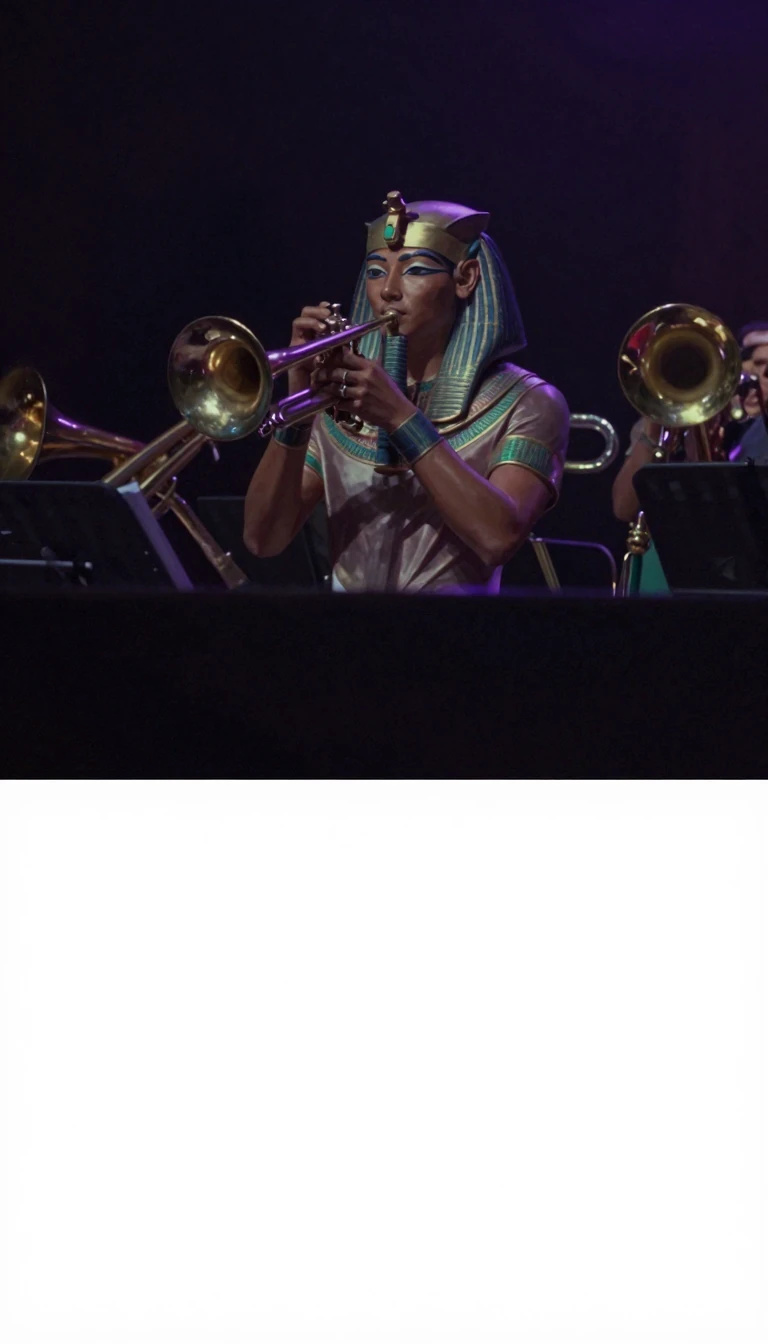
In short: For centuries, Sudan has served as a cultural bridge between Africa, the Arab world, and the Sahel. From the pentatonic scales of ancient Nubian roots to the electric guitars of the 1970s, Sudanese music defies simple categorization, blending complex polyrhythms with poetic lyrics that capture the nation's evolving identity.
Sudanese music is defined by its distinct departure from the monophonic, melody-focused traditions of much of the Arab world. Instead, it relies on pentatonic scales, polyrhythmic structures, and interlocking patterns, such as the 3:2 ratio found in the Tumtum rhythm. These features suggest an ancient Nubian origin that persists even as the country has integrated diverse influences. While traditional instruments like the tanbūra lyre were once central, the 20th century saw the widespread adoption of the Arabic oud, followed by Western brass and electric instruments.
The evolution of modern Sudanese popular music began in the 1920s with hageeba, a style that transitioned from religious praise chanting to secular, urban lyrics. Radio Omdurman, established in the 1940s, acted as a primary catalyst for this shift, popularizing artists like Ibrahim al Kashif, often called the 'Father of modern singing.' By the 1960s, the country entered a 'Golden Age' characterized by the fusion of local traditions with American pop, Congolese soukous, and Cuban rumba. This era introduced electric guitars and brass sections, exemplified by the internationally acclaimed band of Sharhabil Ahmed.
Women have played a vital, often pioneering role in this musical landscape. Beyond the traditional Hakamat—poets and social leaders in western Sudan—women broke barriers in the public sphere. Aisha al Falatiya became the first woman to sing on Sudanese radio in 1943, and by the 1970s, groups like Al Balabil achieved regional fame. Despite periodic religious and cultural objections to public performance, music has remained a resilient force for social expression, conflict resolution, and national identity, with digitisation efforts in 2018 ensuring these historic sounds reach a global audience.
Opens the Intellect+ feed with this card first. Swipe up for the next one.
Sources
- Summary by Intellect · source: Music of Sudan
To cite this card, link to https://intellectplus.co.uk/app/music-music-of-sudan.
How we source, check and correct cards: Editorial standards.
General information, not professional advice. Spotted an error? Flag the card or see corrections and complaints.
Intellect Plus is a visual educational discovery platform for exploring fascinating facts and ideas. Brain Food, Not Brain Rot. What is Intellect Plus?
Related
More in Music · More in Music · Latest · A–Z · All topics
