The pipa is a two-thousand-year-old Chinese lute that once traveled the Silk Road.
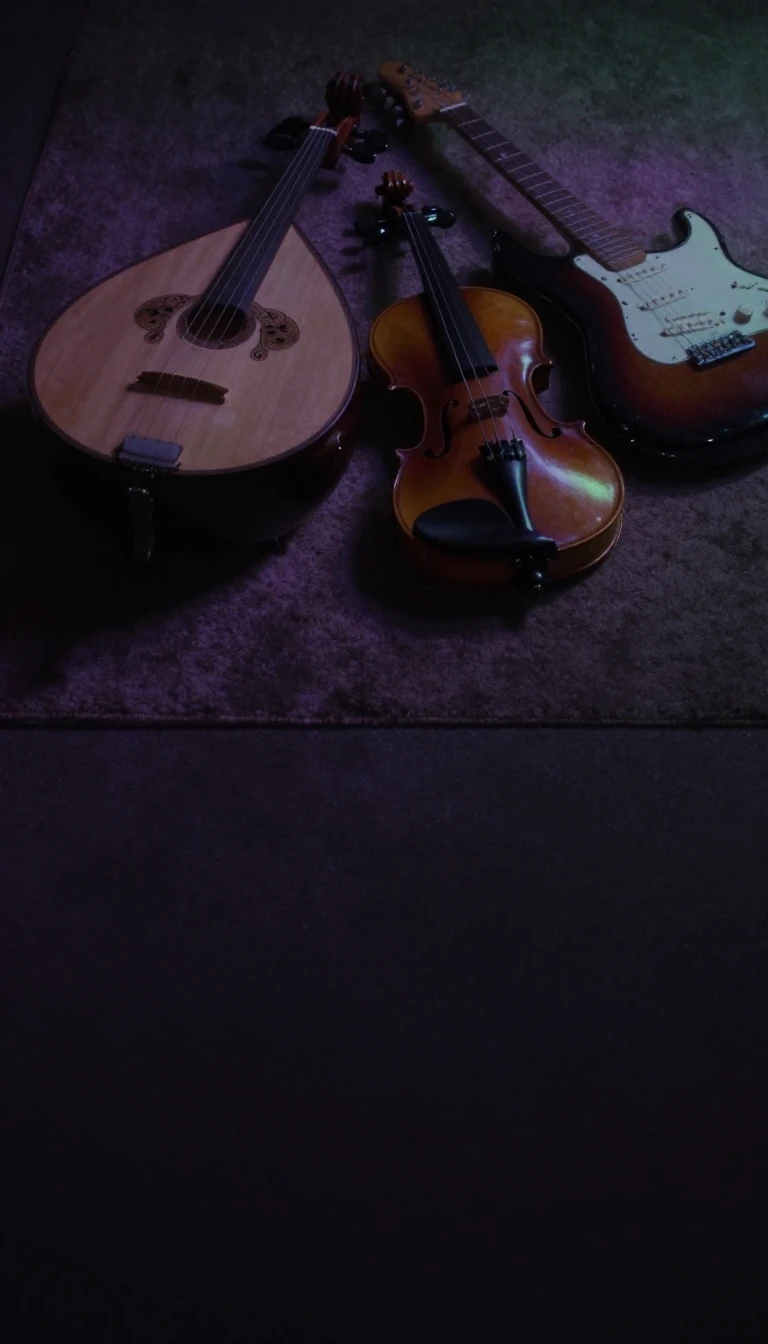
In short: With a pear-shaped body and a history spanning two millennia, the pipa is a cornerstone of Chinese music. Originally a foreign arrival that evolved through centuries of cultural exchange, this versatile instrument has transformed from a horizontal, plectrum-played lute into the vertical, finger-plucked virtuoso piece heard in modern concert halls.
The origins of the pipa are deeply intertwined with the history of the Silk Road. While early Chinese texts mention various plucked instruments as far back as the Qin dynasty, the distinct pear-shaped pipa likely arrived in China from Central Asia, Gandhara, or India. By the Tang dynasty, it had become a central fixture of the imperial court, often associated with Buddhist iconography and played by musicians from as far as Persia. Its name itself reflects its mechanics: the two syllables, pí and pá, describe the outward strike and inward pluck of the player's hand.
The instrument's physical form has undergone radical shifts. Early versions were played horizontally with a large plectrum, but by the Qing dynasty, the playing position had shifted to vertical, and fingernails replaced the plectrum. The number of frets also expanded significantly; what began with just four frets on the neck eventually grew to 30 in the 20th century, allowing for a far greater range of musical expression. This evolution was accompanied by a shift from traditional silk strings to modern nylon-wound steel, which necessitated the use of false nails made of plastic or tortoise-shell.
Pipa music is traditionally categorized into 'wen' (lyrical, civil) and 'wu' (rhythmic, martial) styles. The former focuses on nature and emotion, while the latter often depicts dramatic battle scenes. These traditions were codified in the 19th century through major collections like the Hua Collection, edited by Hua Qiuping in 1819. Today, the pipa remains a living tradition, with new compositions continuing to emerge, even as regional genres like nanguan preserve the ancient, horizontal playing style that once defined the instrument's earliest days in China.
Opens the Intellect+ feed with this card first. Swipe up for the next one.
Sources
- Summary by Intellect · source: Pipa
To cite this card, link to https://intellectplus.co.uk/app/music-pipa.
How we source, check and correct cards: Editorial standards.
General information, not professional advice. Spotted an error? Flag the card or see corrections and complaints.
Intellect Plus is a visual educational discovery platform for exploring fascinating facts and ideas. Brain Food, Not Brain Rot. What is Intellect Plus?
Related
More in Music · More in Music · Latest · A–Z · All topics
