Why the standard for musical pitch has shifted for centuries across the globe
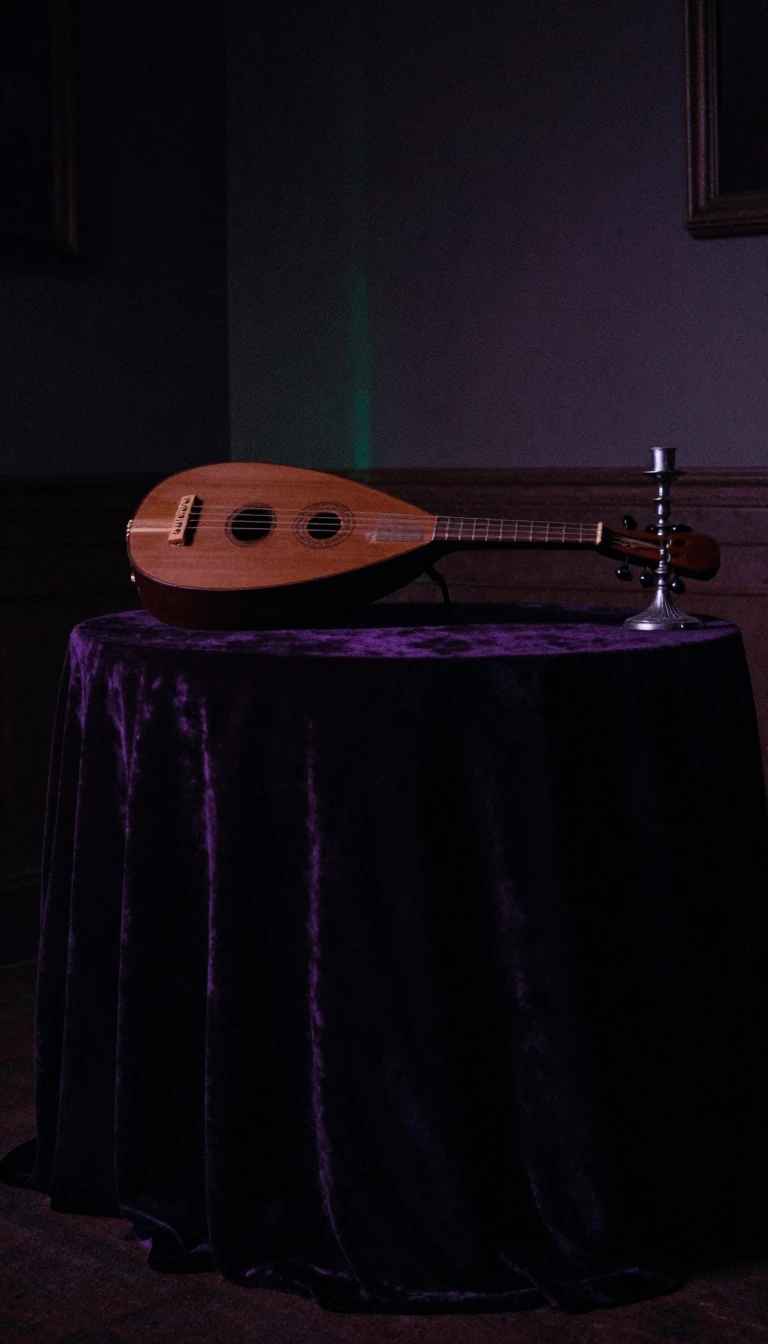
In short: Pitch is the subjective sensation of sound frequency, yet it has been a moving target for centuries. From the Baroque era to the modern age, musicians have struggled to agree on a universal reference point, leading to a history of rising and falling standards that still shape our music today.
At its core, pitch is the auditory perception of sound wave frequency, measured in hertz. While high frequencies like 880 Hz are perceived as high and low ones like 55 Hz as low, pitch is not merely a physical measurement. It is a psychoacoustical experience that allows us to order sounds on a scale. Humans possess specialized brain areas for this, a trait that appears unique among animals.
The history of musical pitch is defined by a lack of international consensus. In the mid-17th century, Parisian instrument makers used a Baroque pitch of about 415 Hz, while other regions employed higher standards like the Renaissance 'choir pitch.' By the 19th century, the conventional pitch had climbed significantly, reaching 453 Hz in the 'Old Philharmonic Pitch.' This high standard strained singers and rendered instruments obsolete, prompting an 1858 international commission to adopt a compromise of 435 Hz.
The modern standard of 440 Hz for A above middle C was officially adopted in 1939, following earlier British adoption of 439 Hz. Despite this, stability remains elusive; in the mid-20th century, some European woodwind builders pushed the standard upward to 444 Hz. This constant fluctuation highlights the tension between the physical reality of sound and the practical, aesthetic needs of musicians across different eras and geographies.
Beyond the standard, pitch perception remains complex. While most people agree on relative pitch, absolute pitch—the ability to identify or produce a specific note without a reference—is rare and typically develops in childhood. Furthermore, pitch can be influenced by loudness, particularly at extreme frequencies, and complex tones can even create the illusion of a 'missing fundamental,' demonstrating that our ears and brains are active participants in constructing the musical world.
Opens the Intellect+ feed with this card first. Swipe up for the next one.
Sources
- Summary by Intellect · source: Pitch | Definition, Frequency, & Music | Britannica
- Also: Pitch (music)
To cite this card, link to https://intellectplus.co.uk/app/music-pitch-music.
How we source, check and correct cards: Editorial standards.
General information, not professional advice. Spotted an error? Flag the card or see corrections and complaints.
Intellect Plus is a visual educational discovery platform for exploring fascinating facts and ideas. Brain Food, Not Brain Rot. What is Intellect Plus?
Related
More in Music · More in Music · Latest · A–Z · All topics
