Why Rachmaninoff called his most famous composition a Frankenstein monster
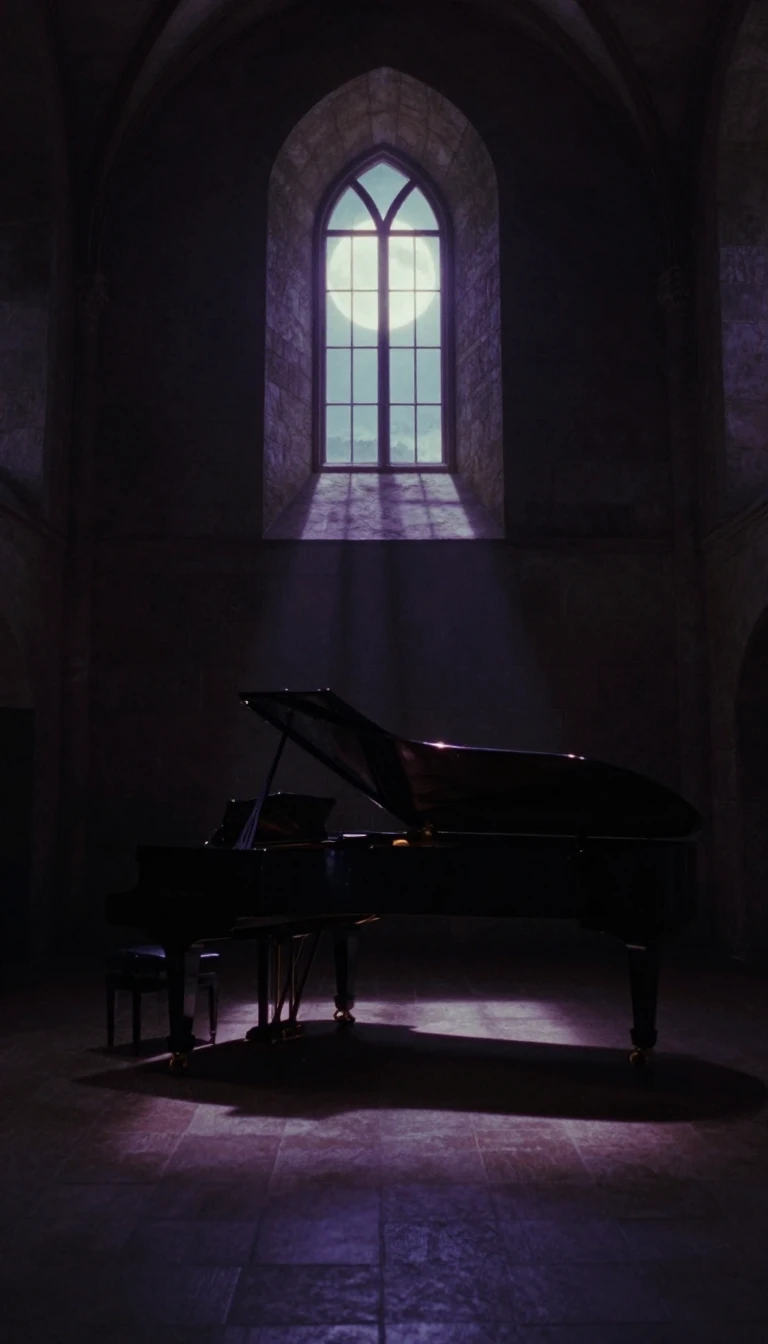
In short: Sergei Rachmaninoff’s Prelude in C-sharp minor became an international sensation, yet the composer grew to despise his own creation. Despite its immense popularity and status as a staple of the piano repertoire, Rachmaninoff famously lamented writing it, viewing the piece as an uncontrollable monster that haunted his entire career.
Composed in 1892 shortly after Rachmaninoff graduated from the Moscow Conservatory, the Prelude in C-sharp minor was one of his first works as a professional artist. It debuted at the Moscow Electrical Exhibition on September 26, 1892. While it became a defining success, the composer received only a flat publishing fee of 40 rubles—roughly two months of a factory worker's wages—because Russia was not a signatory to the 1886 Berne Convention at the time.
The piece is a 62-bar work in ternary form, famous for its opening three-note motif that evokes the solemn carillon chimes of the Kremlin. Its structure moves from a fortissimo introduction into an agitated middle section marked by chromatic triplets and quadruple sforzando chords, eventually building to a climactic recapitulation. The work concludes with a quiet seven-bar coda, a stark contrast to the thunderous opening that earned it nicknames like The Bells of Moscow.
As the Prelude gained fame across Western Europe and the United States, audiences became obsessed, often shouting for it as an encore at his concerts. Rachmaninoff eventually grew weary of the constant demand, referring to the piece as his 'Frankenstein'—a creation that had escaped his control. Despite his frustration, he recorded the work on Ampico piano rolls and Welte-Mignon reproducing pianos, and he even expressed admiration for a 1929 animated performance by Mickey Mouse in The Opry House, calling it a stirring rendition.
Rachmaninoff later expanded his output to complete a set of 24 preludes covering all major and minor keys, following a tradition established by composers like Bach and Chopin. While the C-sharp minor Prelude remains his most recognizable work, his complicated relationship with it highlights the tension between a composer's artistic intent and the unpredictable nature of public fame.
Opens the Intellect+ feed with this card first. Swipe up for the next one.
Sources
- Summary by Intellect · source: Prelude in C-sharp minor (Rachmaninoff)
To cite this card, link to https://intellectplus.co.uk/app/music-prelude-in-c-sharp-minor-rachmaninoff.
How we source, check and correct cards: Editorial standards.
General information, not professional advice. Spotted an error? Flag the card or see corrections and complaints.
Intellect Plus is a visual educational discovery platform for exploring fascinating facts and ideas. Brain Food, Not Brain Rot. What is Intellect Plus?
Related
More in Music · More in Music · Latest · A–Z · All topics
