From tuning instruments to standing alone: the evolution of the musical prelude
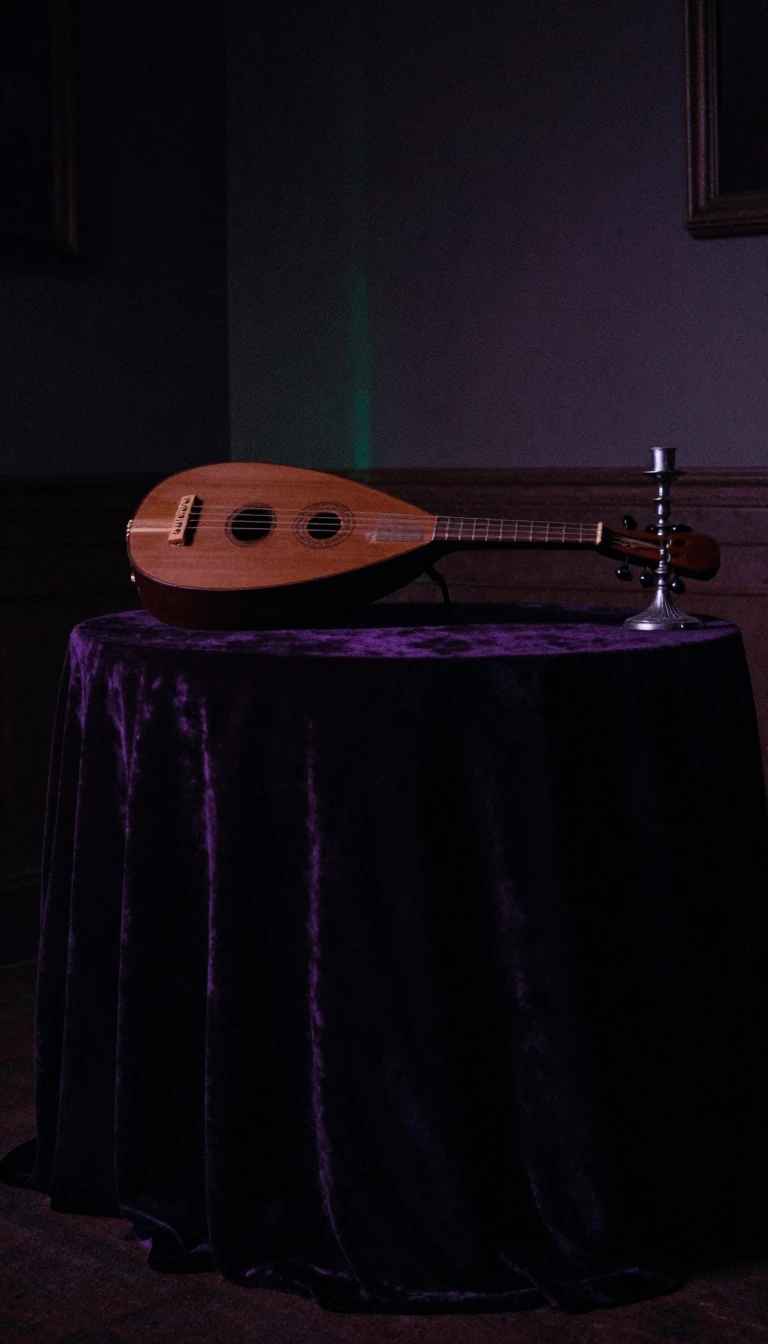
In short: Originally designed to warm up fingers or check a lute's tuning, the prelude has undergone a massive transformation. Once a mere functional introduction to longer works, this improvisatory genre eventually broke free to become a profound, stand-alone expression of mood and character in the hands of history's greatest composers.
The origins of the prelude are rooted in utility. The earliest surviving musical notations are five brief praeambula found in the Ileborgh Tablature of 1448, used to introduce church music. By 1508, composers like Joan Ambrosio Dalza were writing pieces titled "tastar de corde"—literally "testing of the strings"—which served to check an instrument's sound quality and warm up the performer's fingers. This improvisatory nature remained a core characteristic as the genre evolved through the Baroque era, where it often functioned as a brief introduction to more complex movements.
In the 17th century, the genre saw significant structural shifts. In France, Louis Couperin became the first to embrace the harpsichord prelude, leading to the development of "unmeasured preludes" where the performer determined the duration of each note. Meanwhile, in Germany, composers like Johann Jakob Froberger and Girolamo Frescobaldi developed sectional forms similar to toccatas. Some northern German composers, such as Dieterich Buxtehude and Nikolaus Bruhns, began combining free, improvised passages with strict contrapuntal writing, a style that would eventually lead to the pairing of a prelude with a fugue.
The most famous iteration of this pairing comes from Johann Sebastian Bach, whose two books of "The Well-Tempered Clavier," completed in 1722 and 1742, utilized a cycle of 24 preludes and fugues in all major and minor keys. This format was inspired by earlier works like Johann Caspar Ferdinand Fischer's 1702 cycle, Ariadne musica. By the Romantic era, composers like Frédéric Chopin revolutionized the form again. Chopin's Op. 28 liberated the prelude from its introductory duties, transforming it into an independent concert piece capable of expressing a specific mood or character, a legacy that extended through the 20th century to composers like Debussy and Rachmaninoff.
Opens the Intellect+ feed with this card first. Swipe up for the next one.
Sources
- Summary by Intellect · source: Prelude (music)
To cite this card, link to https://intellectplus.co.uk/app/music-prelude-music.
How we source, check and correct cards: Editorial standards.
General information, not professional advice. Spotted an error? Flag the card or see corrections and complaints.
Intellect Plus is a visual educational discovery platform for exploring fascinating facts and ideas. Brain Food, Not Brain Rot. What is Intellect Plus?
Related
More in Music · More in Music · Latest · A–Z · All topics
