How a banned play about a corrupt king became Verdi’s masterpiece, Rigoletto
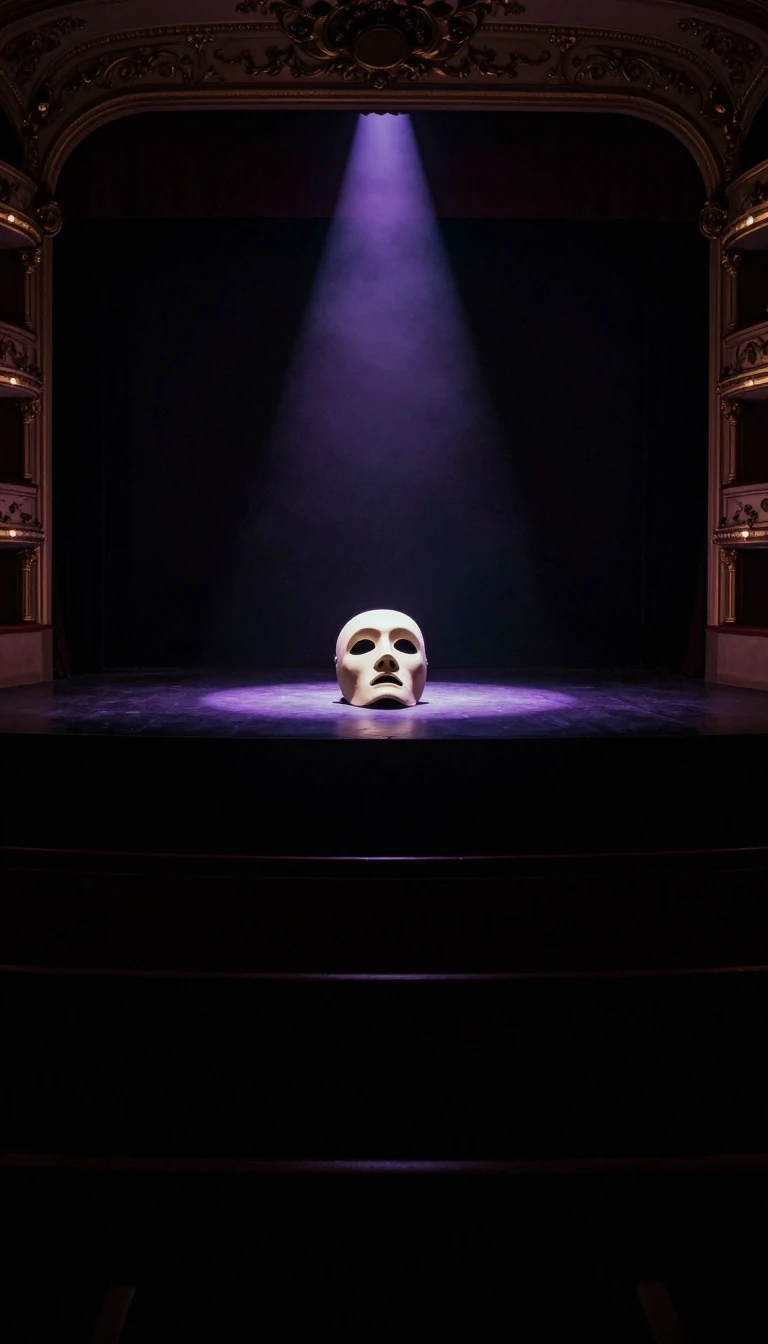
In short: Giuseppe Verdi’s Rigoletto is a staple of the operatic repertoire, yet it almost never reached the stage. Based on a controversial play by Victor Hugo, the work faced intense scrutiny from Austrian censors who deemed its original depiction of a debauched monarch immoral, forcing a radical transformation of the story.
In 1850, Verdi sought to adapt Victor Hugo’s 1832 play, Le Roi s’amuse, which he hailed as the greatest drama of modern times. The play had been banned in France after a single performance due to its scandalous portrayal of a king. Because Northern Italy was then under Austrian control, Verdi and his librettist, Francesco Maria Piave, faced a rigorous censorship process. The Austrian authorities initially rejected the project, labeling it a work of repugnant immorality and obscene triviality.
To secure approval, the creators engaged in a tense negotiation. They moved the setting to 16th-century Mantua, transformed the king into a duke, and renamed the hunchbacked jester Rigoletto. The final title was adopted in January 1851, and the opera premiered at La Fenice in Venice on March 11, 1851. Despite the compromises, the core of the tragedy remained: a father’s curse, a lecherous ruler, and a daughter’s sacrifice.
Verdi’s mastery is evident in how the music drives the narrative. He moved away from conventional, stop-start arias, preferring a continuous flow where the orchestra conveys unspoken emotion. Even minor characters are defined by specific rhythmic and harmonic patterns. The quartet in the final act is a marvel of simultaneous characterization, a feat that even Victor Hugo admired, noting that if he could achieve such an effect in his own plays, he would consider it a triumph.
The opera’s success was bolstered by its secrecy. Verdi was so protective of his work that he kept parts of the score hidden until rehearsals began. He famously forced the tenor cast as the Duke to swear he would not even whistle the melody of the now-iconic aria, “La donna è mobile,” until the night of the premiere. This caution paid off, as the work was well-received and remains a testament to Verdi’s complete grasp of his musical materials.
Opens the Intellect+ feed with this card first. Swipe up for the next one.
Sources
- Summary by Intellect · source: Rigoletto | Verdi’s Tragic Opera of Love & Betrayal | Britannica
- Also: Rigoletto
To cite this card, link to https://intellectplus.co.uk/app/music-rigoletto.
How we source, check and correct cards: Editorial standards.
General information, not professional advice. Spotted an error? Flag the card or see corrections and complaints.
Intellect Plus is a visual educational discovery platform for exploring fascinating facts and ideas. Brain Food, Not Brain Rot. What is Intellect Plus?
Related
More in Music · More in Music · Latest · A–Z · All topics
