How a decade of persistent manipulation coaxed Verdi out of his operatic retirement
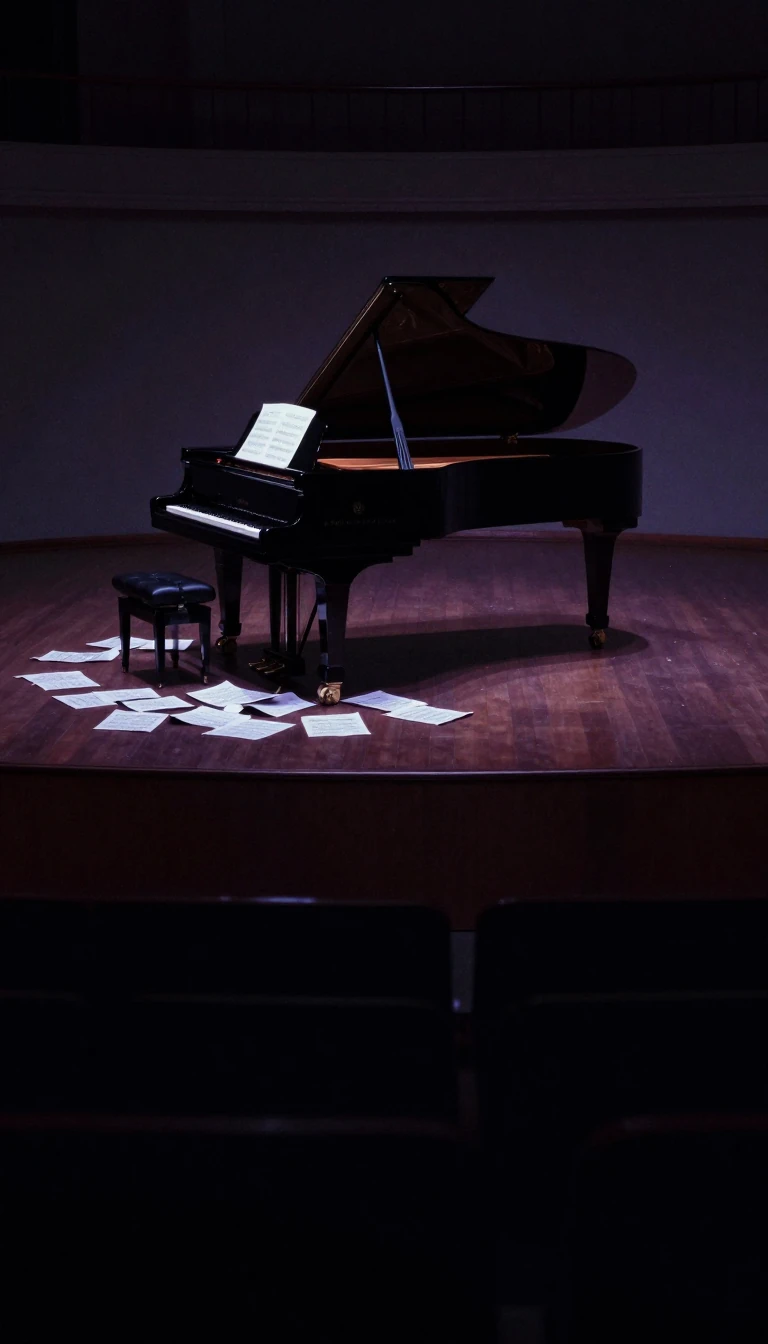
In short: After the 1871 premiere of Aida, Giuseppe Verdi was finished with opera. He spent years in self-imposed exile, resisting every attempt to lure him back to the stage. It took a decade of strategic cajoling by his publisher, Giulio Ricordi, and a carefully orchestrated collaboration to change his mind.
Verdi’s retirement was not merely a break; it was a firm rejection of the musical landscape of the 1870s. He felt alienated by the rise of Germanism and frustrated by the state of Italian theatre. Despite his status as Italy’s wealthiest and most popular composer, he viewed his career as complete, comparing his position to that of Rossini after William Tell. His publisher, Giulio Ricordi, saw this as a catastrophic waste of talent and potential profit, leading him to hatch a long-term plan to bring the composer back.
Ricordi’s strategy was patient and multifaceted. He attempted to interest Verdi in various projects, including librettos by Arrigo Boito, but was repeatedly rebuffed. Even appeals through Verdi’s wife, Giuseppina, and close friends like Clara Maffei failed to move him. Ricordi eventually realized that only a subject of immense dramatic weight could capture Verdi’s interest. He focused on Shakespeare, a writer Verdi had admired since his youth, describing him as the great searcher of the human heart.
The turning point was a calculated test. Ricordi pushed for a collaboration between Verdi and Boito to revise the 1857 opera Simon Boccanegra. Musicologists suggest this was a deliberate trial to see if the two men could work together effectively. The success of this revision, which featured villainous recitatives that foreshadowed the psychological depth of later work, finally convinced Verdi to commit to the larger project. By 1884, composition of Otello began in earnest, culminating in its 1887 premiere at La Scala.
Otello stands as a monument to Verdi’s late-career mastery, showcasing a seamless integration of music and drama that moved beyond traditional aria structures. While it remains more difficult to produce than his earlier works due to its extreme vocal demands, it represents the peak of his dramatic power. It was the result of years of persuasion, proving that even the most stubborn genius could be moved by the right artistic partner and the enduring pull of Shakespeare.
Opens the Intellect+ feed with this card first. Swipe up for the next one.
Sources
- Summary by Intellect · source: Otello | Verdi’s Tragic Opera Masterpiece | Britannica
- Also: Otello
To cite this card, link to https://intellectplus.co.uk/app/music-otello.
How we source, check and correct cards: Editorial standards.
General information, not professional advice. Spotted an error? Flag the card or see corrections and complaints.
Intellect Plus is a visual educational discovery platform for exploring fascinating facts and ideas. Brain Food, Not Brain Rot. What is Intellect Plus?
Related
More in Music · More in Music · Latest · A–Z · All topics
