Samuel Barber: The American prodigy who rejected modernism to find his own lyrical voice
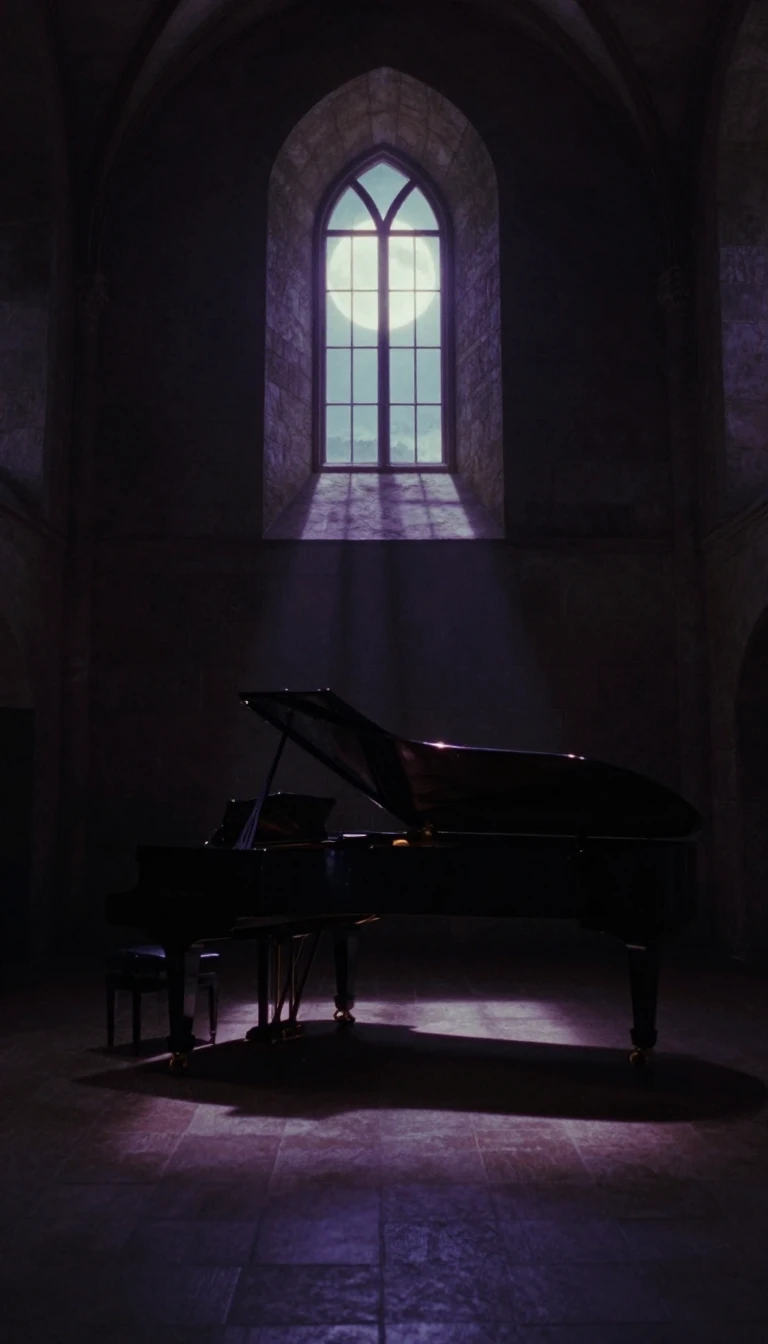
In short: A musical prodigy who wrote his first work at seven, Samuel Barber became one of the 20th century's most celebrated composers. While his peers embraced experimental modernism, he remained committed to traditional lyricism. Yet, his career was marked by a dramatic shift, personal struggle, and an enduring, haunting legacy.
Born in 1910 in West Chester, Pennsylvania, Samuel Barber was a triple prodigy in composition, voice, and piano. By age nine, he had already written to his mother declaring his destiny as a composer, explicitly rejecting his family's pressure to pursue athletics. He entered the Curtis Institute of Music at 14, where he studied under Rosario Scalero and formed a lifelong personal and professional partnership with fellow student Gian Carlo Menotti. His early work, characterized by tonal harmony and lyrical melodies, earned him rapid international acclaim, including the prestigious Bearns Prize twice before he turned 22.
Barber’s musical language evolved significantly after 1940. Influenced by the cultural shifts of World War II and composers like Stravinsky and Bartók, he began incorporating dissonance, chromaticism, and tonal ambiguity into his compositions. This transition is evident in works like his 1945 Cello Concerto and the 1949 Piano Sonata. Despite this evolution, his foundation remained rooted in the vocal tradition; having trained as a professional baritone, two-thirds of his total output consisted of art songs and choral music. His Adagio for Strings, originally a movement from his String Quartet, Op. 11, became one of the most performed works in the orchestral canon.
The latter half of Barber's life was defined by both triumph and profound personal difficulty. He won two Pulitzer Prizes—for his opera Vanessa in 1958 and his Piano Concerto in 1962—but the harsh critical rejection of his 1966 opera, Antony and Cleopatra, sent him into a deep depression. This period, compounded by alcoholism and the dissolution of his 40-year relationship with Menotti, impacted his productivity. Nevertheless, he continued to compose until his death from cancer in 1981 at age 70. Today, he is remembered as a composer who successfully bridged the gap between 19th-century romanticism and 20th-century complexity, leaving behind a body of work that remains a staple of classical performance.
Opens the Intellect+ feed with this card first. Swipe up for the next one.
Sources
- Summary by Intellect · source: Samuel Barber
To cite this card, link to https://intellectplus.co.uk/app/music-samuel-barber.
How we source, check and correct cards: Editorial standards.
General information, not professional advice. Spotted an error? Flag the card or see corrections and complaints.
Intellect Plus is a visual educational discovery platform for exploring fascinating facts and ideas. Brain Food, Not Brain Rot. What is Intellect Plus?
Related
More in Musicians and composers · More in Music · Latest · A–Z · All topics
