How a Pulitzer-winning book about war became a Broadway musical about racial prejudice
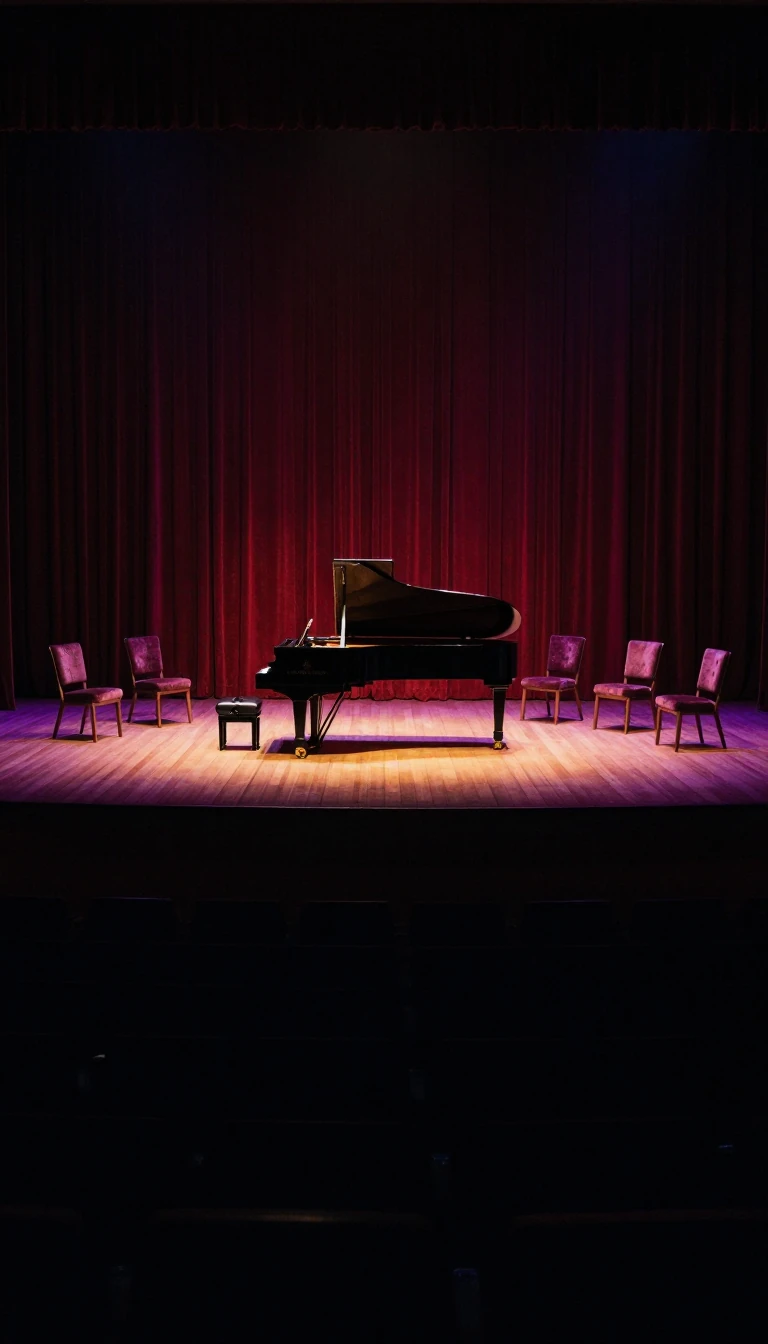
In short: When Rodgers and Hammerstein adapted James Michener’s Tales of the South Pacific, they ignored the conventional wisdom of musical theater. By centering two serious romances on racial conflict rather than comedy, they created a cultural phenomenon that challenged American attitudes while setting new standards for the 20th-century stage.
The genesis of South Pacific began with James Michener, a Quaker who enlisted in the U.S. Navy in 1942. His experiences in the Pacific theater, including a plane crash in New Caledonia and encounters with local figures like a woman on Espiritu Santo, inspired his 1947 book. Rodgers and Hammerstein, seeking a hit after the moderate success of Allegro, identified the story 'Fo' Dolla'' as the core of their next project. They eventually integrated elements from other stories, such as 'Our Heroine', to build a narrative that candidly explored racial prejudice, a theme that provoked controversy in the Southern United States.
The production was defined by its unconventional casting and collaborative intensity. They secured Ezio Pinza, a Metropolitan Opera star, for the role of Emile De Becque, which necessitated shifting the focus toward an older male lead. Mary Martin was cast as Nellie Forbush, and the team tailored the music specifically to their vocal ranges. Director Joshua Logan, who provided essential military knowledge that Hammerstein lacked, implemented innovative staging techniques like lap changes to ensure the show moved seamlessly. The rehearsal process, which began in February 1949, was marked by high energy and constant refinement, including the removal of a traditional ballet.
Upon its April 7, 1949, premiere at the Majestic Theatre, the musical was an immediate, massive success. It won ten Tony Awards and the 1950 Pulitzer Prize for Drama, running for 1,925 performances. The show's legacy is cemented by its integration of song, dialogue, and dance, and its willingness to tackle difficult social issues. Even decades later, its impact remains significant, with a 2008 revival winning seven Tonys. The work stands as a testament to the power of artistic collaboration, transforming Michener’s wartime observations into a lasting exploration of the human condition.
Opens the Intellect+ feed with this card first. Swipe up for the next one.
Sources
- Summary by Intellect · source: South Pacific (musical)
To cite this card, link to https://intellectplus.co.uk/app/music-south-pacific-musical.
How we source, check and correct cards: Editorial standards.
General information, not professional advice. Spotted an error? Flag the card or see corrections and complaints.
Intellect Plus is a visual educational discovery platform for exploring fascinating facts and ideas. Brain Food, Not Brain Rot. What is Intellect Plus?
Related
More in Music · More in Music · Latest · A–Z · All topics
