A dying composer created a sacred masterpiece that divided the eighteenth-century musical world.
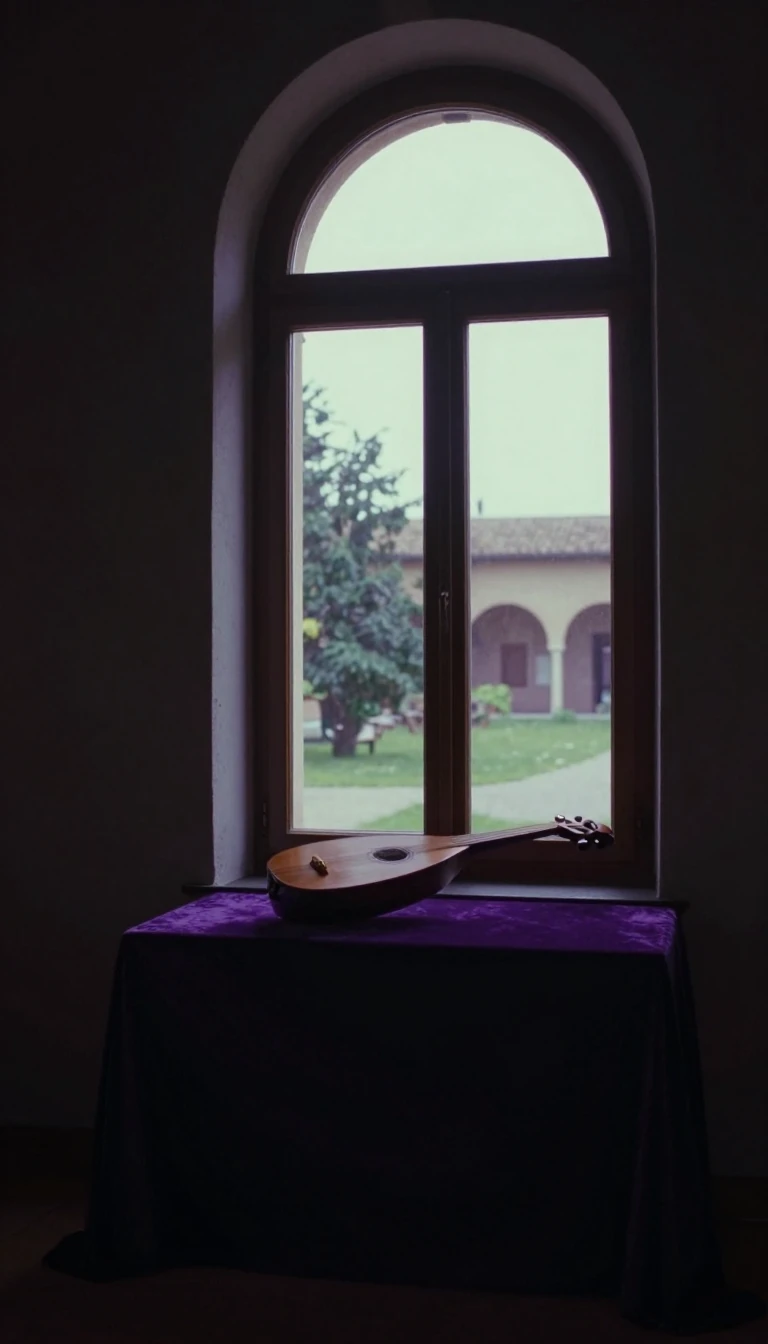
In short: Composed in the final weeks of his life, Giovanni Battista Pergolesi’s Stabat Mater remains one of the most celebrated sacred works in history. While Jean-Jacques Rousseau hailed it as a perfect duet, others condemned its operatic style as too light for the solemnity of its religious text.
In 1736, while suffering from tuberculosis in a Franciscan monastery in Pozzuoli, Giovanni Battista Pergolesi completed his setting of the Stabat Mater sequence. The work was commissioned by a Neapolitan religious brotherhood dedicated to the Virgin of Sorrows. Pergolesi finished the composition shortly before his death, leaving behind an autograph manuscript that is now preserved at the Benedictine Abbey of Monte Cassino. This manuscript serves as definitive proof of his authorship, distinguishing it from the many other works often misattributed to him.
The piece is scored for soprano and alto soloists, accompanied by two violins, viola, and basso continuo. It consists of twelve movements, many of which draw inspiration from Pergolesi’s earlier work on the Dies irae sequence. Despite its enduring popularity, the work faced significant criticism during the eighteenth century. In 1774, Padre Martini argued that the music’s light, operatic character—reminiscent of the composer’s comic opera La serva padrona—failed to capture the necessary pathos of the sacred text.
The Stabat Mater’s influence persisted long after Pergolesi’s death, inspiring numerous adaptations and reinterpretations. Johann Sebastian Bach famously created a parody cantata based on the composition, titled Tilge, Höchster, meine Sünden. Other composers, such as Giovanni Paisiello and Joseph Eybler, modified the work by expanding the orchestral accompaniment or adding a choir to replace the original duets. Today, the work stands as a testament to Pergolesi’s brief but impactful career, capturing a unique intersection of sacred tradition and the evolving operatic sensibilities of the era.
Opens the Intellect+ feed with this card first. Swipe up for the next one.
Sources
- Summary by Intellect · source: Stabat Mater (Pergolesi)
To cite this card, link to https://intellectplus.co.uk/app/music-stabat-mater-pergolesi.
How we source, check and correct cards: Editorial standards.
General information, not professional advice. Spotted an error? Flag the card or see corrections and complaints.
Intellect Plus is a visual educational discovery platform for exploring fascinating facts and ideas. Brain Food, Not Brain Rot. What is Intellect Plus?
Related
More in Music · More in Music · Latest · A–Z · All topics
