Why Schubert’s final chamber masterpiece defied convention by adding a second cello
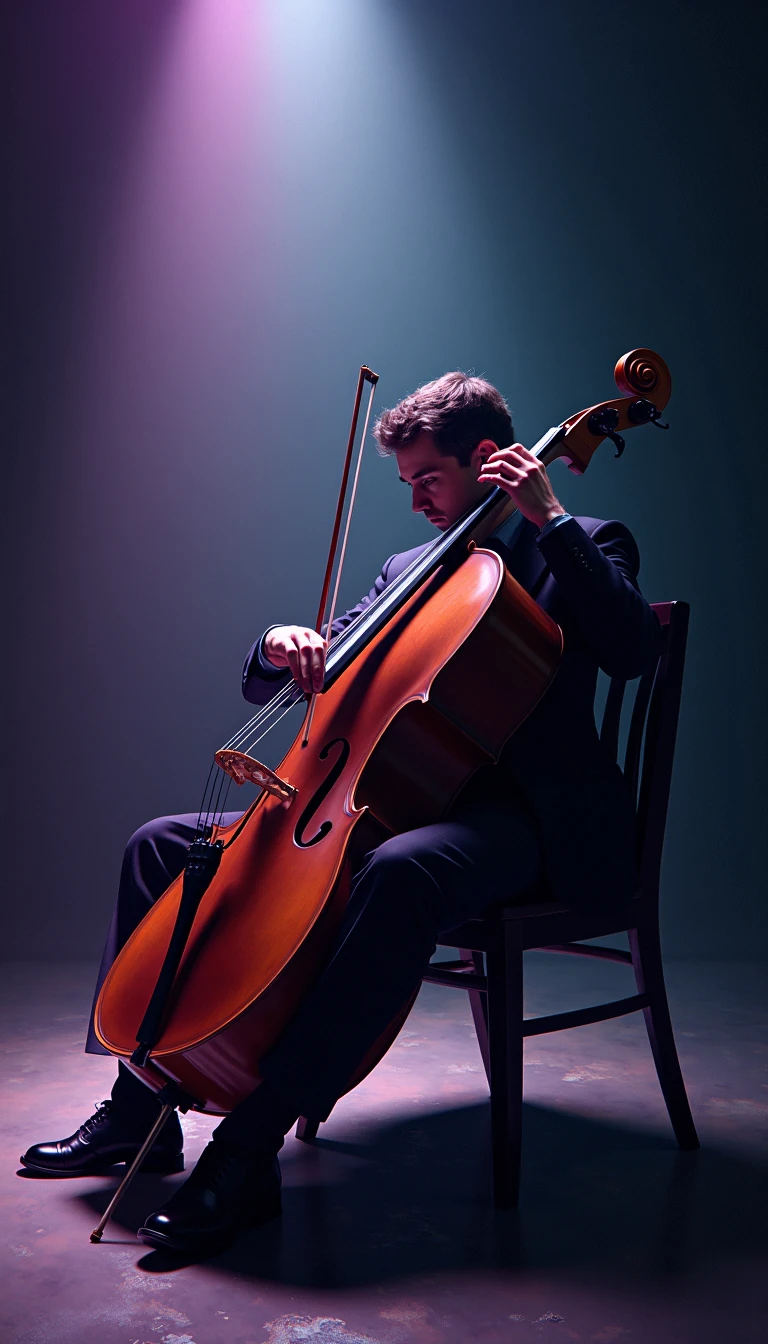
In short: Franz Schubert’s String Quintet in C major is widely considered one of the greatest compositions in chamber music history. Completed just two months before his death in 1828, the work broke tradition by replacing the standard second viola with a second cello, creating a uniquely rich and resonant lower register.
Composed in the summer or early autumn of 1828, the String Quintet (D. 956) was Schubert’s only full-fledged contribution to the genre. Despite his prolific output, Schubert was not taken seriously as a chamber music composer during his lifetime; when he submitted the work to publisher Heinrich Albert Probst, he was met with a request for more popular piano music instead. The manuscript remained unpublished until 1853, twenty-five years after the composer's death, and the first public performance did not occur until 1850 at the Musikverein in Vienna.
The quintet’s instrumentation is its most distinctive feature. While Mozart and Beethoven utilized a second viola, Schubert’s choice of a second cello—perhaps influenced by George Onslow’s use of the double bass—provided a profound depth of sound. The work follows a traditional four-movement structure, yet it is marked by daring harmonic shifts. The expansive first movement, accounting for over a third of the piece's duration, is noted for its unexpected modulations, while the Adagio is celebrated for its otherworldly tranquility contrasted by a turbulent central section in F minor.
The legacy of the quintet is immense. Brahms was profoundly influenced by the work, even modeling his own Piano Quintet in F minor after its structural and tonal relationships. Today, the piece is frequently associated with a valedictory quality, with listeners often hearing a death-haunted intensity in its final measures. From its use in film scores to its status as a benchmark for chamber ensembles, the quintet remains a high point of the repertoire, embodying the "bottomless pathos" that critics have long attributed to Schubert’s final creative period.
Opens the Intellect+ feed with this card first. Swipe up for the next one.
Sources
- Summary by Intellect · source: String Quintet (Schubert)
To cite this card, link to https://intellectplus.co.uk/app/music-string-quintet-schubert.
How we source, check and correct cards: Editorial standards.
General information, not professional advice. Spotted an error? Flag the card or see corrections and complaints.
Intellect Plus is a visual educational discovery platform for exploring fascinating facts and ideas. Brain Food, Not Brain Rot. What is Intellect Plus?
Related
More in Music · More in Music · Latest · A–Z · All topics
