Why Claude Debussy initially resisted publishing his most famous piano suite
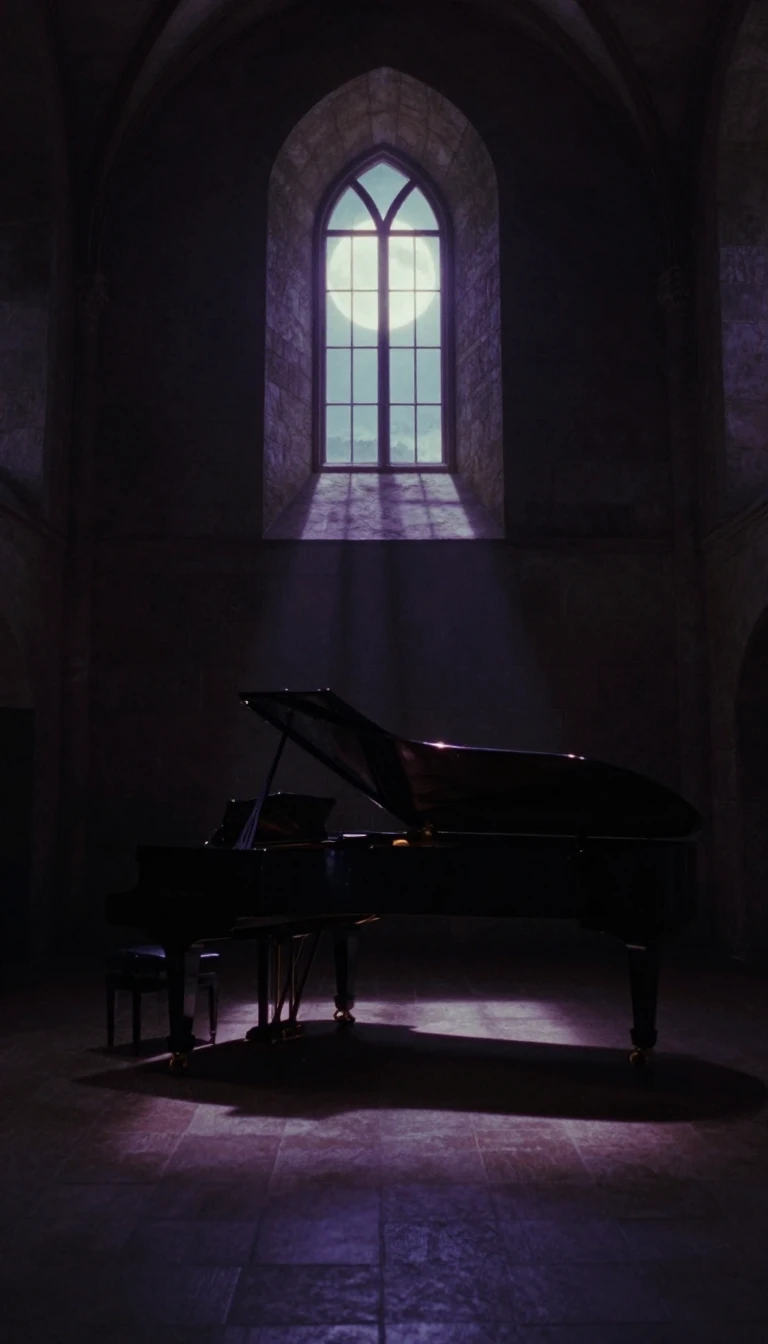
In short: Claude Debussy began his Suite bergamasque in 1890, but he was reluctant to release it years later. He felt the early compositions did not reflect his mature musical style. Yet, a publisher saw potential in the work, leading to its 1905 release and the global fame of its third movement.
The Suite bergamasque, a four-movement piano work, serves as a bridge between Debussy’s early creative years and his later, more radical innovations. While the composer started the project in 1890, he significantly revised the pieces before their eventual publication in 1905. By that time, Debussy had already established himself as a seminal force in 20th-century music, having developed a unique system of harmony that mirrored the sensibilities of Impressionist and Symbolist artists. He was initially hesitant to publish these earlier works, fearing they lacked the artistic depth of his later period, but he eventually yielded to a publisher who recognized their commercial appeal.
The suite’s most iconic segment, "Clair de lune," was originally titled "Promenade sentimentale." Both the final title and the original were inspired by the poetry of Paul Verlaine. The name "Clair de lune" refers to a folk song traditionally associated with the lovesick Pierrot in French pantomime, a character who would reappear in various forms throughout Debussy’s career. The suite itself consists of four movements: the Prélude, the Menuet, the famous "Clair de lune," and the Passepied. Each movement demonstrates Debussy’s evolving technical approach, from the smooth, legato phrases of the Prélude to the light, fluttery embellishments of the Menuet, which eschews traditional baroque accents.
The influence of the suite has extended far beyond the piano. Over the decades, it has been arranged for diverse media, including orchestrations by Leopold Stokowski and electronic renditions by Isao Tomita. "Clair de lune" was famously intended for the 1940 Disney film Fantasia, though it was cut due to runtime constraints, only to be restored decades later. From its origins in the turbulent, poverty-stricken years of Debussy’s youth to its status as a staple of modern culture, the Suite bergamasque remains a testament to the composer’s ability to gather experience from every corner of the imaginative mind.
Debussy’s life was marked by intense emotional extremes, and his early style was shaped by a "stormy" period of personal instability. He was haunted by the suicide of his first wife, Rosalie Texier, and his own struggles with similar thoughts. This intensity, combined with his exposure to diverse influences—from the Russian composers Borodin and Mussorgsky to the English Pre-Raphaelite painters—allowed him to break new ground constantly. For Debussy, musical exploration was not merely a hobby but his "musical bread and wine," a philosophy that ensured his work remained as dynamic as his own complex life.
Opens the Intellect+ feed with this card first. Swipe up for the next one.
Sources
- Summary by Intellect · source: Suite bergamasque | Claude Debussy, Impressionism, Piano | Britannica
- Also: Suite bergamasque
To cite this card, link to https://intellectplus.co.uk/app/music-suite-bergamasque.
How we source, check and correct cards: Editorial standards.
General information, not professional advice. Spotted an error? Flag the card or see corrections and complaints.
Intellect Plus is a visual educational discovery platform for exploring fascinating facts and ideas. Brain Food, Not Brain Rot. What is Intellect Plus?
Related
More in Music · More in Music · Latest · A–Z · All topics
