Is Jean Sibelius’s Second Symphony a patriotic anthem or a dark, personal confession?
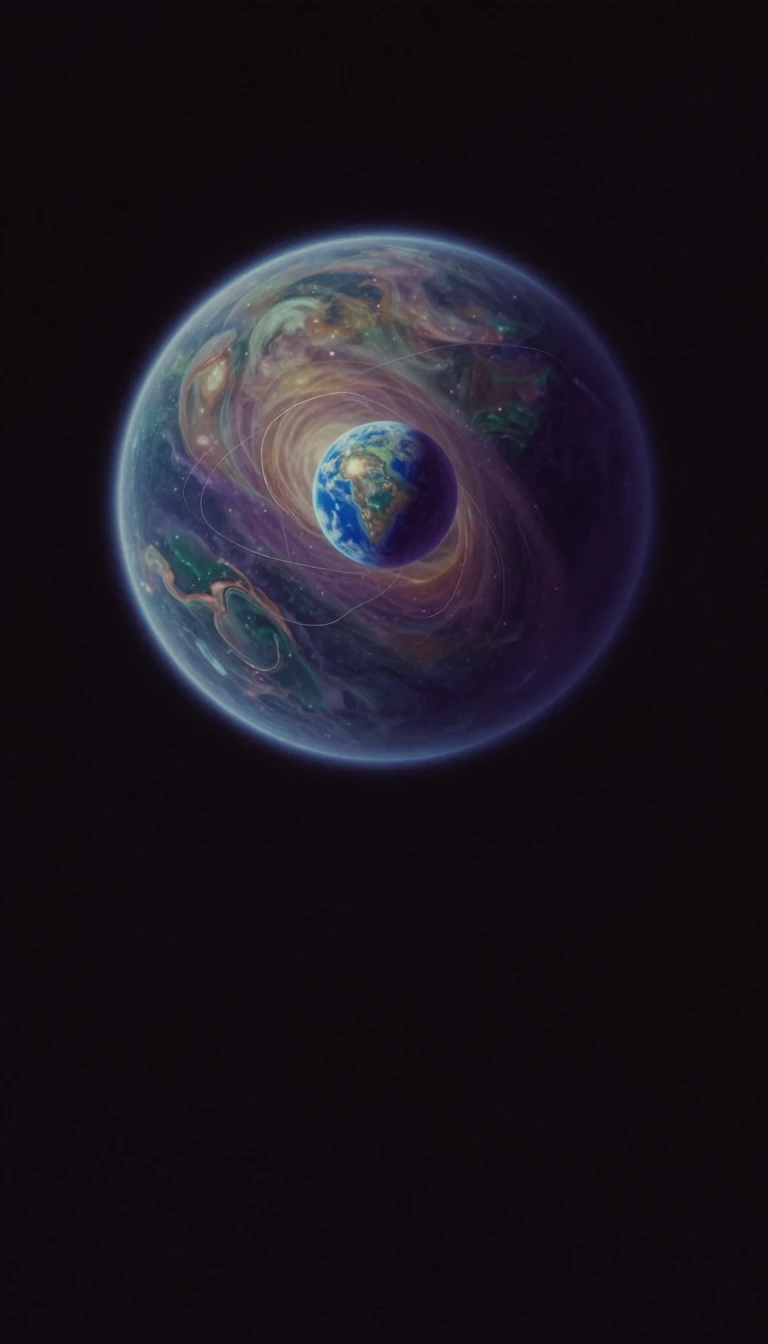
In short: Composed in Italy, Sibelius’s Second Symphony is a massive, organic work that defies easy categorization. While the public hailed it as a nationalist "Symphony of Independence" during a time of Russian political pressure, the composer himself described it as a private confession of the soul, leaving its true meaning forever debated.
Written between 1901 and 1902, the Symphony No. 2 in D major, Op. 43, emerged from a period of intense travel. Encouraged by Baron Axel Carpelan to seek the influence of Italy, Sibelius began drafting the work in a mountain villa near Rapallo. The symphony is built upon a simple, rising three-note motif that appears in various guises throughout the four movements, creating a logical, jigsaw-like structure that Sibelius admired for its severity and inner connection.
The emotional landscape of the work is complex. Sibelius’s notes from Rapallo reveal dark inspirations, including a vision of death and a "Christus" theme that may symbolize resurrection. While some scholars link the second movement to Dante’s Divine Comedy, others interpret the music as a protest against injustice. The scherzo introduces a frantic, machine-gun-like energy, while the final movement builds toward a triumphant, regal conclusion that many listeners have historically associated with Finland’s struggle for independence.
Reception of the work has been sharply polarized. Upon its 1902 premiere in Helsinki, critics were divided, though the public response was overwhelmingly positive. Later, while some praised it as a symphonic achievement comparable to Beethoven, others like Virgil Thomson dismissed it as vulgar and provincial. Despite these conflicting views, the symphony remains a staple of the repertoire, with notable recordings by conductors like Robert Kajanus, Serge Koussevitzky, and Sir Colin Davis, who have each sought to capture its elusive, shifting spirit.
Opens the Intellect+ feed with this card first. Swipe up for the next one.
Sources
- Summary by Intellect · source: Symphony No. 2 (Sibelius)
To cite this card, link to https://intellectplus.co.uk/app/music-symphony-no-2-sibelius.
How we source, check and correct cards: Editorial standards.
General information, not professional advice. Spotted an error? Flag the card or see corrections and complaints.
Intellect Plus is a visual educational discovery platform for exploring fascinating facts and ideas. Brain Food, Not Brain Rot. What is Intellect Plus?
Related
More in Music · More in Music · Latest · A–Z · All topics
