Anton Bruckner’s final symphony was a decade-long struggle to reach the divine.
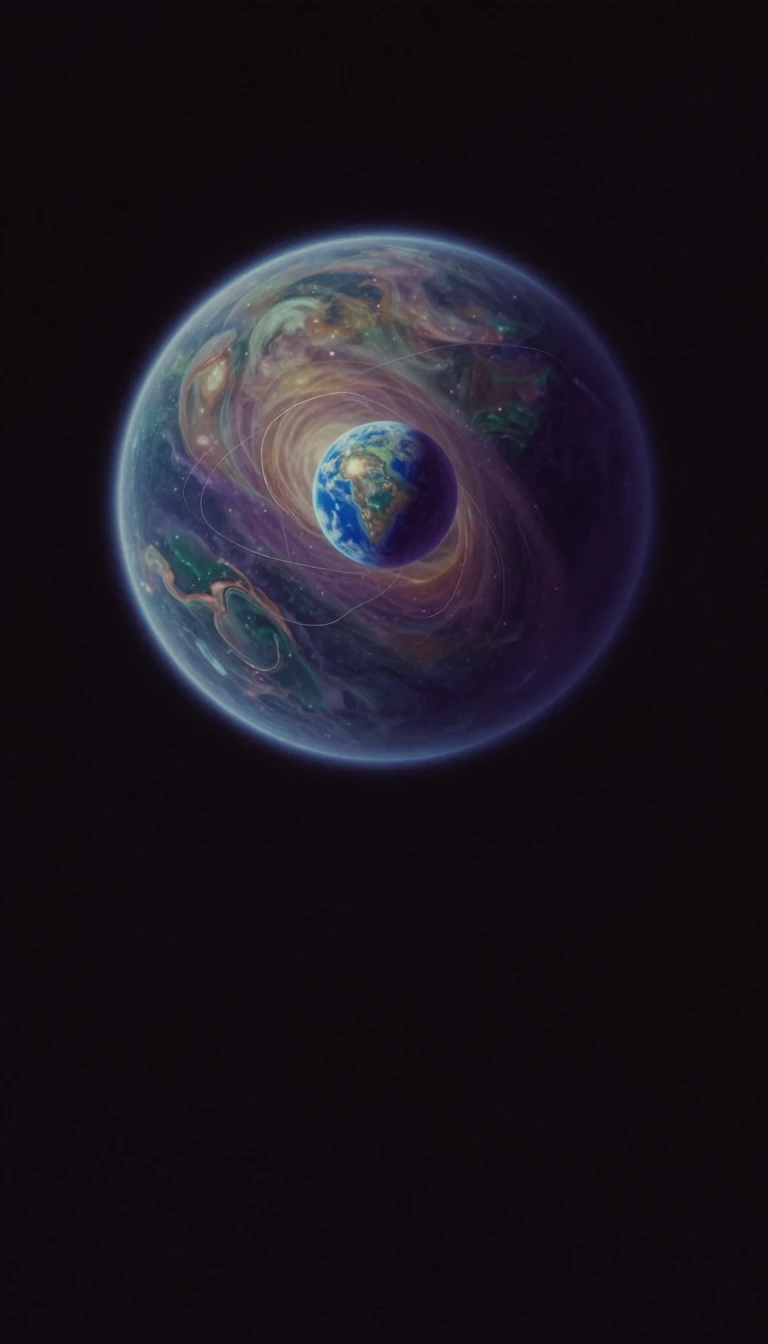
In short: Dedicated to the beloved God, Bruckner’s Ninth Symphony remains a monumental, unfinished masterpiece. Spanning nearly a decade of composition, the work pushed the boundaries of 19th-century harmony and symphonic structure. Though he died before completing the finale, the three existing movements stand as a profound, archetypal exploration of sound.
Anton Bruckner began sketching his Ninth Symphony in August 1887, immediately after completing the first version of his Eighth. The project was plagued by frequent interruptions, including extensive revisions to his earlier symphonies and declining health. By the time of his death in 1896, the finale remained incomplete, leaving the symphony as a three-movement work that some critics describe as a massive arch with two slow movements flanking an energetic Scherzo.
The symphony represents the culmination of Bruckner’s aural development. He expanded the orchestra to include eight horns and Wagner tubas, using them not just for mass, but for complex, inseparable textures. His harmonic language was radical for the era, featuring the emancipation of dissonance, chromaticism, and the weakening of traditional tonality. Musicologist Albrecht von Mossow notes that Bruckner treated timbre as an almost independent parameter, pushing the limits of the sonata form by merging development and recapitulation into a unified, processual structure.
Because the finale was left as a collection of sketches, numerous musicologists have attempted to reconstruct it, with versions by William Carragan, Nors S. Josephson, and others ranging from 20 to 25 minutes in length. The symphony’s premiere in 1903 was heavily altered by conductor Ferdinand Löwe, who adjusted the orchestration to sound more Wagnerian. It was not until 1932 that Siegmund von Hausegger performed the original score, finally revealing the true, stark vision Bruckner intended for his final dedication to the divine.
Opens the Intellect+ feed with this card first. Swipe up for the next one.
Sources
- Summary by Intellect · source: Symphony No. 9 (Bruckner)
To cite this card, link to https://intellectplus.co.uk/app/music-symphony-no-9-bruckner.
How we source, check and correct cards: Editorial standards.
General information, not professional advice. Spotted an error? Flag the card or see corrections and complaints.
Intellect Plus is a visual educational discovery platform for exploring fascinating facts and ideas. Brain Food, Not Brain Rot. What is Intellect Plus?
Related
More in Music · More in Music · Latest · A–Z · All topics
