Rossini’s masterpiece, The Barber of Seville, was a chaotic disaster at its 1816 premiere.
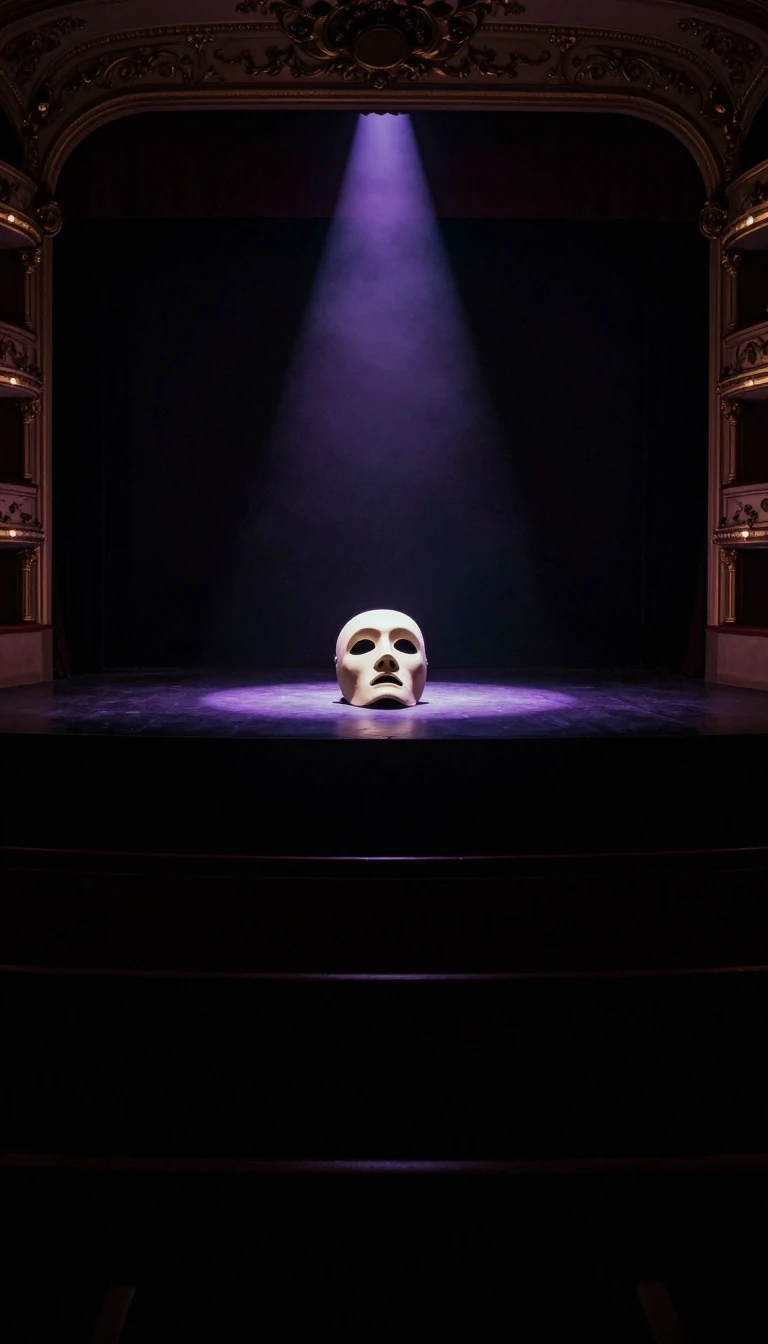
In short: Today considered the ultimate comic opera, Gioachino Rossini’s The Barber of Seville faced a disastrous opening night in Rome. Hissing audiences, on-stage accidents, and a rival composer’s sabotage nearly doomed the work. Yet, within a single performance, the opera transformed into a triumph that has endured for over two centuries.
Composed in under three weeks, Rossini’s opera is based on the 1775 comedy by Pierre Beaumarchais. While the work is now a staple of the operatic repertoire, its 20 February 1816 premiere at Rome’s Teatro Argentina was marred by mob mentality. Supporters of Giovanni Paisiello, who had composed his own version of the story in 1782, actively disrupted the performance to protest what they viewed as an affront to the veteran composer’s style. Despite the initial failure, the second performance was successful, and the work eventually secured its place as a masterpiece of the genre.
The opera’s history is marked by significant performance shifts, particularly regarding the role of Rosina. Originally written for a contralto, the part has frequently been transposed for coloratura sopranos, a practice criticized by some musicologists as a distortion of Rossini’s intentions. Rossini himself was known to adapt his music for specific singers, even composing a new aria for soprano Joséphine Fodor-Mainvielle around 1820. These vocal adjustments, alongside the common practice of inserting show-stopping cabaret-style pieces during the act two singing lesson, demonstrate the evolving nature of the work in performance.
The production also faced structural changes over time. Count Almaviva’s bravura aria, 'Cessa di più resistere', was omitted from most performances for decades, though it has seen a resurgence in modern productions. The opera’s overture, famously recycled from two of Rossini’s earlier works, contains no thematic material from the opera itself. Despite these quirks and the initial chaos of its debut, the work remains a defining example of opera buffa, celebrated for its wit and the enterprising character of Figaro, the barber who orchestrates the central plot.
Opens the Intellect+ feed with this card first. Swipe up for the next one.
Sources
- Summary by Intellect · source: The Barber of Seville
To cite this card, link to https://intellectplus.co.uk/app/music-the-barber-of-seville.
How we source, check and correct cards: Editorial standards.
General information, not professional advice. Spotted an error? Flag the card or see corrections and complaints.
Intellect Plus is a visual educational discovery platform for exploring fascinating facts and ideas. Brain Food, Not Brain Rot. What is Intellect Plus?
Related
More in Music · More in Music · Latest · A–Z · All topics
