How a violent, rejected play became one of history's most successful operas
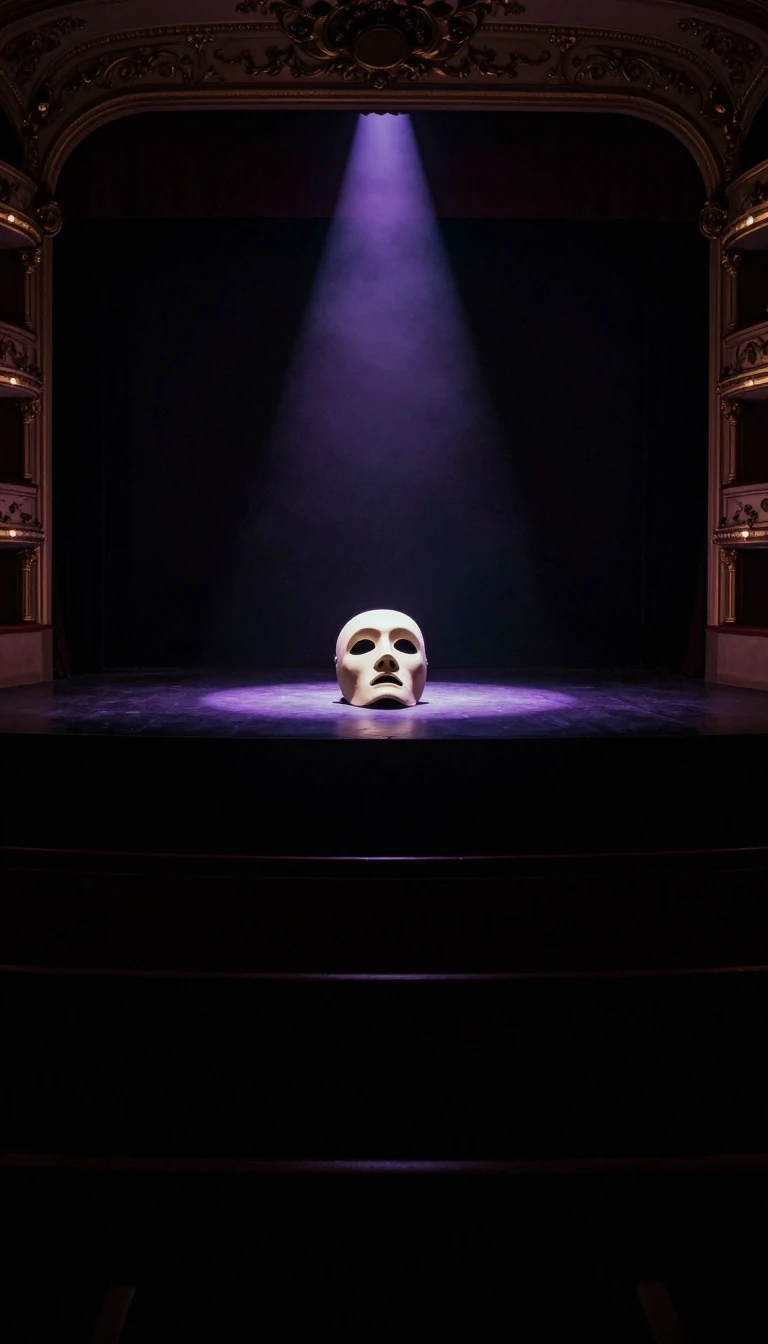
In short: Giacomo Puccini’s Tosca was dismissed by critics as a shabby shocker, yet it remains a global staple. Born from a French melodrama that composers initially feared to touch, the opera’s journey to the stage was marked by intense creative clashes, political threats, and a relentless pursuit of authentic Roman atmosphere.
The opera is based on Victorien Sardou’s 1887 play, La Tosca, which Puccini first saw in 1889. The path to adaptation was fraught with difficulty; librettist Luigi Illica initially advised against the project, and the composer Alberto Franchetti even surrendered the rights after struggling to find the music within the violent narrative. Puccini eventually secured the project in 1895, but the process of condensing the wordy French play into a tight, three-act Italian opera took four years of heated arguments with his collaborators.
Puccini’s commitment to realism was obsessive. He traveled to Rome to measure the sound of church bells from the ramparts of the Castel Sant'Angelo, ordering custom bells from four different foundries to ensure the opening of the third act felt authentic. He even sought out a local poet to write the shepherd boy's song in the Romanesco dialect. Despite his efforts, some of these expensive touches, like the bells, were criticized as unnecessary follies that went largely unnoticed by the public.
The premiere at Rome’s Teatro Costanzi on 14 January 1900 was a high-stakes event, delayed by one day due to fears of anarchist bombings. While critics offered indifferent reviews, the public embraced the work immediately. The opera’s structure, which weaves arias and recitative into a through-composed whole using Wagnerian leitmotifs, remains a subject of debate. While some musicologists have labeled it a facile melodrama, its dramatic force and the inventiveness of its orchestration have secured its place as one of the most frequently performed works in the operatic canon.
Opens the Intellect+ feed with this card first. Swipe up for the next one.
Sources
- Summary by Intellect · source: Tosca
To cite this card, link to https://intellectplus.co.uk/app/music-tosca.
How we source, check and correct cards: Editorial standards.
General information, not professional advice. Spotted an error? Flag the card or see corrections and complaints.
Intellect Plus is a visual educational discovery platform for exploring fascinating facts and ideas. Brain Food, Not Brain Rot. What is Intellect Plus?
Related
More in Music · More in Music · Latest · A–Z · All topics
