How a classically trained engineer brought the synthesizer into the mainstream consciousness
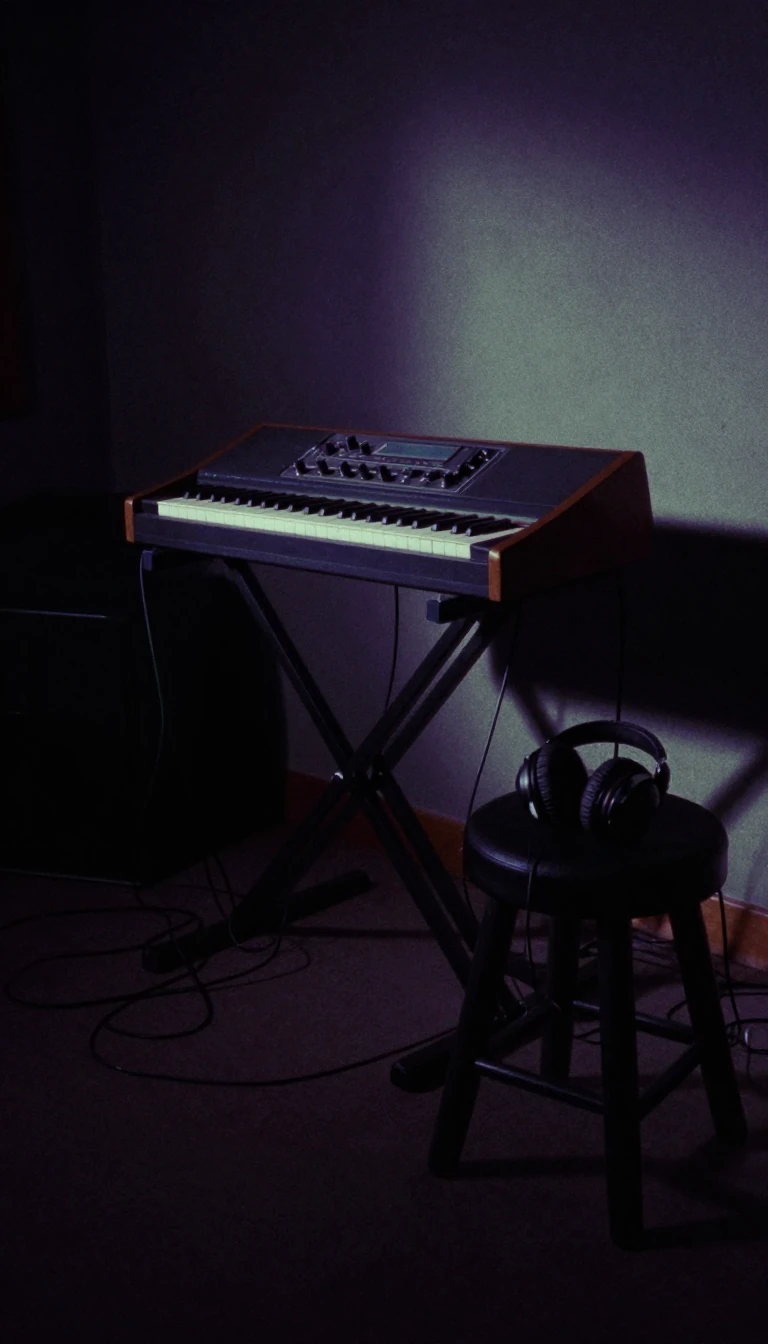
In short: Before 1968, synthesizers were largely reserved for dissonant, experimental noise. Wendy Carlos changed everything by applying her dual expertise in physics and music to the Moog synthesizer. Her breakthrough album, Switched-On Bach, proved that electronic instruments could achieve the stability, harmony, and expressive nuance required for mainstream musical success.
Born in 1939, Wendy Carlos displayed an early aptitude for both engineering and composition, winning a Westinghouse Science Fair scholarship at 14 for a computer design and composing her first piece by age ten. After studying music and physics at Brown University and earning a master’s degree at Columbia, she began working with electronic music pioneers. In 1964, she met Robert Moog, beginning a collaboration that would define the future of electronic music. Carlos provided critical technical feedback on Moog’s modular synthesizers, specifically suggesting the addition of a filter bank and the touch-sensitive keyboard that allowed for greater musical dynamics.
In 1967, Carlos began the laborious process of recording Switched-On Bach. Because the synthesizer was monophonic—capable of playing only one note at a time—she had to record each part individually using a custom eight-track tape recorder. The project required about 1,000 hours of manual work, including constant retuning and calibration of the electronic equipment. Released in October 1968, the album became a cultural phenomenon, reaching No. 10 on the Billboard 200 and holding the top spot on the classical chart for over three years. It was certified gold within a year and eventually became the first electronic album to achieve platinum status.
The success of Switched-On Bach was a watershed moment for the recording industry, praised by peers like Glenn Gould as a startling achievement. By demonstrating that synthesizers could produce consonance and emotional depth, Carlos moved the instrument from the fringe of experimental sound into the popular consciousness. Her work paved the way for a wave of electronic adaptations of classical music and cemented her legacy as a foundational figure in both music and technology. Beyond her technical contributions, Carlos’s life as an openly transgender woman also provided significant visibility for trans people in the arts.
Opens the Intellect+ feed with this card first. Swipe up for the next one.
Sources
- Summary by Intellect · source: Wendy Carlos | Electronic Musician, Synthesizer, Switched-On Bach, & Life | Britannica
- Also: Wendy Carlos
To cite this card, link to https://intellectplus.co.uk/app/music-wendy-carlos.
How we source, check and correct cards: Editorial standards.
General information, not professional advice. Spotted an error? Flag the card or see corrections and complaints.
Intellect Plus is a visual educational discovery platform for exploring fascinating facts and ideas. Brain Food, Not Brain Rot. What is Intellect Plus?
Related
More in Musicians and composers · More in Music · Latest · A–Z · All topics
