Why the analog synthesizer survived the digital revolution to define modern sound
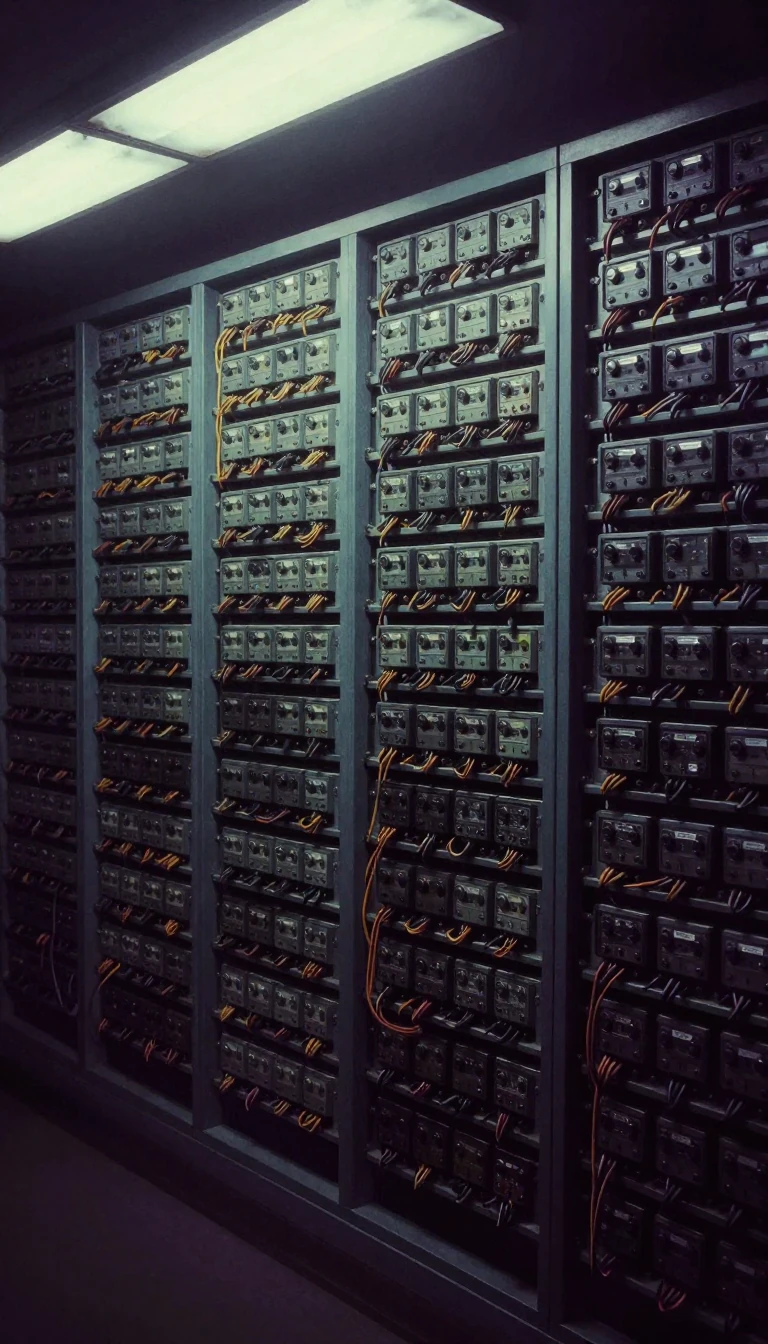
In short: Long dismissed as obsolete, the analog synthesizer has returned to the center of music production. By trading sterile digital screens for tactile knobs and voltage-controlled circuits, musicians are rediscovering the warmth of analog distortion. It is a story of how vintage hardware became the bedrock of contemporary electronic sound.
The analog synthesizer generates sound through electronic circuits and signals rather than digital code. Early iterations in the 1920s and 1930s relied on vacuum tubes and electro-mechanical parts, such as the Trautonium or the Hammond Novachord. By the 1960s, modular systems like those from Moog Music and ARP Instruments utilized patch cables to connect independent modules—oscillators, filters, and amplifiers—mimicking the complexity of telephone switchboards. These machines were powerful but notoriously difficult to manage, as complex patches were time-consuming to recreate and prone to intermittent faults.
The 1970 Minimoog marked a turning point, replacing modular patch cables with 'normalization,' a pre-patched internal signal routing system that made the instrument portable and accessible. This design, featuring a keyboard and integrated signal flow, became the industry standard. However, by the late 1980s, digital synthesizers and samplers had largely pushed analog gear out of the mainstream. It was not until the 1990s that techno and rave producers, seeking affordable equipment, rediscovered the unique sonic character of these older machines. This resurgence was driven by a desire for the 'warmth' of analog sound—a quality attributed to the mild distortion occurring when analog audio paths are overloaded.
Today, the analog synthesizer thrives through a mix of reissued classics, new hardware from companies like Korg and Behringer, and the booming Eurorack modular format. Modern producers often blend this hardware with digital audio workstations, valuing the tactile, hands-on experience of physical knobs and faders over the screen-based interfaces of software. While some argue that analog and digital are simply different methods of sound generation, the enduring appeal of the analog synthesizer lies in its ability to provide a less 'sterile' sound, ensuring its place in film scores, pop productions, and experimental music for decades to come.
Opens the Intellect+ feed with this card first. Swipe up for the next one.
Sources
- Summary by Intellect · source: Analog synthesizer
To cite this card, link to https://intellectplus.co.uk/app/music-analog-synthesizer.
How we source, check and correct cards: Editorial standards.
General information, not professional advice. Spotted an error? Flag the card or see corrections and complaints.
Intellect Plus is a visual educational discovery platform for exploring fascinating facts and ideas. Brain Food, Not Brain Rot. What is Intellect Plus?
Related
More in Music · More in Music · Latest · A–Z · All topics
