The elusive African golden cat is a master of camouflage in deep rainforests
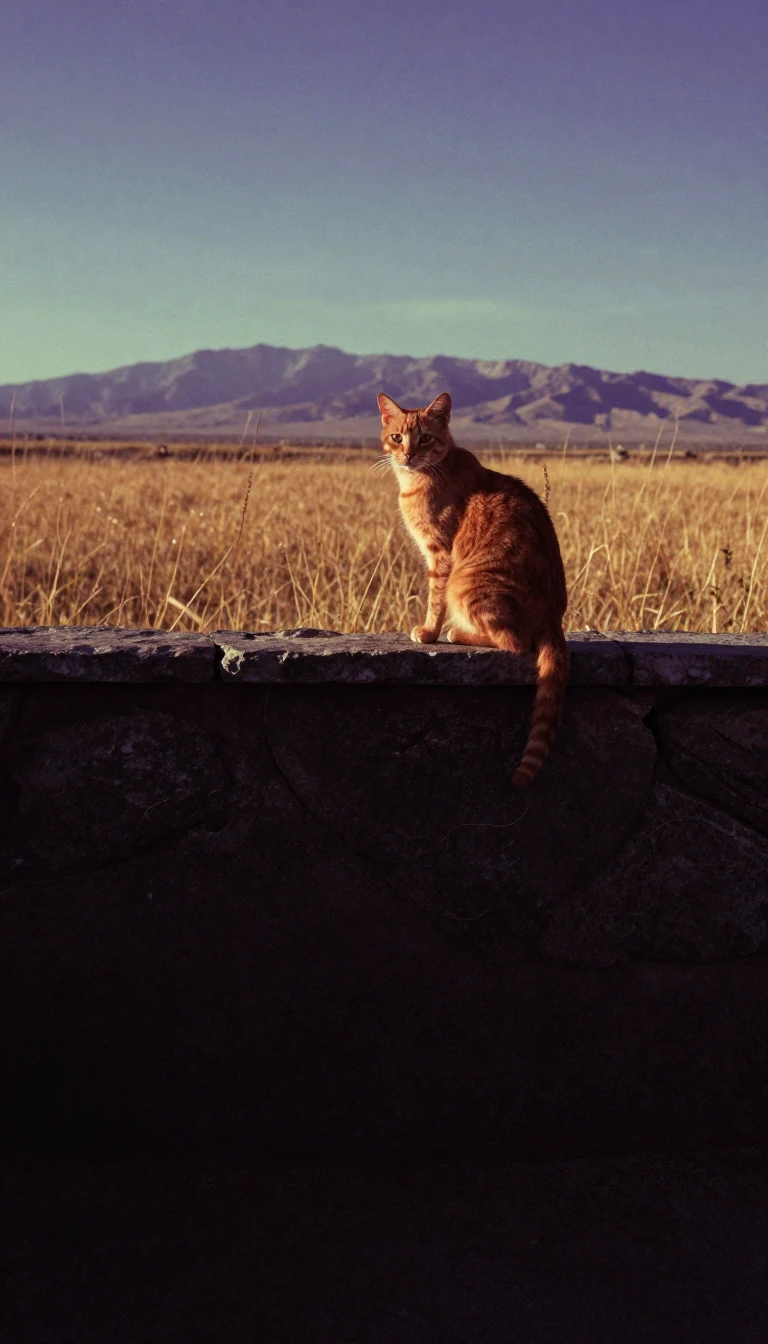
In short: Twice the size of a house cat, this secretive predator dwells within the dense, humid jungles of West and Central Africa. Despite its striking coat, which ranges from fiery red to slate grey, the species remains one of the continent's most mysterious and least-studied wild felines.
The African golden cat, scientifically classified as Caracal aurata, is a robust inhabitant of tropical environments, ranging from sea level up to 3,000 meters. Its physical appearance is highly variable; individuals may display solid colors or intricate spotting patterns, with a distinctive whorled ridge of fur appearing in front of the shoulders. These cats are heavily built, possessing large paws and a rounded head that appears small relative to their stocky frames. Males generally outweigh females, with total body weights spanning 5.5 to 16 kilograms.
Phylogenetic research reveals that this species belongs to the Caracal lineage, a group that diverged nearly 8.5 million years ago. It shares a close evolutionary history with the caracal and the serval. Because of these genetic ties, the cat was moved from the genus Profelis to its current classification within the genus Caracal. Since 2017, scientists have recognized two distinct subspecies: one residing east of the Congo River and another found west of the Cross River.
Life for these cats is defined by extreme reclusiveness, making wild observations rare. They are primarily solitary and crepuscular, though they may hunt during daylight hours depending on prey availability. Their diet is diverse, consisting of rodents, tree hyraxes, birds, and small monkeys. Despite their agility and ability to climb, they primarily hunt on the ground. Reproductive data, gathered mostly from captive specimens, indicates a gestation period of approximately 75 days, with kittens showing remarkable physical development within their first few weeks of life.
The species faces significant survival challenges, including habitat loss from deforestation, mining, and road construction, as well as the pressures of bushmeat hunting. Listed as Vulnerable on the IUCN Red List, the cat is protected by various national regulations across its range and is included in CITES Appendix II. While camera traps have provided rare glimpses into their lives in places like Uganda and Gabon, much of their natural behavior in the wild remains a mystery.
Opens the Intellect+ feed with this card first. Swipe up for the next one.
Sources
- Summary by Intellect · source: African golden cat
- Also: African Golden Cat (Caracal auratus)
To cite this card, link to https://intellectplus.co.uk/app/nature-african-golden-cat.
How we source, check and correct cards: Editorial standards.
General information, not professional advice. Spotted an error? Flag the card or see corrections and complaints.
Intellect Plus is a visual educational discovery platform for exploring fascinating facts and ideas. Brain Food, Not Brain Rot. What is Intellect Plus?
Related
More in Organisms · More in Nature · Latest · A–Z · All topics
