The Aran Islands are a living laboratory of limestone, ancient history, and resilient culture.
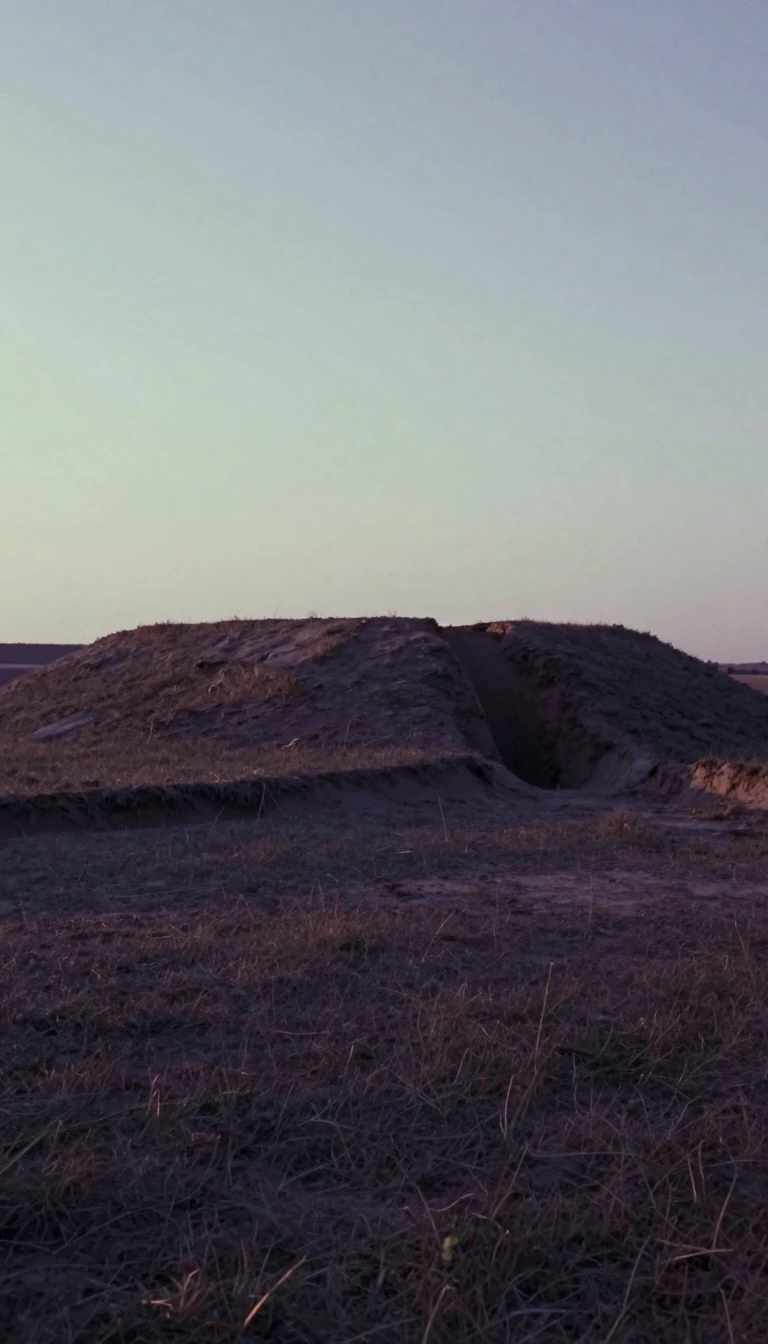
In short: Off the west coast of Ireland, the Aran Islands defy their barren geology. With no natural topsoil, early settlers engineered a fertile landscape using seaweed and sand. Today, this unique glacio-karst environment supports a rare mix of arctic and Mediterranean flora, while preserving a deep, enduring Irish-speaking heritage.
Formed 350 million years ago in a tropical sea, the Aran Islands are a masterpiece of glacio-karst geology. Composed of Carboniferous limestone, the islands lack natural soil, forcing inhabitants to innovate. Centuries ago, settlers created artificial earth by layering sand and seaweed over the rock, enclosing these plots with 1,600 kilometers of drystone walls. This harsh environment, shaped by the last glacial period, now hosts a remarkable botanical convergence where arctic, alpine, and Mediterranean species thrive side-by-side in the moisture-rich crevices of the limestone pavement.
The islands have long served as a sanctuary. Prehistoric forts like Dún Aonghasa, dating to 1100 BC, stand on cliffs 100 meters above the Atlantic. By the early Christian period, the islands became a spiritual hub; Enda of Aran founded a monastery in AD 490, and saints like Columba dubbed the archipelago the 'Sun of the West.' This isolation fostered a distinct, self-sufficient culture, characterized by traditional clachan settlements and the development of the currach, a unique boat essential for survival in the Atlantic.
Culturally, the islands remain a vital Gaeltacht, where Irish is the primary language. However, this identity faces modern pressures. While the population once reached 3,500 in 1841, it has dwindled to 1,347 as of 2022, with many young people departing for the mainland. Despite this, the islands continue to inspire. From the literary works of J.M. Synge to the documentary lens of Robert J. Flaherty, the Arans have been viewed as a 'time capsule' of Irish life. Today, they remain a site of both scientific interest and cultural preservation, standing as a testament to human ingenuity in a landscape that offers nothing for free.
Opens the Intellect+ feed with this card first. Swipe up for the next one.
Sources
- Summary by Intellect · source: Aran Islands
To cite this card, link to https://intellectplus.co.uk/app/nature-aran-islands.
How we source, check and correct cards: Editorial standards.
General information, not professional advice. Spotted an error? Flag the card or see corrections and complaints.
Intellect Plus is a visual educational discovery platform for exploring fascinating facts and ideas. Brain Food, Not Brain Rot. What is Intellect Plus?
Related
More in UK & Ireland: nature · More in Nature · Latest · A–Z · All topics
