Shrinking Arctic sea ice is triggering a cascade of extreme winter weather globally
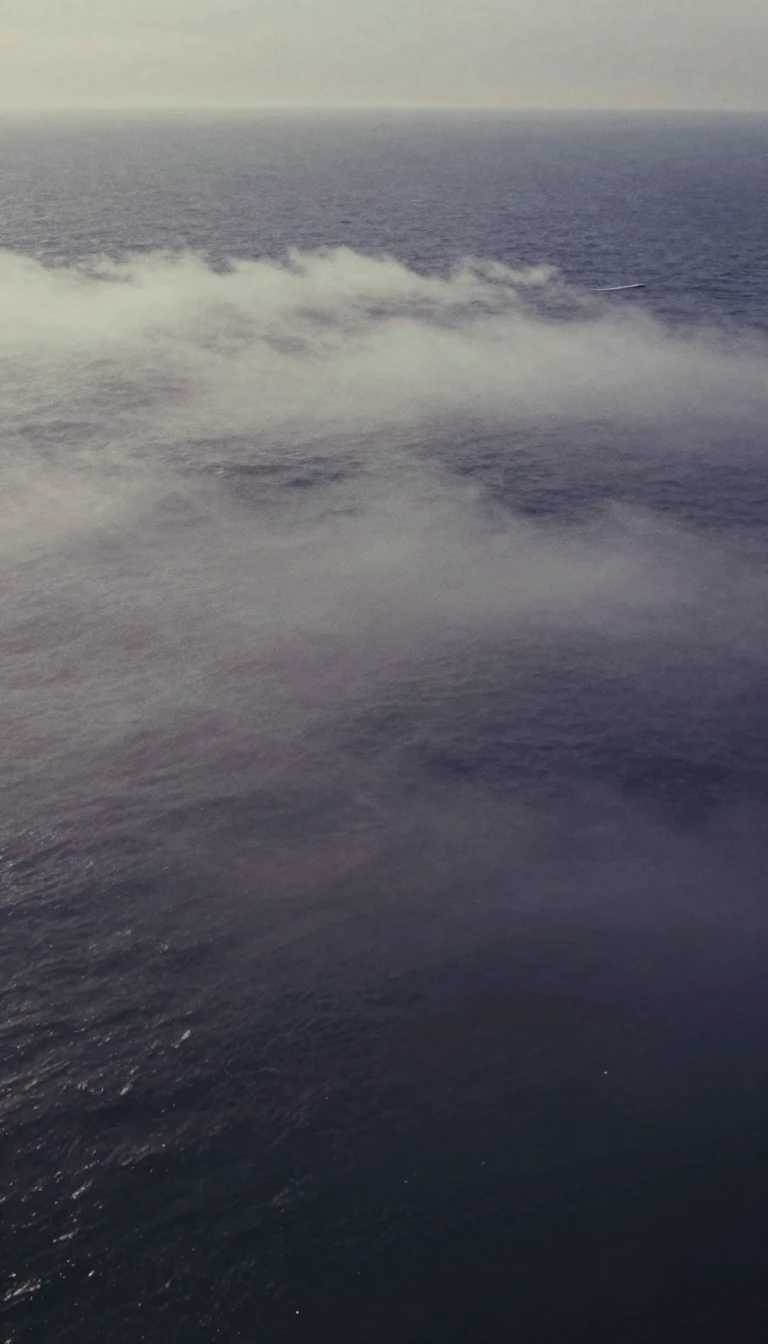
In short: The Arctic is losing its protective shield of thick, multi-year ice, leaving behind a younger, fragile surface. This transformation is not just a local crisis; it is fundamentally altering atmospheric circulation, driving sudden stratospheric warmings that send brutal cold waves crashing into continents across the Northern Hemisphere.
Arctic sea ice acts as a vital regulator of global climate, managing heat and moisture exchange between the ocean and atmosphere. However, the region is warming at roughly four times the global average. As the ice retreats, the ocean absorbs 90% of solar energy—a process known as ice-albedo feedback—which further accelerates warming and delays winter ice formation. Today, the Arctic is dominated by thin, first-year ice, with the oldest, thickest layers having largely vanished.
This loss of ice is disrupting the stratospheric polar vortex, a massive band of cold air circling the pole. When sea ice declines, particularly in the Barents-Kara Sea, it modulates planetary wave activity, often weakening the vortex. This weakening can trigger sudden stratospheric warming (SSW) events, where temperatures in the polar stratosphere spike rapidly. These events are increasingly frequent; while rare in the 1990s, they have occurred regularly since 2000, sometimes appearing in rapid succession within a single winter.
The consequences are felt far beyond the Arctic. When the polar vortex weakens, it can induce negative phases of the Arctic Oscillation, allowing frigid air to break out southward. Recent winters have seen multi-SSW events linked to severe cold outbreaks in regions as diverse as North India, the United Kingdom, and the United States. While some debate the exact mechanics, evidence suggests that the loss of Arctic sea ice is a primary driver of this increased midlatitude weather volatility, effectively exporting the Arctic's instability to the rest of the world.
Opens the Intellect+ feed with this card first. Swipe up for the next one.
Sources
- Summary by Intellect · source: Arctic sea ice decline, increasing successive sudden stratospheric warmings and cold northern hemisphere continents - Communications Earth & Environment
- Also: Arctic Sea Ice Near Historic Low; Antarctic Ice Continues Decline - NASA
- Also: Arctic sea ice decline
To cite this card, link to https://intellectplus.co.uk/app/nature-arctic-sea-ice-decline.
How we source, check and correct cards: Editorial standards.
General information, not professional advice. Spotted an error? Flag the card or see corrections and complaints.
Intellect Plus is a visual educational discovery platform for exploring fascinating facts and ideas. Brain Food, Not Brain Rot. What is Intellect Plus?
Related
More in Air · More in Nature · Latest · A–Z · All topics
