Why the twelve-horned swamp deer is a masterclass in wildlife recovery
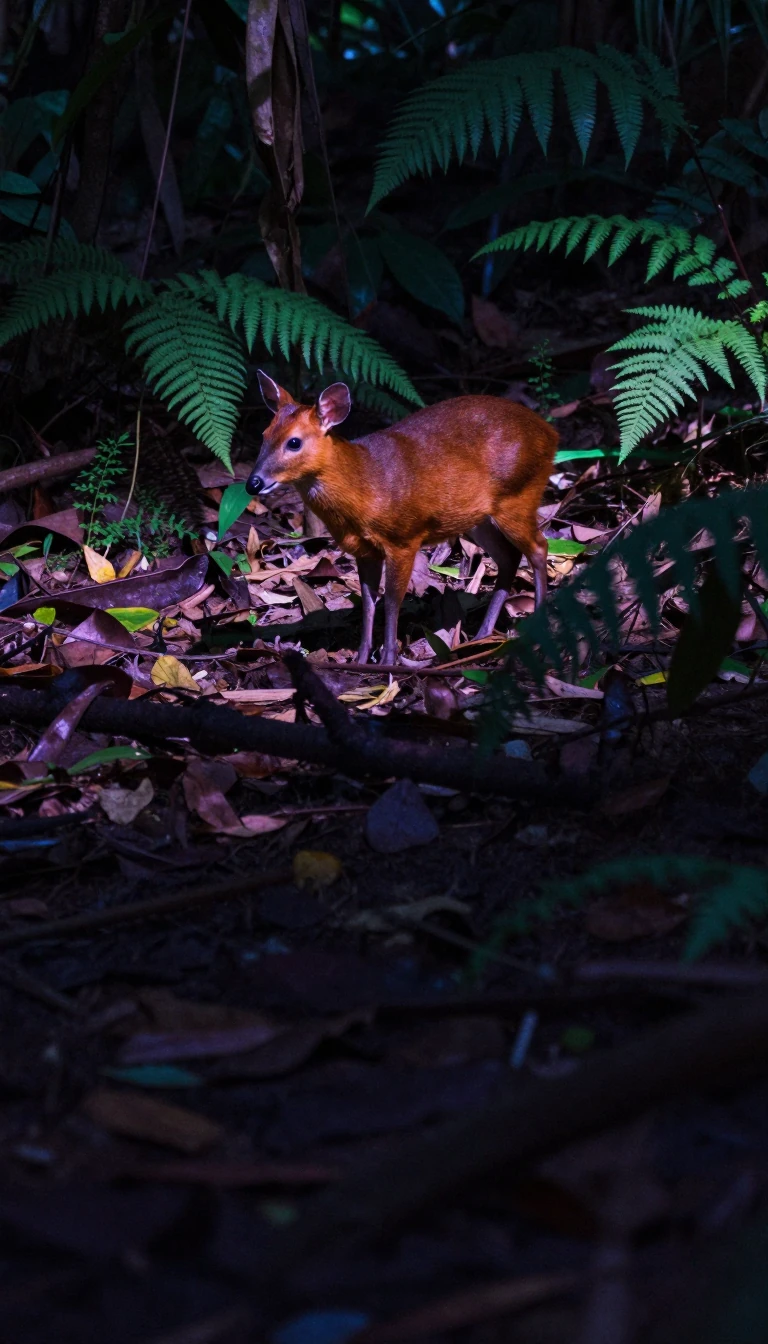
In short: Known as the barasingha, this unique deer species is named for its distinctive antlers, which carry more than three tines. Once pushed to the brink of extinction by habitat loss and poaching, the swamp deer has become the subject of one of India's most significant conservation success stories in recent decades.
The barasingha, or Rucervus duvaucelii, is a large deer native to the Indian subcontinent, distinguished from all other Indian deer by its complex, multi-tined antlers. While the name bārah-singgā translates to twelve-horned in Hindi, mature stags often sport between 10 and 14 tines, with some reaching up to 20. These animals are physically imposing, with stags weighing up to 280 kilograms and standing nearly 120 centimeters at the shoulder. They are primarily grazers, feeding on grasses and aquatic plants, and are known for being more relaxed than other deer, often spending more time grazing than acting as sentries.
The species is divided into three recognized subspecies, each adapted to specific environments. The western swamp deer thrives in the flooded grasslands of the Indo-Gangetic Plain, while the southern or hard-ground swamp deer is uniquely adapted to the hard soil of open sal forests. The eastern swamp deer is found in Assam. Historically, these deer were common across the Indus and Narmada valleys, but by the mid-20th century, their range had become severely fragmented due to the conversion of wetlands into cropland and unregulated hunting.
The recovery of the barasingha is a landmark achievement in conservation. In the late 1960s, the species was critically endangered, with the hard-ground population in Kanha Tiger Reserve plummeting to just 66 individuals by 1970. Intensive management, including grassland restoration and strict limitations on livestock grazing to prevent disease, allowed the population to rebound. By the 2020s, the Kanha population neared 1,000 individuals, enabling reintroduction efforts in reserves like Satpura and Bandhavgarh. Despite this progress, the species remains threatened by poaching and habitat degradation, keeping it listed on CITES Appendix I.
Opens the Intellect+ feed with this card first. Swipe up for the next one.
Sources
- Summary by Intellect · source: Barasingha
To cite this card, link to https://intellectplus.co.uk/app/nature-barasingha.
How we source, check and correct cards: Editorial standards.
General information, not professional advice. Spotted an error? Flag the card or see corrections and complaints.
Intellect Plus is a visual educational discovery platform for exploring fascinating facts and ideas. Brain Food, Not Brain Rot. What is Intellect Plus?
Related
More in Organisms · More in Nature · Latest · A–Z · All topics
