Why the most common horse coat color is a complex genetic puzzle
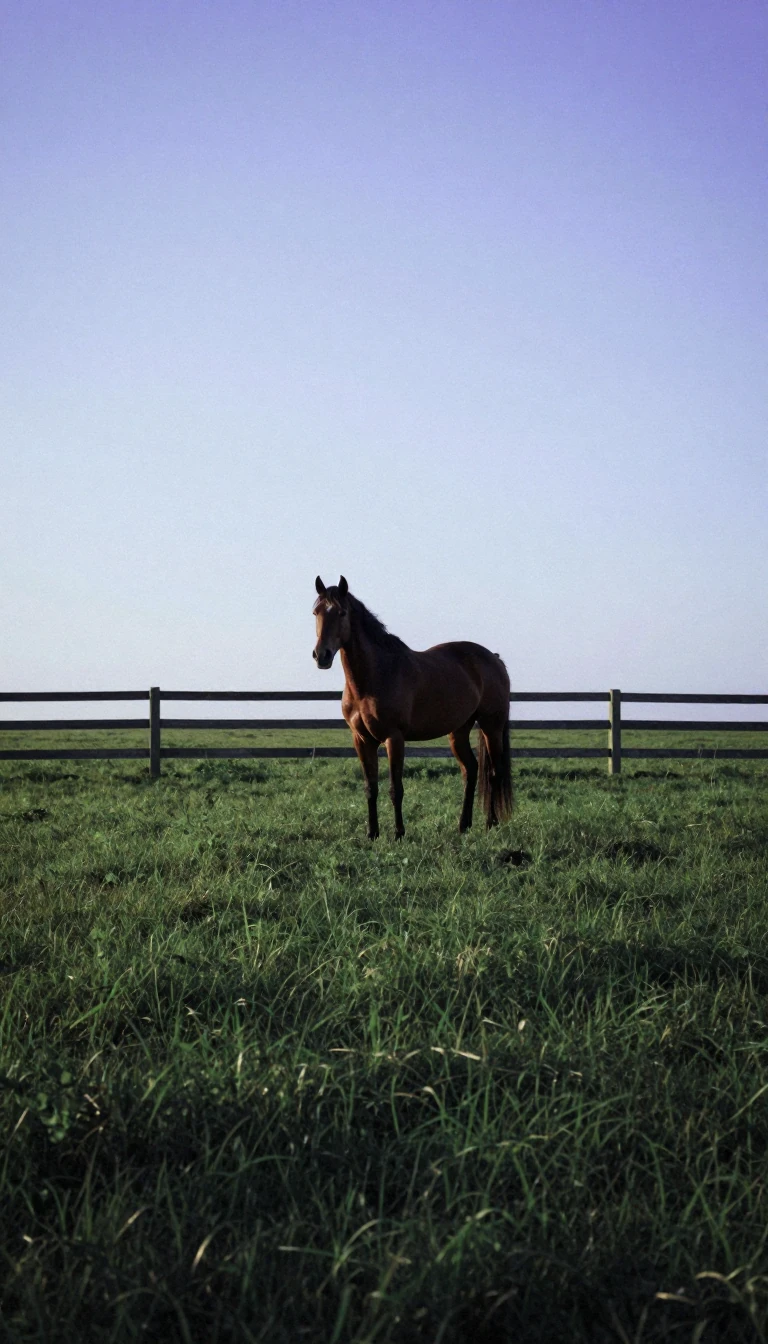
In short: Bay horses are defined by reddish-brown bodies and black points on their manes, tails, and legs. While this pattern is widespread, the underlying genetics are surprisingly intricate. From ancient mutations that removed primitive stripes to modern questions about dark shades, the bay coat remains a subject of ongoing scientific investigation.
At its core, the bay coat is a masterclass in genetic interaction. It requires two specific genes: the extension gene, which dictates the base pigment, and the agouti gene, which restricts black pigment to the points. To be a bay, a horse must possess at least one dominant E allele at extension and at least one dominant A allele at agouti. If a horse lacks the A allele, it becomes fully black; if it lacks the E allele, it becomes chestnut, regardless of its agouti status.
The story of the bay coat stretches back over 42,000 years. The oldest known color was bay dun, characterized by a tan body and primitive markings like dorsal stripes. A mutation known as non-dun 1 eventually replaced the tan with the darker brown of modern bay, while a later mutation, non-dun 2, removed the primitive stripes entirely. Despite this history, the mechanisms behind shade variations—such as the dark 'seal brown'—remain contested. A failed attempt to market a DNA test for the seal brown allele highlights how much is still unknown.
Researchers are currently using genome-wide association studies to untangle these complexities. A region on equine chromosome 22, involving the agouti gene and the RALY gene, appears to influence the extent of black pigment. Furthermore, the bay coat serves as a template for numerous other variations. When dilution genes like cream, champagne, or silver are added, the bay base transforms into colors like buckskin, amber champagne, or silver bay. Even without these modifiers, environmental factors like nutrition and grooming can influence the final appearance, making the bay coat a dynamic and evolving field of study.
Opens the Intellect+ feed with this card first. Swipe up for the next one.
Sources
- Summary by Intellect · source: Bay (horse)
To cite this card, link to https://intellectplus.co.uk/app/nature-bay-horse.
How we source, check and correct cards: Editorial standards.
General information, not professional advice. Spotted an error? Flag the card or see corrections and complaints.
Intellect Plus is a visual educational discovery platform for exploring fascinating facts and ideas. Brain Food, Not Brain Rot. What is Intellect Plus?
Related
More in Organisms · More in Nature · Latest · A–Z · All topics
