Birches are fast-living pioneers whose catkins shatter to release seeds
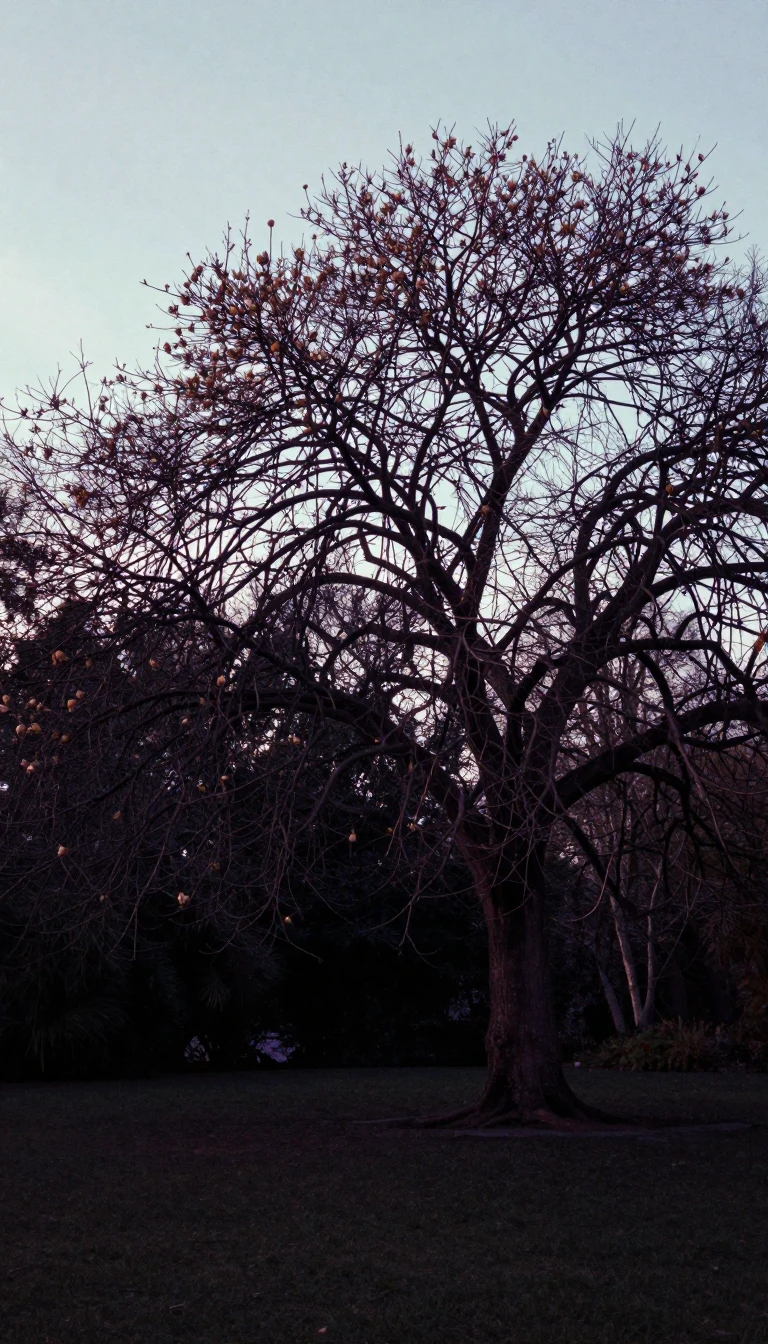
In short: Birches are among the first trees to colonise open ground across the northern world, and most do not live long. Their bark peels in papery sheets and gives species their names: silver, white, grey, black and yellow. Eleven of the genus's 30 to 60 kinds are listed as threatened.
Birches make up the genus Betula in the family Betulaceae, which also holds alders, hazels and hornbeams and sits close to the beech and oak family. They are mostly small to medium trees or shrubs of northern temperate and boreal zones, organised into five subgenera. Depending on how botanists count, the genus has 30 to 60 taxa, and 11 appeared on the 2011 IUCN Red List of threatened species.
Several features make a birch recognisable. The bark carries long horizontal pores called lenticels and often splits into thin, papery plates, most famously in the paper birch. Leaves are toothed and alternate, often appearing in pairs, though each pair actually sits on a short two-leaved side shoot. There is no terminal bud; a branch extends from its uppermost side bud instead. The wood is close-grained and satiny, polishes well, and burns only moderately well as fuel.
Reproduction relies on catkins. Male and female flowers grow on the same tree, opening with or before the leaves. Male catkins form in early autumn and stay stiff through winter, while female catkins bear tiny winged nuts. The key difference from alders is what happens at maturity: birch female catkins are not woody and fall apart to scatter seed, whereas alder catkins harden into little cones.
Species spread across a remarkable span. Dwarf birch reaches Greenland and northern Canada, silver birch grows through Europe and northern Asia and as far south as Morocco, and downy birch extends to Newfoundland. Others are narrowly local, such as a species confined to the Chichibu region of Japan and another to Spain and Portugal.
Opens the Intellect+ feed with this card first. Swipe up for the next one.
Sources
- Summary by Intellect · source: Birch
- Also: iNaturalist — silver birch (Betula pendula) · CC BY-SA 4.0 (Wikipedia summary)
To cite this card, link to https://intellectplus.co.uk/app/nature-birch.
How we source, check and correct cards: Editorial standards.
General information, not professional advice. Spotted an error? Flag the card or see corrections and complaints.
Intellect Plus is a visual educational discovery platform for exploring fascinating facts and ideas. Brain Food, Not Brain Rot. What is Intellect Plus?
Related
More in Organisms · More in Nature · Latest · A–Z · All topics
