The Classic Maya collapse was not a total disappearance but a profound political transformation.
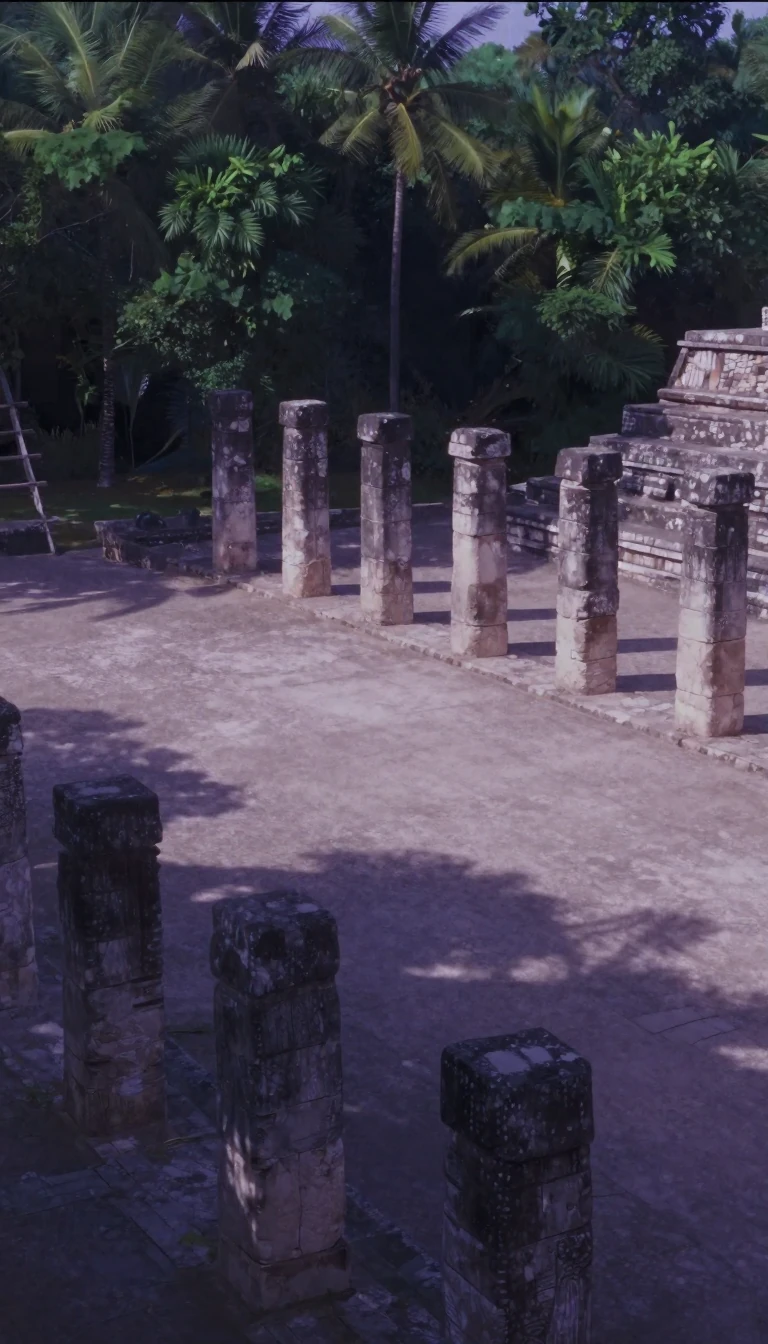
In short: The image of a vanished civilization is a myth. While southern city-states like Tikal and Copán were abandoned between the 7th and 9th centuries, Maya culture persisted, shifted northward, and continues today. Scholars now view this period as a complex rupture rather than a sudden, total extinction of a people.
The traditional narrative of a sudden collapse is increasingly contested by modern archaeology. Between 250 and 900 CE, the Classic Period saw the rise of powerful southern lowlands city-states. By the 8th and 9th centuries, these centers experienced a decline marked by a cessation of monumental inscriptions and construction. However, this was a regional shift rather than a total end. As southern power waned, northern centers like Chichén Itzá and Mayapán flourished, and Maya civilization remained independent until the Spanish conquest of Nojpetén in 1697.
Explanations for this transition are numerous, with over 80 theories identified. Drought has emerged as a leading hypothesis in the 21st century. Paleoclimate records, including isotope analysis of gypsum crystals, suggest that annual precipitation dropped by 41 to 54 percent during the collapse, with peak reductions reaching 70 percent. Because the Maya lived in a seasonal desert dependent on sophisticated water management, even modest rainfall shifts could have been catastrophic. Critics, such as David Webster, argue that drought alone cannot explain why some regions flourished while others depopulated, suggesting that the reality was a complex interplay of environmental stress, social complexity, and shifting trade networks.
Beyond climate, other theories focus on systemic instability. Some scholars point to the failure of the Ajawlel government system or the declining marginal returns of social complexity, as proposed by Joseph Tainter. Others suggest that the Maya created a 'disturbed environment' that fostered parasitic diseases, which would have hampered nutritional health and resilience. Ultimately, the collapse is best understood as a series of dramatic ruptures—a pattern seen earlier in Maya history—rather than a singular, mysterious event. The resilience of the Maya, who still inhabit the Yucatán Peninsula and Guatemala today, underscores that their civilization was defined by its ability to adapt to environmental and political pressures over millennia.
Opens the Intellect+ feed with this card first. Swipe up for the next one.
Sources
- Summary by Intellect · source: Classic Maya collapse
To cite this card, link to https://intellectplus.co.uk/app/nature-classic-maya-collapse.
How we source, check and correct cards: Editorial standards.
General information, not professional advice. Spotted an error? Flag the card or see corrections and complaints.
Intellect Plus is a visual educational discovery platform for exploring fascinating facts and ideas. Brain Food, Not Brain Rot. What is Intellect Plus?
Related
More in Physical geography · More in Nature · Latest · A–Z · All topics
