This ancient, microscopic algae is the secret ingredient in your toothpaste and your insulation.
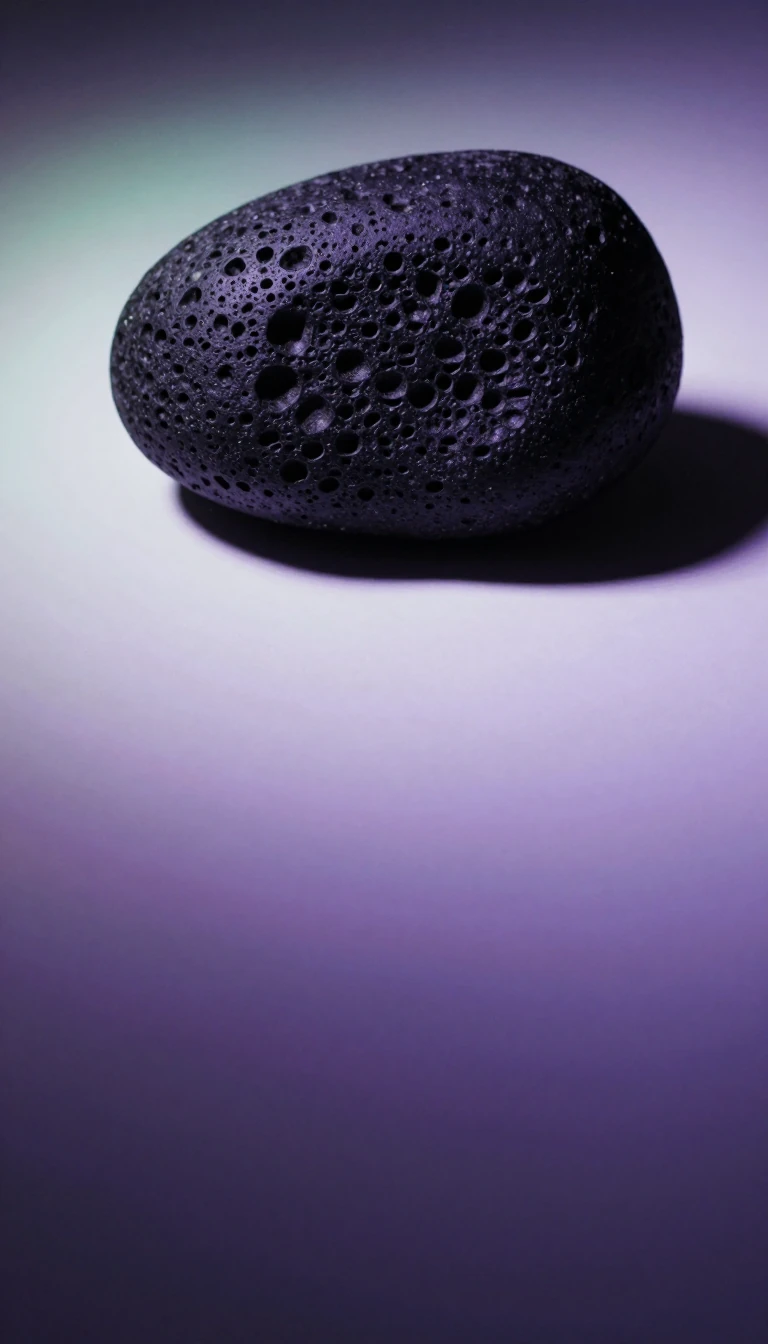
In short: Diatomaceous earth is a sedimentary rock formed from the fossilized remains of tiny, single-celled aquatic plants. While it looks like chalk, this porous material is far more versatile, serving as everything from a mild abrasive in personal care products to a high-temperature insulator for industrial blast furnaces.
Diatomaceous earth, or diatomite, is composed of the siliceous shells, or frustules, of diatoms. These microscopic organisms extract silica from water to build their skeletons. When they die, their remains accumulate in lake or marine sediments over millions of years. Because only a tiny fraction of these shells—estimated at 0.05% to 0.15%—survive the journey to the sedimentary record, the formation of thick, commercially viable deposits is a rare geological event. These beds are often associated with volcanic activity, which may provide the necessary silica supply for such massive accumulation.
The physical properties of the rock are dictated by its origin. The shells are highly porous, giving the material a low density and excellent absorbent qualities. When processed into a powder, it functions as a mechanical insecticide, a filter for clarifying liquids like syrups and antibiotics, and a filler in materials ranging from paint to plastic. Its thermal resistance is particularly notable; at temperatures exceeding 525°C, it outperforms traditional insulators like asbestos because it resists shrinkage and maintains structural integrity even under intense heat.
The material's history is as varied as its applications. While it was discovered in Germany in the 1830s, the world's largest deposit is located in Santa Barbara County, California, where beds reach thicknesses of over 300 meters. The effectiveness of the material can vary significantly based on the age of the deposit. For instance, diatoms from the Eocene epoch are often less absorbent than younger ones because their pores have been filled with silica through recrystallization over time. Today, this ancient biological dust remains essential to modern industry, even playing a role in global climate patterns as wind-blown dust from desert deposits.
Opens the Intellect+ feed with this card first. Swipe up for the next one.
Sources
- Summary by Intellect · source: Diatomaceous earth | Uses, Benefits & Safety | Britannica
- Also: Diatomaceous earth
To cite this card, link to https://intellectplus.co.uk/app/nature-diatomaceous-earth.
How we source, check and correct cards: Editorial standards.
General information, not professional advice. Spotted an error? Flag the card or see corrections and complaints.
Intellect Plus is a visual educational discovery platform for exploring fascinating facts and ideas. Brain Food, Not Brain Rot. What is Intellect Plus?
Related
More in Organisms · More in Nature · Latest · A–Z · All topics
