When ecosystems pass their tipping point, they rarely return to their former state
In short: Ecosystem collapse is not just the death of individual species; it is a fundamental transformation of an environment's identity. Once an ecological system crosses a critical threshold, it loses its defining functions and services. These shifts are often irreversible, leaving behind a novel, less resilient version of the original landscape.
An ecosystem is a complex web of interacting organisms and their environment. While these systems are naturally dynamic, they possess stabilizing processes that allow them to recover from disturbances. However, when human-driven pressures—such as overfishing, pollution, or habitat fragmentation—become too intense, the system may reach a 'tipping point.' Crossing this threshold triggers a collapse, where the ecosystem's core structure and biological functions are permanently altered or replaced.
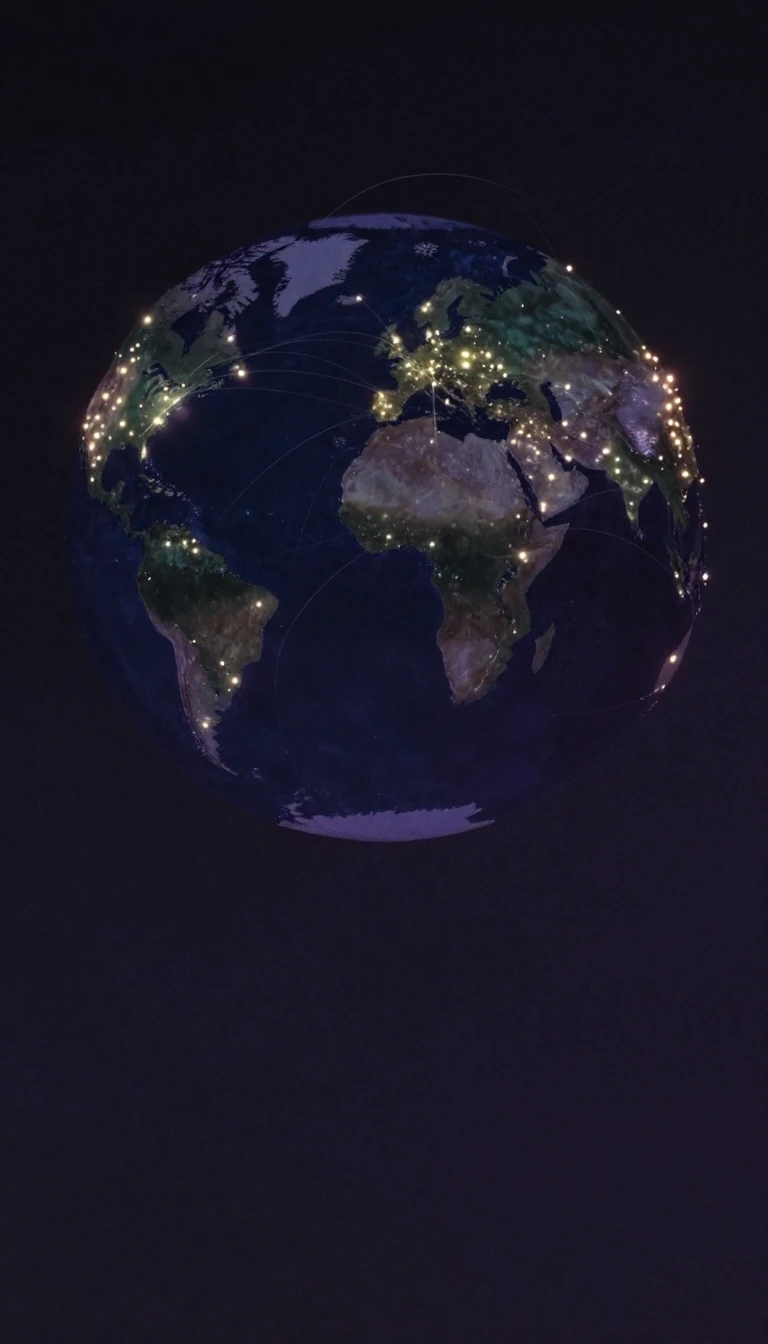
The scale of this impact is significant. Estimates indicate that humans have modified 87% of the world's oceans and 77% of land surfaces, with 30% of global land currently degraded. This widespread disruption is evident in historical and modern examples, from the Carboniferous rainforest collapse millions of years ago to the 20th-century decline of the Atlantic northwest cod fishery and the shrinking of the Aral Sea. In many cases, these collapses are effectively permanent, as the new, replacement ecosystem lacks the original biodiversity and resilience.
Predicting these events remains a major scientific challenge. Researchers use indicators like 'critical slowing down'—where an ecosystem takes increasingly longer to recover from minor disturbances—as an early warning signal. Despite these tools, our understanding of how to reverse a collapse is limited. Because the study of ecosystem-level risk is relatively new, with the IUCN Red List of Ecosystems only under development since 2008, conservation efforts are currently focused more on identifying at-risk systems before they reach the point of no return.
The future of many critical biomes depends on these interventions. For instance, research suggests the Amazon rainforest has been losing resilience since the early 2000s, while coral reefs face potential collapse within 15 years of hitting a critical state. As climate change and human activity continue to push these boundaries, the ability to identify and mitigate these transitions is becoming the most urgent priority in ecological conservation.
Opens the Intellect+ feed with this card first. Swipe up for the next one.
Sources
- Summary by Intellect · source: Ecosystem collapse
To cite this card, link to https://intellectplus.co.uk/app/nature-ecosystem-collapse.
How we source, check and correct cards: Editorial standards.
General information, not professional advice. Spotted an error? Flag the card or see corrections and complaints.
Intellect Plus is a visual educational discovery platform for exploring fascinating facts and ideas. Brain Food, Not Brain Rot. What is Intellect Plus?
Related
More in Ecology · More in Nature · Latest · A–Z · All topics
