Gelatin melts below body temperature, which is why jelly dissolves on your tongue
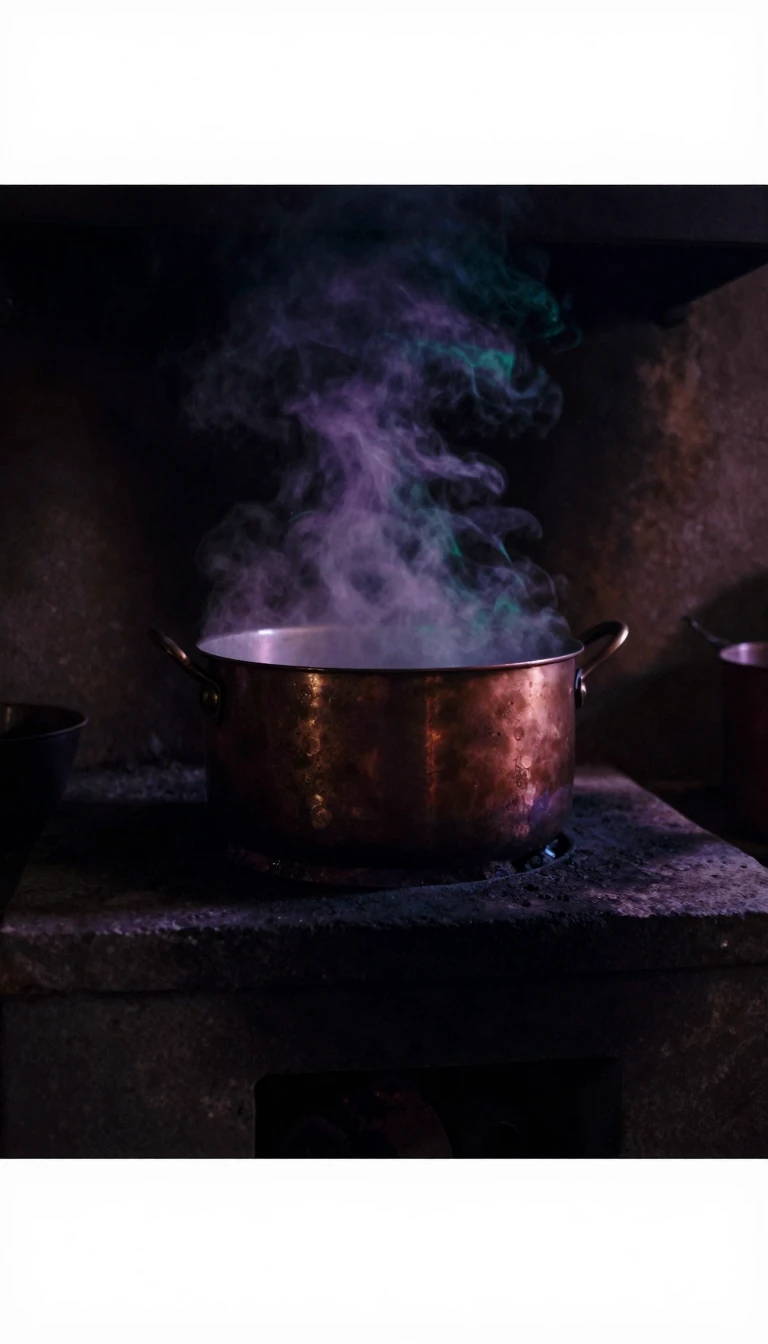
In short: Gelatin is broken-down collagen from animal skin and bones, and it has a neat trick: its gel melts at a temperature lower than the human body. That is why a spoonful of jelly turns liquid in the mouth. It can also soak up five to ten times its own weight in water.
Collagen's tough fibres are chopped into shorter peptides by hydrolysis, and the result is a clear, nearly tasteless protein that is brittle when dry and rubbery when wet. Glycine, proline and hydroxyproline make up about half its amino acids; glycine lets the chains pack tightly while proline limits how they fold, which matters for setting. Cooled in water, those chains form a network that traps liquid, a hydrogel that stays stable even when it is up to 90 percent water.
Industry makes it from by-products of meat and leather, chiefly pig skin, pig and cattle bones, and split cattle hides, with fish versions avoiding some religious objections. Acid treatment suits pig skin and takes 10 to 48 hours, yielding type A gelatin; alkali treatment for tougher cattle hide can take weeks and gives type B. Fish gelatin melts and sets at lower temperatures than beef or pork kinds. Global demand was about 620,000 tonnes in 2019.
Cooks have used it for a long time. A 10th-century Arabic cookbook describes a fish aspic made by boiling fish heads, and Le Viandier, from around 1375, has a recipe for jellied meat broth. Boiling bones or cartilage-rich cuts at home still releases gelatin into stock that sets as it cools. Beyond food, it goes into capsules, photographic film and cosmetics.
As a food, it is not a complete protein, lacking tryptophan. European food regulators found in 2011 that a link between collagen supplements and joint maintenance had not been established. Worries about mad cow disease led American and European authorities to study bone gelatin, and the EU's scientific committee judged the risk very low or zero in 2003.
Opens the Intellect+ feed with this card first. Swipe up for the next one.
Sources
- Summary by Intellect · source: Gelatin
To cite this card, link to https://intellectplus.co.uk/app/nature-gelatin.
How we source, check and correct cards: Editorial standards.
General information, not professional advice. Spotted an error? Flag the card or see corrections and complaints.
Intellect Plus is a visual educational discovery platform for exploring fascinating facts and ideas. Brain Food, Not Brain Rot. What is Intellect Plus?
Related
More in Organisms · More in Nature · Latest · A–Z · All topics
