Why the world's most iconic pink bird is actually a master of filtration
In short: Greater flamingos are not born pink; they acquire their vibrant hue through a specialized diet of crustaceans. These birds thrive in harsh, saline environments, using their uniquely bent bills to filter tiny organisms from mud. Their survival depends on complex social structures and a surprising, makeup-like grooming ritual.
The greater flamingo (Phoenicopterus roseus) is the most widespread member of its family, inhabiting warm, watery regions across Africa, the Middle East, the Indian subcontinent, and Southern Europe. While they appear elegant, their anatomy is built for utility. Their long, lean necks and downward-curving bills are perfectly adapted for life on extensive mud flats. By stirring up the bottom with their webbed feet, they create a slurry of mud and water, which they then filter through specialized structures in their beaks to capture plankton, fly larvae, and tiny fish.
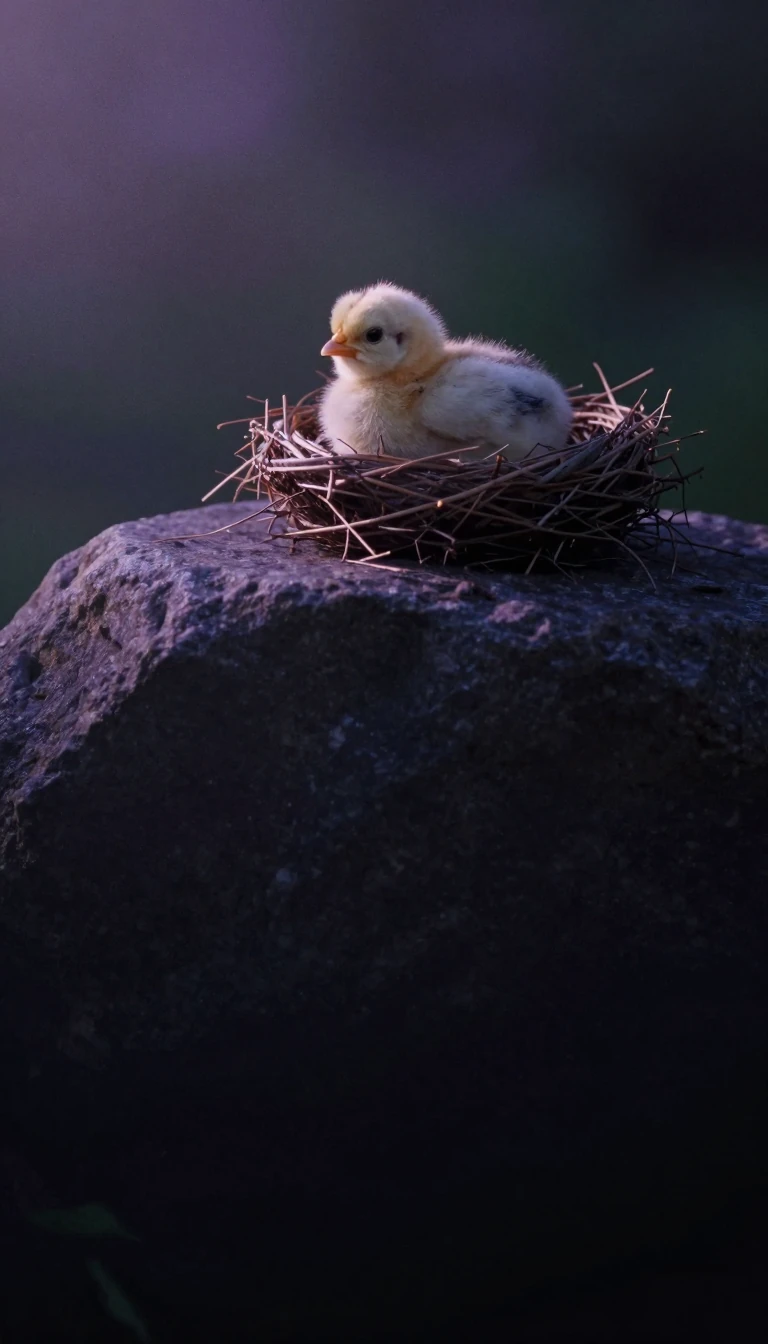
The signature pink coloration of these birds is not innate. Chicks are born with gray and white down, and it takes years for them to develop their adult plumage. The color is derived from carotenoid pigments found in the crustaceans and other organisms they consume. Interestingly, this process is not purely passive. During the breeding season, flamingos increase the frequency of spreading secretions from their uropygial gland over their feathers. This behavior, which acts like cosmetic makeup, helps enhance their color, potentially signaling fitness to prospective mates.
Social dynamics are central to the flamingo's existence. They live in large colonies, a strategy that provides safety in numbers against predators like the yellow-legged gull. Breeding is a communal affair, often contingent on environmental conditions; if wetlands are dry or food is scarce, they may forgo reproduction entirely. When they do breed, they lay a single egg on a mud mound, with both parents sharing incubation duties. While they are long-lived—with some individuals in captivity reaching over 80 years—their populations remain vulnerable to habitat encroachment and water pollution, making the preservation of their saline lake environments critical for their future.
Opens the Intellect+ feed with this card first. Swipe up for the next one.
Sources
- Summary by Intellect · source: Greater Flamingo | National Geographic
- Also: Greater flamingo
- Also: iNaturalist — Greater Flamingo (Phoenicopterus roseus) · CC BY-SA 4.0 (Wikipedia summary)
To cite this card, link to https://intellectplus.co.uk/app/nature-greater-flamingo.
How we source, check and correct cards: Editorial standards.
General information, not professional advice. Spotted an error? Flag the card or see corrections and complaints.
Intellect Plus is a visual educational discovery platform for exploring fascinating facts and ideas. Brain Food, Not Brain Rot. What is Intellect Plus?
Related
More in Physical geography · More in Nature · Latest · A–Z · All topics
