Why your dry nose and expressive face define your place in the primate family
In short: You are a haplorhine, a member of the dry-nosed primate suborder that includes tarsiers, monkeys, apes, and humans. Unlike our moist-nosed cousins, we possess enhanced vision, complex facial expressions, and a unique reproductive biology. This group represents a distinct evolutionary path that diverged tens of millions of years ago.
The suborder Haplorhini, or haplorhines, is defined by a suite of physical and genetic traits that set them apart from the Strepsirrhini. The most visible difference is the nose; while strepsirrhines retain a moist, bare muzzle known as a rhinarium, haplorhines have dry, hair-covered noses. This change is linked to the loss of the rhinarium, which allows for greater facial mobility and a wider range of expressions. Internally, haplorhines are distinguished by a hemochorial placenta and the presence of a fovea, a specialized area of the retina that provides enhanced visual acuity, making vision their primary sense.
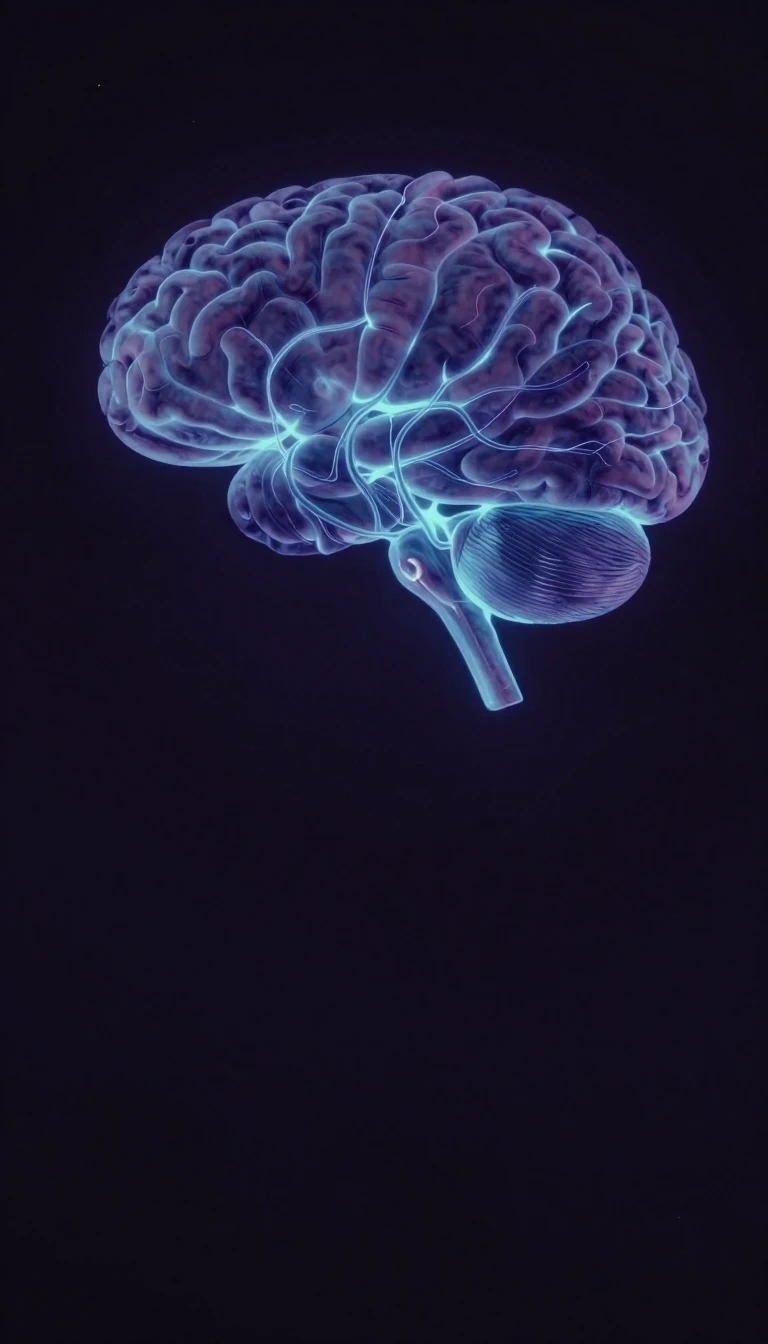
Genetically, all haplorhines share five specific short interspersed nuclear elements (SINEs) that are absent in strepsirrhines. Furthermore, they have lost the ability to synthesize Vitamin C, a function retained by most other mammals. Their brain-to-body mass ratio is significantly higher than that of their strepsirrhine relatives, and they possess a postorbital plate that encloses the eye socket, providing better protection and support for their vision-centric lifestyle. While most haplorhines are diurnal, there are notable exceptions, such as tarsiers and night monkeys.
The evolutionary history of this group is complex and subject to ongoing debate. Molecular estimates suggest that haplorhines and strepsirrhines diverged between 60 and 74 million years ago. Within the suborder, the infraorder Tarsiiformes is often considered a basal branch. The simians, or anthropoids, further divide into Platyrrhini (New World monkeys) and Catarrhini (Old World monkeys and apes). The exact relationships among extinct groups like the Omomyidae remain contested, with researchers exploring various models of descent. Despite these uncertainties, the haplorhine lineage is clearly marked by a shift toward increased behavioral complexity, longer periods of maternal dependence, and a reliance on vision that has shaped the trajectory of primate evolution.
Opens the Intellect+ feed with this card first. Swipe up for the next one.
Sources
- Summary by Intellect · source: Haplorrhini | primate suborder | Britannica
- Also: Haplorhini
To cite this card, link to https://intellectplus.co.uk/app/nature-haplorhini.
How we source, check and correct cards: Editorial standards.
General information, not professional advice. Spotted an error? Flag the card or see corrections and complaints.
Intellect Plus is a visual educational discovery platform for exploring fascinating facts and ideas. Brain Food, Not Brain Rot. What is Intellect Plus?
Related
More in Organisms · More in Nature · Latest · A–Z · All topics
