The word Hispanic has roots in ancient Rome, but its modern usage is fluid.
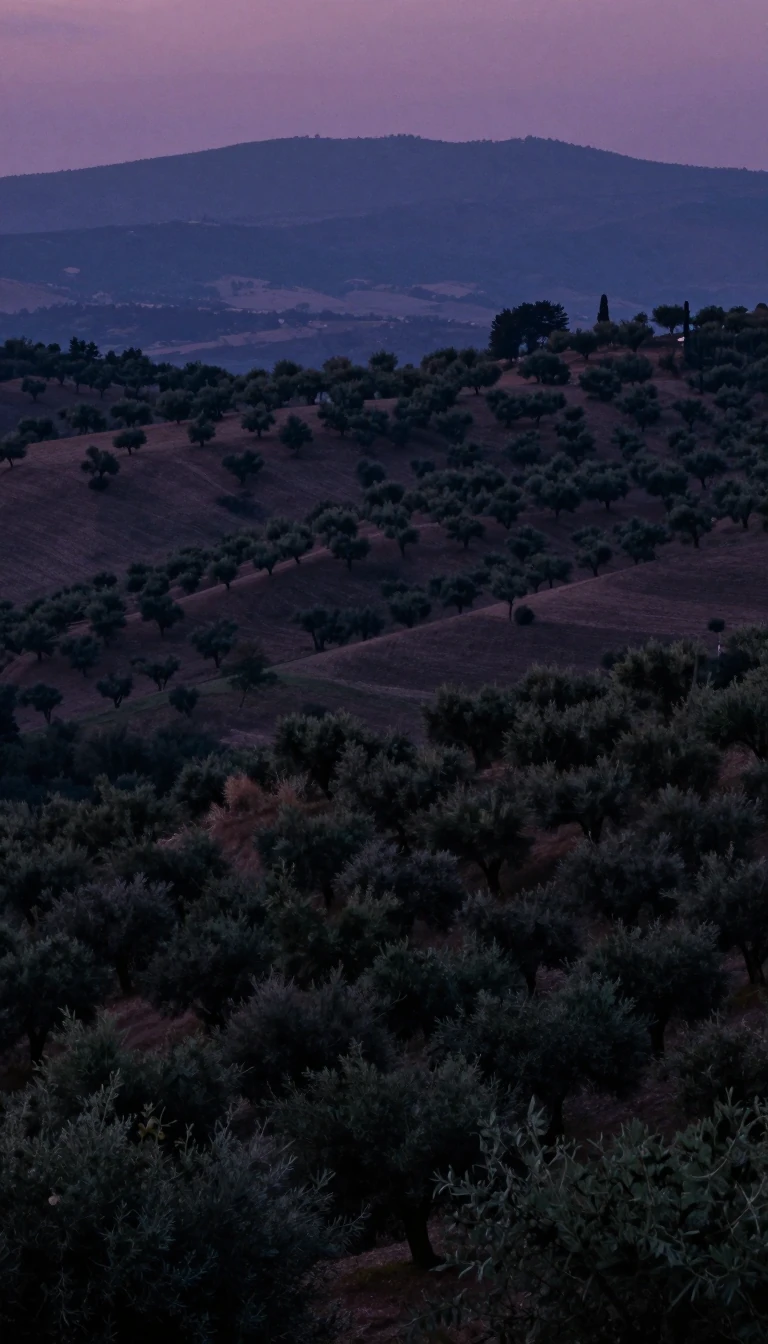
In short: Tracing its origins to the Latin Hispania, the term Hispanic has evolved from a geographic descriptor for the Iberian Peninsula into a complex, often debated, meta-ethnic label. Today, it encompasses a vast array of cultures, languages, and histories, yet its meaning shifts significantly depending on whether you are in Europe or America.
The term Hispanic derives from the Latin word Hispanicus, referring to Hispania, the Roman name for the Iberian Peninsula. During the Roman era, the term described the region's inhabitants, including diverse Indigenous tribes and Roman colonists. Famous figures like the emperors Trajan and Hadrian, as well as the philosopher Seneca the Younger, were considered Hispani. In the Middle Ages, the concept evolved as the four Christian kingdoms of the peninsula—Portugal, Aragon, Castile, and Navarre—were collectively known as The Spains, though this did not denote a unified nation-state until the 19th century.
In modern Europe, Hispanic generally refers to the history of ancient Hispania or the shared culture of Spanish-speaking nations. However, in the United States, the term has taken on a distinct administrative life. Since the 1970 census, the U.S. government has used Hispanic as a broad category to identify individuals of Spanish or Spanish-speaking origin, regardless of race. This definition is used by agencies like the Small Business Administration and the Equal Employment Opportunity Commission to track demographics and award contracts, allowing for individual self-identification.
The term's application is not universal. In Brazil, for instance, the label is often rejected because the country’s language and culture are not part of the Hispanic sphere; Brazilians prefer terms like Iberian or Latin American. Furthermore, the term is not limited to human populations; in biology, the specific epithet hispanicus is used to classify species native to the Iberian region, such as the Spanish bluebell (Hyacinthoides hispanica) and the common golden thistle (Scolymus hispanicus). This highlights the term's enduring connection to the geography of the Iberian Peninsula, even as its human-centric definitions continue to fluctuate across borders and institutions.
Opens the Intellect+ feed with this card first. Swipe up for the next one.
Sources
- Summary by Intellect · source: Hispanic
- Also: Spanish Bluebell (Hyacinthoides hispanica)
- Also: common golden thistle (Scolymus hispanicus)
To cite this card, link to https://intellectplus.co.uk/app/nature-hispanic.
How we source, check and correct cards: Editorial standards.
General information, not professional advice. Spotted an error? Flag the card or see corrections and complaints.
Intellect Plus is a visual educational discovery platform for exploring fascinating facts and ideas. Brain Food, Not Brain Rot. What is Intellect Plus?
Related
More in Physical geography · More in Nature · Latest · A–Z · All topics
