Sushi began as a way to discard rice, not eat it.
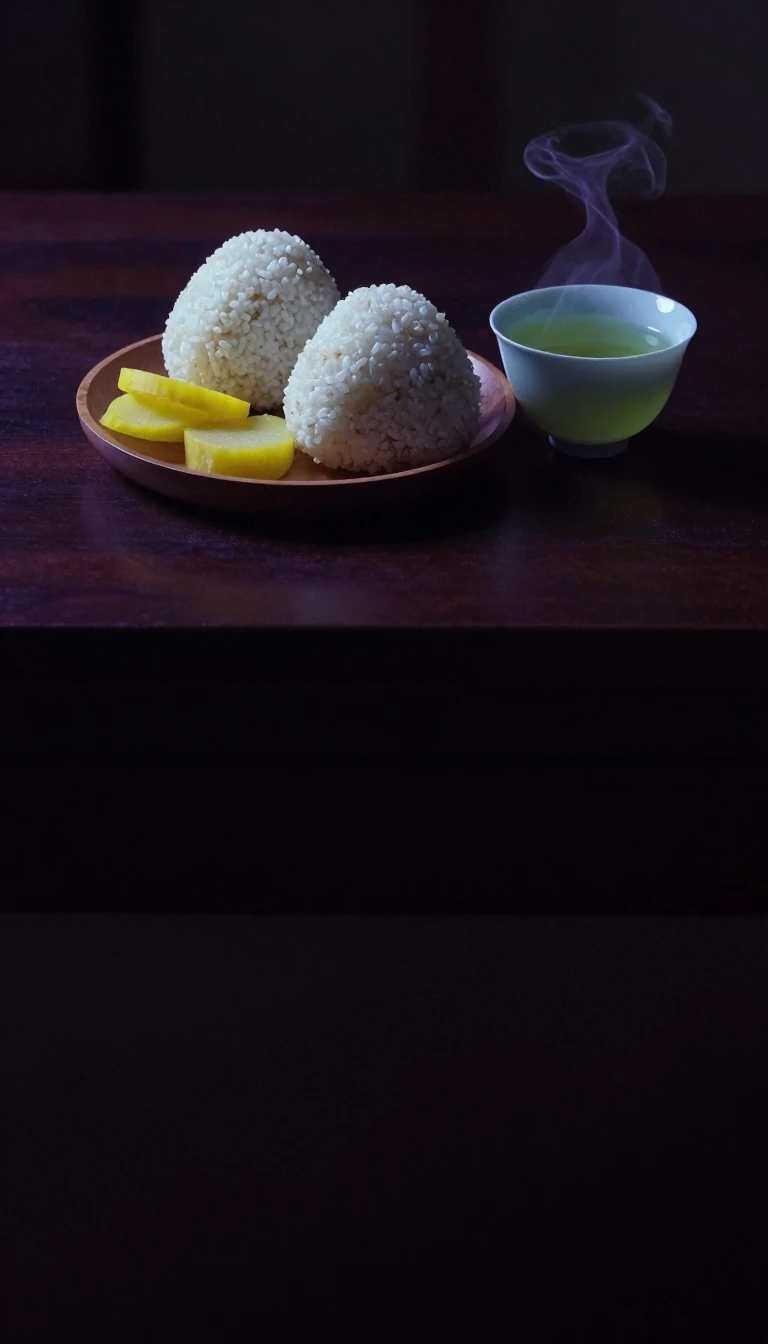
In short: The iconic dish we recognize today as sushi was once a preservation technique for freshwater fish in Southeast Asia. Ancient practitioners fermented fish with salt and rice, discarding the grain entirely. It took centuries of evolution in Japan to transform this sour, pungent preservation method into the fresh fast food we consume.
The earliest iteration, known as narezushi, likely emerged in the Mekong and Irrawaddy River basins. By the Yayoi period, this method of lacto-fermenting fish reached Japan. For centuries, the rice served only as a fermentation agent to prevent spoilage. It was not until the Muromachi period (1336–1573) that the Japanese began consuming the rice alongside the fish in a style called namanare, which shortened the fermentation time. By the Edo period (1603–1867), the process shifted again with the development of haya-zushi, or fast sushi, which used vinegar to mimic the sour taste of fermentation, effectively eliminating the wait time.
Modern nigirizushi—seafood atop hand-pressed vinegared rice—is widely attributed to Hanaya Yohei in 1824. This version was significantly larger than contemporary portions, utilizing a distinct red vinegar made from sake lees. The dish continued to evolve through the 20th century, notably with the 1958 invention of conveyor belt sushi by Yoshiaki Shiraishi. This innovation, combined with automatic tea dispensers and the eventual expiration of patents, helped lower prices and popularize the dish globally. By 2021, the conveyor belt market alone reached 700 billion yen.
The global spread of sushi faced significant hurdles, including anti-Japanese sentiment in the early 20th-century United States and health concerns regarding raw fish. Salmon, for instance, was not consumed raw in Japan until the late 1980s, when Norwegian companies sought to offload surplus farmed fish. Meanwhile, the California roll—a staple of Westernized sushi—is subject to competing origin stories, with claims pointing to both Los Angeles and Vancouver. Today, sushi continues to adapt, with Australian-style hand rolls now appearing in markets as far afield as New York and the United Kingdom.
Opens the Intellect+ feed with this card first. Swipe up for the next one.
Sources
- Summary by Intellect · source: History of sushi
To cite this card, link to https://intellectplus.co.uk/app/nature-history-of-sushi.
How we source, check and correct cards: Editorial standards.
General information, not professional advice. Spotted an error? Flag the card or see corrections and complaints.
Intellect Plus is a visual educational discovery platform for exploring fascinating facts and ideas. Brain Food, Not Brain Rot. What is Intellect Plus?
Related
More in Organisms · More in Nature · Latest · A–Z · All topics
