The star-shaped spice that once fueled a global race for flu medicine
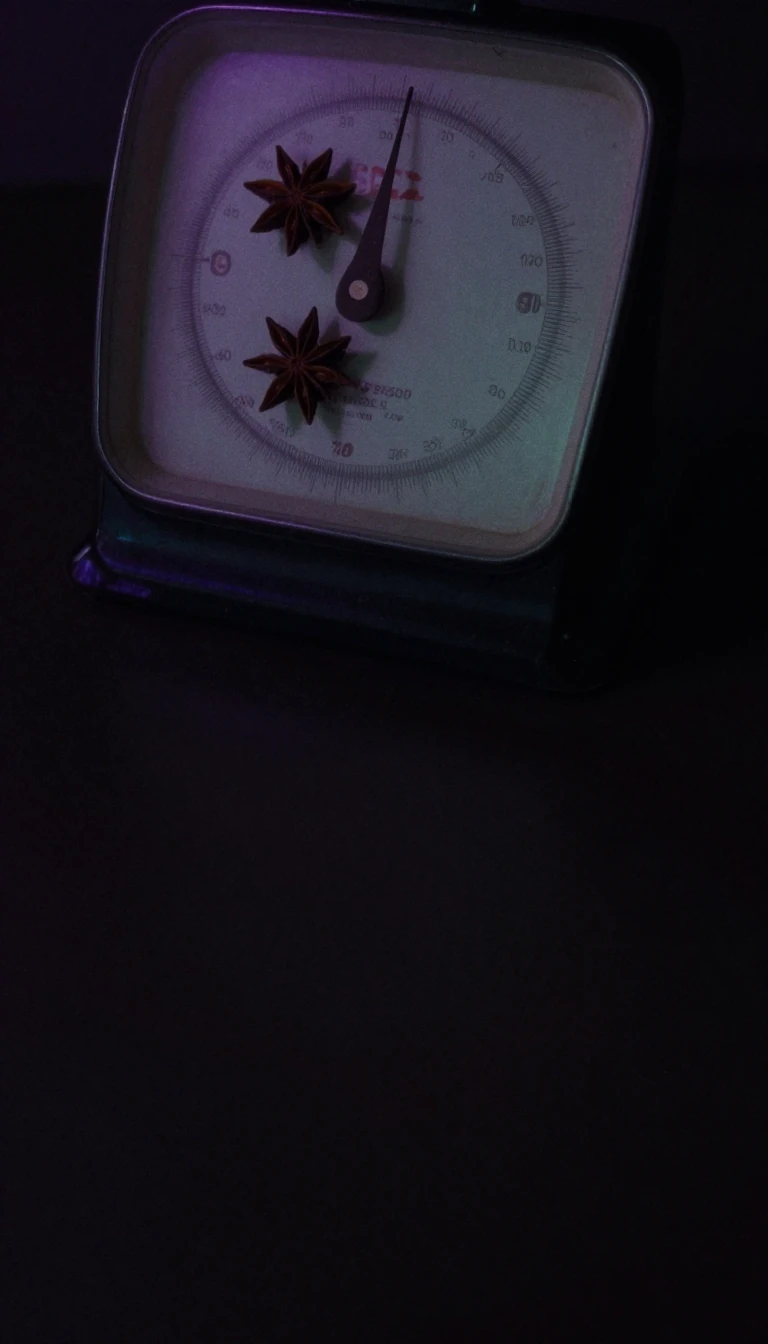
In short: This fragrant evergreen, native to China and Vietnam, is more than a culinary staple. Beyond its role in five-spice powder and pho, its unique chemical profile made it the primary global source for Tamiflu, sparking a massive industrial shift that forever changed how we manufacture life-saving antiviral medication.
Illicium verum, known for its distinctive star-shaped fruit, is a botanical powerhouse. The tree produces a highly aromatic oil containing anethole, the same compound that defines the flavor of anise. While culinary traditions across Asia and Europe rely on its ability to enhance everything from meat dishes to mulled wine, the plant's most significant impact on modern society occurred in the pharmaceutical sector.
For years, the global supply of the anti-influenza drug oseltamivir, marketed as Tamiflu, depended heavily on the star anise harvest. The fruit is a major source of shikimic acid, a critical precursor in the synthesis of the drug. At its peak, pharmaceutical companies utilized up to 90% of the world's annual crop to meet demand. This reliance created significant market volatility, particularly during the 2009 swine flu pandemic, which drove up prices for the spice as a raw material.
The landscape of production shifted in 2005 when researchers discovered an industrial method to produce shikimic acid through the fermentation of E. coli bacteria. By 2012, Roche Pharmaceuticals had transitioned to this genetically modified bacterial process, effectively decoupling the drug's production from the agricultural harvest. As of 2018, this fermentation method remains the preferred manufacturing route, stabilizing the market for the spice.
Caution is essential when sourcing this plant, as it is easily confused with toxic relatives. The Japanese star anise, Illicium anisatum, contains the potent neurotoxin anisatin, which can cause seizures and severe organ inflammation. Similarly, the swamp star anise found in the United States is inedible. Because these toxic varieties can be mixed into commercial supplies, distinguishing the genuine, non-toxic Illicium verum from its dangerous look-alikes is a matter of both culinary quality and personal safety.
Opens the Intellect+ feed with this card first. Swipe up for the next one.
Sources
- Summary by Intellect · source: Illicium verum
- Also: iNaturalist — Star Anise (Illicium verum) · CC BY-SA 4.0 (Wikipedia summary)
To cite this card, link to https://intellectplus.co.uk/app/nature-illicium-verum.
How we source, check and correct cards: Editorial standards.
General information, not professional advice. Spotted an error? Flag the card or see corrections and complaints.
Intellect Plus is a visual educational discovery platform for exploring fascinating facts and ideas. Brain Food, Not Brain Rot. What is Intellect Plus?
Related
More in Organisms · More in Nature · Latest · A–Z · All topics
