The lake trout is a voracious char that thrives in deep, cold northern waters.
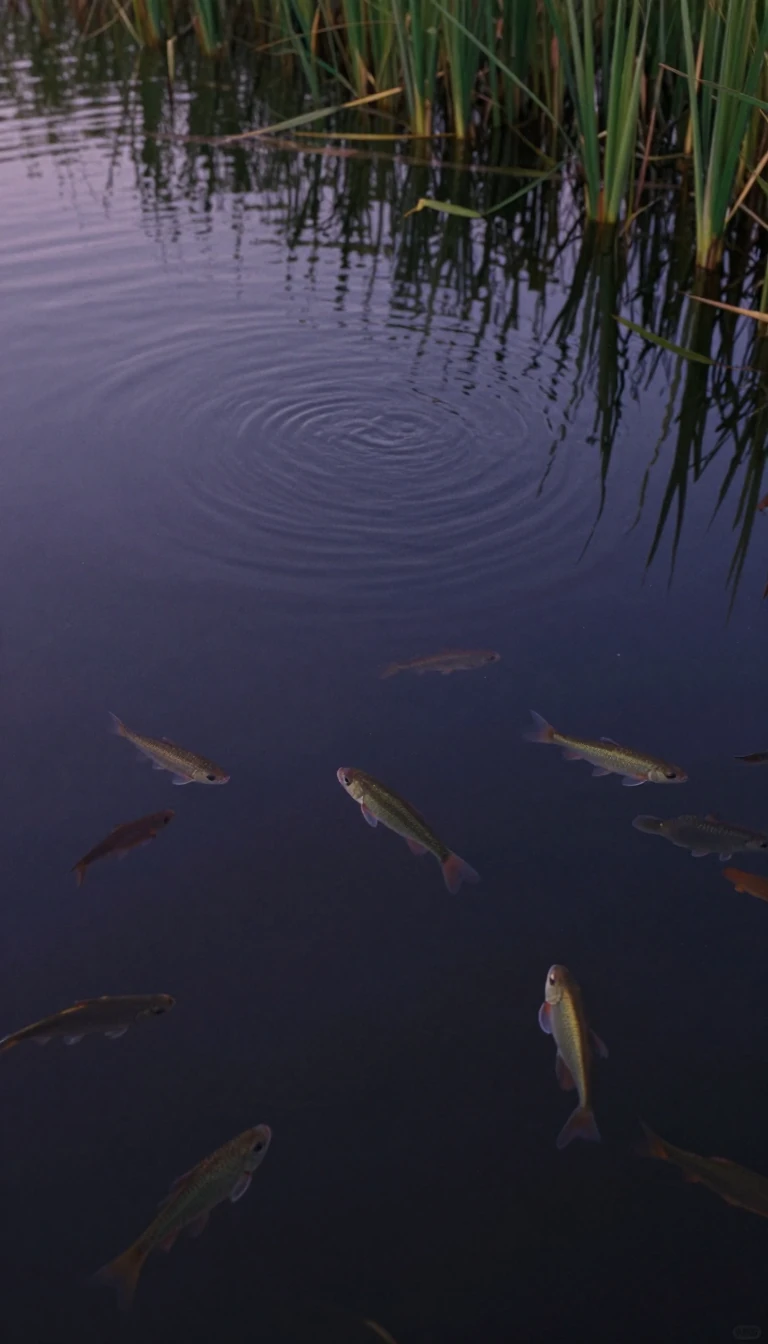
In short: Known by names ranging from mackinaw to touladi, the lake trout is a large, predatory fish native to North America. These cold-water dwellers are not true trout but members of the char family, often found in the deep, oxygen-rich basins of the Great Lakes and northern Canadian waters.
The lake trout, scientifically classified as Salvelinus namaycush, is a member of the Salmonidae family. Unlike many other fish species that occupy diverse environments, this char is specifically adapted to deep, cool, and oxygen-rich freshwater lakes. Its physical appearance is distinct, characterized by a greenish-gray body adorned with pale spots, which provides effective camouflage in its aquatic habitat. These fish are known for their voracious predatory nature, though their growth rates and maturity vary significantly based on their local environment and available food sources.
The species is native to northern North America, ranging from Alaska and Canada down to New England and the Great Lakes basin. Within these ecosystems, lake trout exhibit remarkable flexibility. In lakes where deep-water forage fish are absent, they may shift to a planktivorous diet, resulting in slower growth and smaller mature sizes. Conversely, in environments with abundant deep-water prey, they become piscivorous, allowing them to reach much larger sizes. This adaptability is essential for their survival in oligotrophic waters, which are typically nutrient-poor.
Despite their resilience, lake trout populations are highly sensitive to environmental changes and human activity. They are particularly susceptible to overfishing, pollution, and habitat alteration. Because they are slow-growing and late to mature, native populations can be severely damaged by excessive harvesting or the introduction of invasive species. Effective management of these fisheries requires a delicate balance, as the health of these populations is deeply intertwined with the biological and physical factors of their aquatic homes. Their status as both a prized game fish and a food source makes understanding their ecological needs a priority for conservationists and scientists alike.
Opens the Intellect+ feed with this card first. Swipe up for the next one.
Sources
- Summary by Intellect · source: Lake trout | Freshwater, Spawning, Migration | Britannica
- Also: Lake trout
- Also: Lake Trout (Salvelinus namaycush)
To cite this card, link to https://intellectplus.co.uk/app/nature-lake-trout.
How we source, check and correct cards: Editorial standards.
General information, not professional advice. Spotted an error? Flag the card or see corrections and complaints.
Intellect Plus is a visual educational discovery platform for exploring fascinating facts and ideas. Brain Food, Not Brain Rot. What is Intellect Plus?
Related
More in Physical geography · More in Nature · Latest · A–Z · All topics
