Why do some animals gather in arenas to perform elaborate, competitive mating displays?
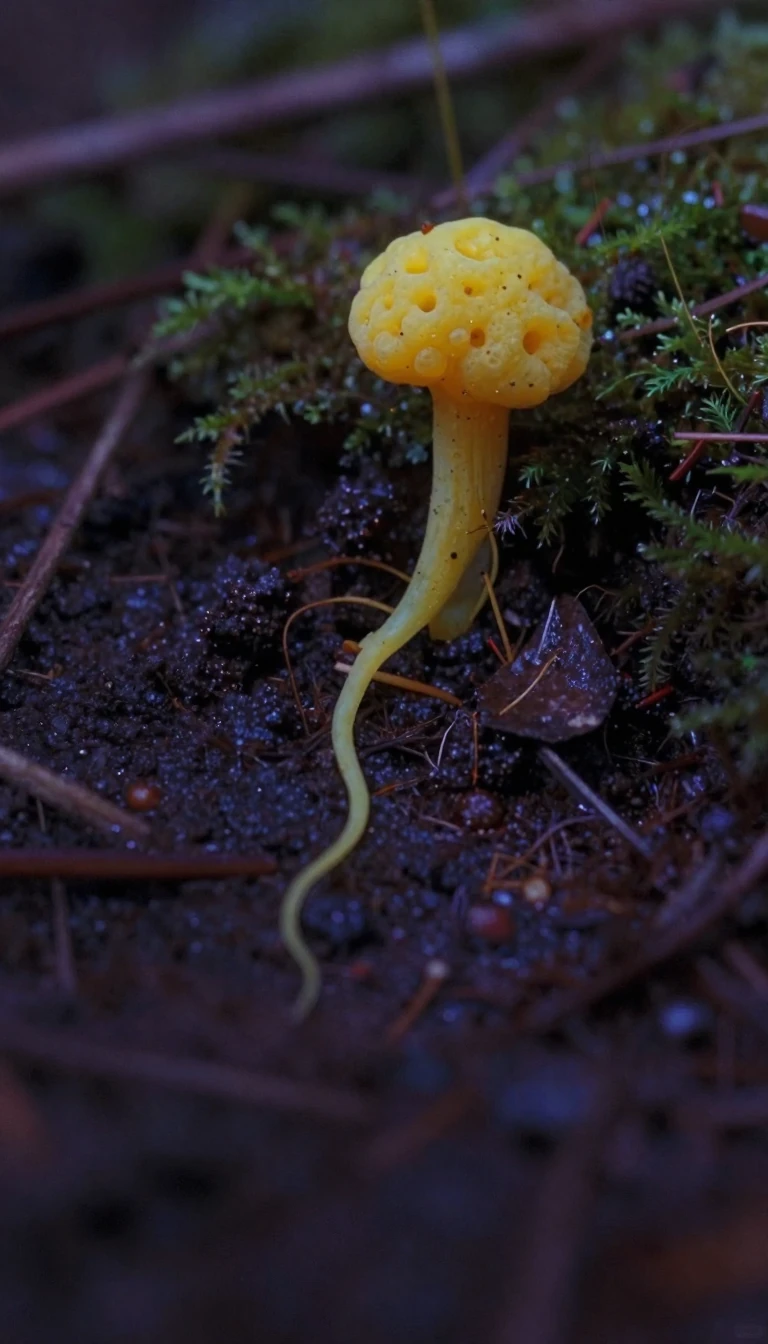
In short: In the animal kingdom, some males congregate in communal areas called leks to flaunt their best traits for visiting females. This arena behavior, while risky, serves as a high-stakes stage where a small fraction of males often secure the vast majority of mating opportunities through intense, competitive performance.
A lek is a communal space where males of various species—including insects, birds, and mammals—gather to perform courtship displays. These arenas function as a central hub where females arrive to survey potential partners. In a classic lek, males defend small, adjacent territories within both visual and auditory range of their neighbors. Conversely, in an exploded lek, males are spread further apart, sometimes kilometers away, yet remain within earshot of one another to signal their presence.
The evolution of these systems is driven by sexual selection, a concept famously explored by Charles Darwin in 1871. Unlike natural selection, which favors traits that aid survival, sexual selection favors traits that enhance mating success, even if those traits—like the cumbersome plumage of a peacock or the massive antlers of a stag—make the animal more vulnerable to predators. In lekking species, this manifests as extreme competition, where males invest heavily in exaggerated ornaments, vocalizations, or aggressive displays to catch a female's eye.
This system creates a significant mating skew. Research indicates that in many lekking populations, 70 to 80 percent of all matings are secured by only 10 to 20 percent of the males present. While these displays are energetically costly and increase predation risk, they provide a streamlined process for females. By congregating males in one location, females can evaluate multiple partners efficiently, reducing the time spent searching for a mate and minimizing their own exposure to danger. The stability of these sites is often maintained by male hierarchies, where younger or subordinate males may wait for opportunities to inherit prime display spots from dominant individuals.
Opens the Intellect+ feed with this card first. Swipe up for the next one.
Sources
- Summary by Intellect · source: Lek | Mating Rituals, Courtship Displays & Aggression | Britannica
- Also: Lek mating
To cite this card, link to https://intellectplus.co.uk/app/nature-lek-mating.
How we source, check and correct cards: Editorial standards.
General information, not professional advice. Spotted an error? Flag the card or see corrections and complaints.
Intellect Plus is a visual educational discovery platform for exploring fascinating facts and ideas. Brain Food, Not Brain Rot. What is Intellect Plus?
Related
More in Organisms · More in Nature · Latest · A–Z · All topics
