From humble Depression-era filler to global comfort food, the story of the meatloaf.
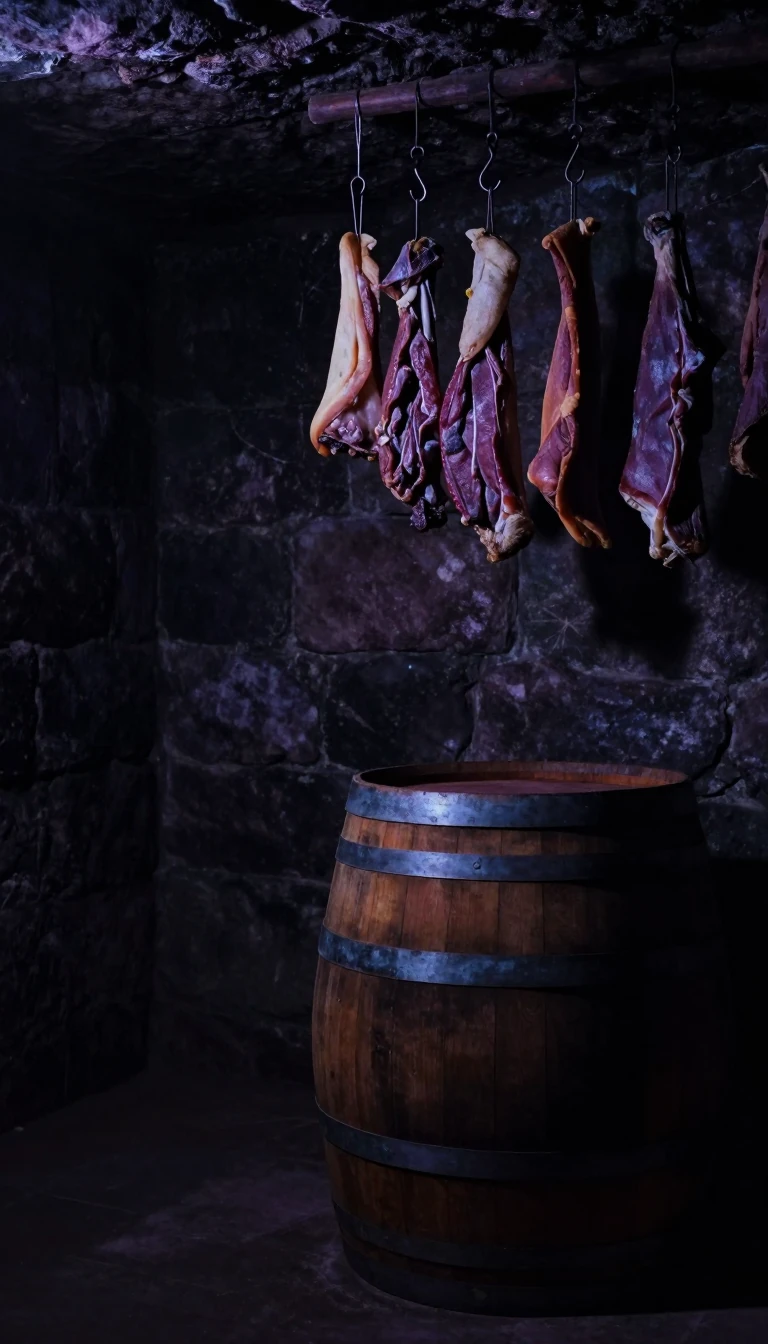
In short: Meatloaf is far more than a simple American staple. Across the globe, this versatile dish of ground meat and binders takes on dozens of identities, from the hard-boiled egg-stuffed loaves of Europe to the steamed, sausage-filled rolls of the Philippines. It is a universal solution for stretching ingredients.
At its core, meatloaf is a mixture of ground meat—typically beef, though pork, lamb, and even seafood are common—shaped into a loaf and baked or smoked. To prevent the dish from drying out, cooks rely on binders like eggs and breadcrumbs, or moisture-enhancing additions such as vegetables and fats. While modern North American meatloaf appeared in cookbooks in the late 19th century, its roots trace back to Pennsylvania German traditions like scrapple.
The dish is a global chameleon. In many European and Middle Eastern cultures, it is common to hide hard-boiled eggs in the center of the loaf, a feature seen in the Hungarian Stefánia, the Polish pieczeń rzymska, and the Greek rolo. Other regional variations emphasize local ingredients: the Romanian drob uses lamb organs, while the Filipino embutido is steamed in foil and often includes raisins and sausages. In North America, the Great Depression solidified the dish's status as a budget-friendly way to stretch meat with grains and crackers, eventually cementing its reputation as an iconic comfort food.
Today, the definition of meatloaf continues to expand. While traditional versions remain popular, contemporary recipes include everything from ahi tuna to Fritos. Whether it is the Swedish köttfärslimpa served with lingonberry jam or the Vietnamese chả, which is boiled rather than baked, the dish remains a testament to culinary ingenuity. It is a flexible canvas that adapts to available resources, proving that even the most basic combination of ground meat and seasonings can become a cultural staple.
Opens the Intellect+ feed with this card first. Swipe up for the next one.
Sources
- Summary by Intellect · source: Meatloaf
To cite this card, link to https://intellectplus.co.uk/app/nature-meatloaf.
How we source, check and correct cards: Editorial standards.
General information, not professional advice. Spotted an error? Flag the card or see corrections and complaints.
Intellect Plus is a visual educational discovery platform for exploring fascinating facts and ideas. Brain Food, Not Brain Rot. What is Intellect Plus?
Related
More in Organisms · More in Nature · Latest · A–Z · All topics
