The white mulberry tree launches its pollen at half the speed of sound.
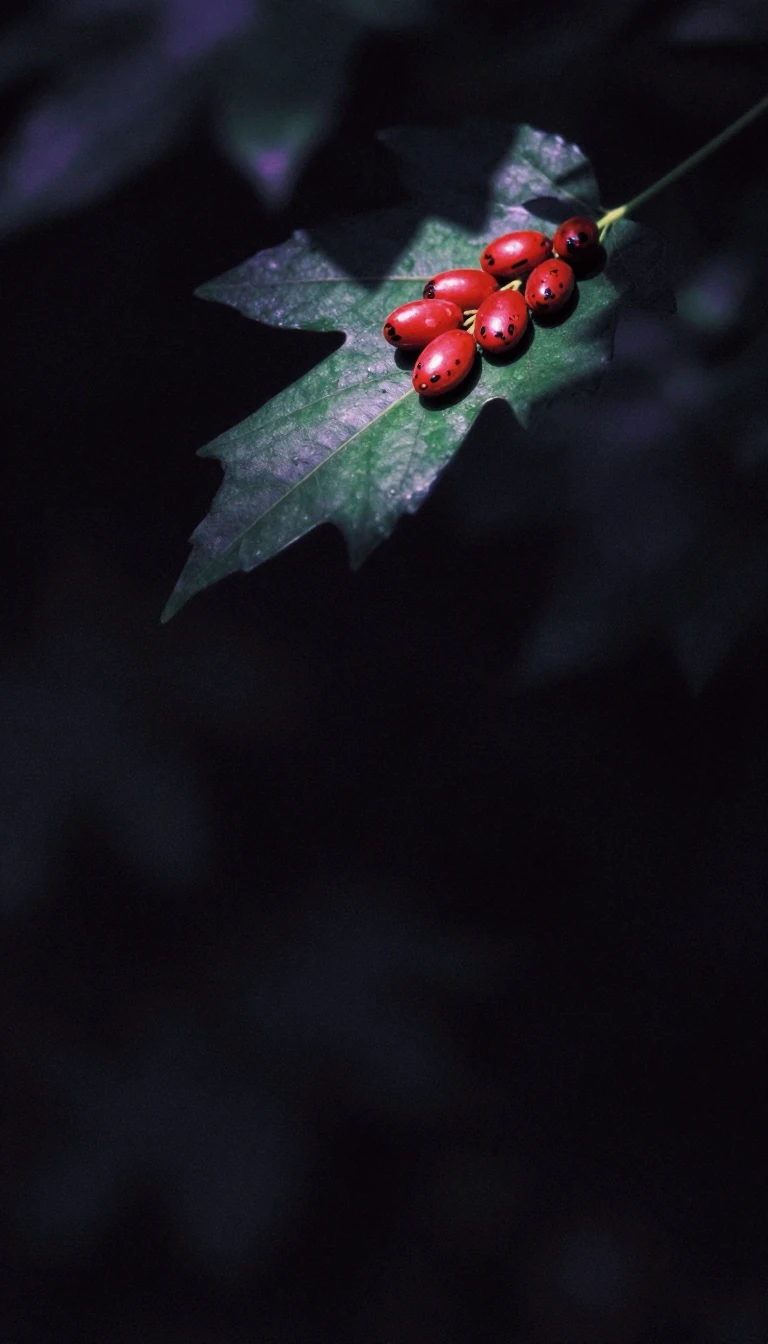
In short: Beyond its historical role in the silk industry, the white mulberry is a botanical speed demon. Its stamens function as biological catapults, releasing pollen in a mere 25 microseconds. This explosive mechanism propels particles at 380 miles per hour, marking the fastest known movement in the entire plant kingdom.
Native to China and India, Morus alba has been cultivated for over 4,700 years, primarily to feed silkworms. Its influence spans continents and centuries, from the silk robes worn by Emperor Elagabalus in 220 AD to its introduction into Europe during the twelfth century. Today, the species is naturalized across the globe, thriving in diverse environments ranging from tropical regions to subarctic zones, and capable of growing at elevations up to 4,000 metres.
The tree is remarkably versatile, serving as a source of timber, paper fiber, and fodder for livestock, which may benefit from the leaves' potential to reduce methane emissions. While the fruits are edible and culturally significant—often processed into syrups like Azerbaijan's doshab—the tree's rapid expansion in North America has sparked ecological concern. It hybridizes readily with the native red mulberry, threatening the genetic viability of the local species. In urban settings, it is often prized for shade, though its high-velocity pollen release has been linked to increased hay fever.
Despite its utility, the white mulberry is not without controversy. While generally considered safe, the ingestion of leaf extracts as a dietary supplement has been debated following a 2021 coroner's report that attributed a death to adverse effects from the plant. Many experts have challenged this conclusion, pointing to numerous safety studies that suggest no significant toxicity. Whether viewed as an industrial workhorse, an ornamental shade tree, or a botanical marvel, the white mulberry remains a complex fixture of human history and natural landscapes.
Opens the Intellect+ feed with this card first. Swipe up for the next one.
Sources
- Summary by Intellect · source: Morus alba
- Also: iNaturalist — white mulberry (Morus alba) · CC BY-SA 4.0 (Wikipedia summary)
To cite this card, link to https://intellectplus.co.uk/app/nature-morus-alba.
How we source, check and correct cards: Editorial standards.
General information, not professional advice. Spotted an error? Flag the card or see corrections and complaints.
Intellect Plus is a visual educational discovery platform for exploring fascinating facts and ideas. Brain Food, Not Brain Rot. What is Intellect Plus?
Related
More in Organisms · More in Nature · Latest · A–Z · All topics
